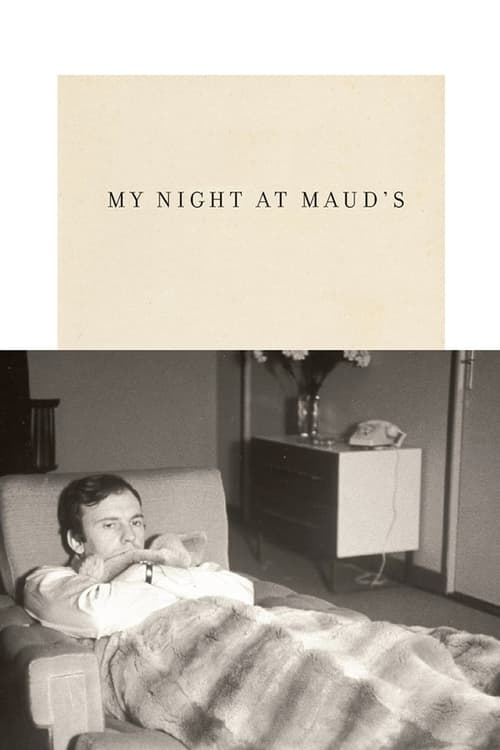
My Night at Maud's
1969
No user ratings available yet
Representation score: 2.8 out of 10

Representation Score
Good
1978
RDirector
Bertrand Blier
Runtime
108 minutes
Average Rating
No ratings yetNew Showbiz Analysis
Bertrand Blier’s film is a provocative deconstruction of the bourgeois social contract. It dismantles traditional domestic roles and challenges the stability of Western social institutions through a postmodernist lens. However, the film lacks demographic breadth, focusing on a homogeneous white social group and failing to provide meaningful representation for LGBTQ+ or diverse ethnic identities. Ultimately, the work prioritizes intellectual disruption over demographic inclusivity, using psychological distress and unconventional desire to expose the emptiness of modern existence rather than fostering empathetic representation.
Category Breakdown
The film does not focus on queer identities or non-traditional gender expressions. Instead, it explores unconventional sexual dynamics through a nihilistic lens, avoiding celebration of queer identity.
The film subverts traditional gender hierarchies by depicting marriage as absurd. Raoul's struggle to manage his wife's emotions challenges traditional masculinity, while Solange's actions defy submissive femininity.
The cast is predominantly white and upper-middle-class. The narrative centers on a homogeneous French social group, reflecting the socio-economic context of the time.
The film critiques Western bourgeois institutions by emphasizing moral relativism over traditional morality. It portrays social decorum and family rituals as hollow or performative.
Solange's depression functions mainly as a plot catalyst rather than a nuanced exploration of mental health. The portrayal risks using her psychological state as a mere narrative device.
Present on Screen
Limited or Absent
Official Synopsis
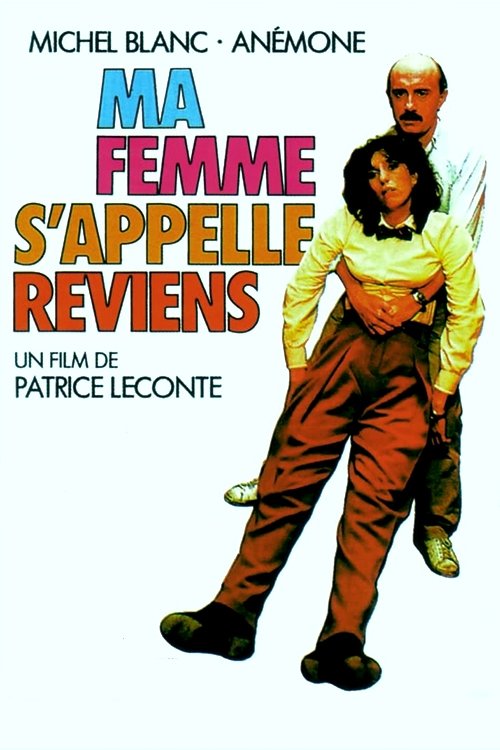
Solange is seriously depressed, and her kindhearted husband, Raoul, makes it his mission to cure her doldrums. After many failed attempts to cheer her up, Raoul hits upon a possible solution: find his wife a lover. Unfortunately, his choice, Stéphane, proves to be just as ineffectual in restoring her flagging spirits. In the end, the gorgeous Solange finds her own, highly problematic tonic to her troubles in the form of a 13-year-old boy.
1969

1970
1972

1971
1972

1988
1984
1982
No reviews yet. Be the first to share your thoughts on this movie!
Use the rating form above to leave a star rating and optional review.