
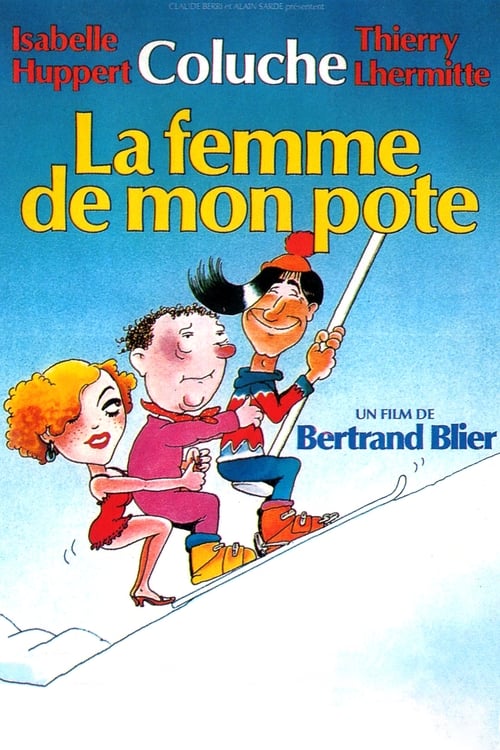
The Seducers of Saint-Tropez
1983
No user ratings available yet
Representation score: 3.2 out of 10
Representation Score
Fair
1983
Director
Bertrand Blier
Runtime
99 minutes
Average Rating
No ratings yetNew Showbiz Analysis
Bertrand Blier’s film explores human impulses and succeeds in subverting traditional gender roles. By giving women autonomy and ability to act, the film moves beyond simple romantic clichés to delve into complex emotional landscapes. However, the film is limited by its narrow social scope. It operates within a primarily white European setting that lacks racial diversity and fails to include LGBTQ+ perspectives, keeping the narrative within a traditional framework. Ultimately, the film’s strength lies in its postmodern approach to morality. It challenges Western social structures by treating desire and infidelity as facets of human complexity rather than moral failings.
Category Breakdown
The story focuses on heterosexual relationships and male friendships. It doesn't include explicit LGBTQ+ characters or a direct critique of the assumption that everyone is straight or cisgender, sticking to conventional romantic themes.
Female characters play a significant role in driving the story in their sexual and emotional lives. They avoid being passive objects and navigate their own autonomy, complicating the lives of the men around them.
The film is set in a primarily white European environment. It lacks diverse ethnic representation or engagement with racial diversity.
The narrative embraces moral relativism and situational ethics regarding infidelity. It deconstructs traditional social contracts like monogamy, framing human impulses as complex, natural conditions.
There is no significant portrayal of physical or neurodivergent disabilities within the narrative.
Present on Screen
Limited or Absent
Official Synopsis
The charming Pascal, owner of a clothing store in Courchevel, and the chubby and scruffy Micky, disc jockey in a nearby club, are best of friends. Pascal accumulates women, much to the chagrin of Micky, who is consoled of his failures by listening to his friend talk about his successes. Viviane arises, ravishing and icy, but she's seasonal. Pascal, sincerely in love, seduces her and then leaves. This is a dire situation for Micky: Pascal is far away and the beauty is so kind to him. Complications arise once Pascal returns.
1983

1978

1971
1987

1957

2008

1983
1979
No reviews yet. Be the first to share your thoughts on this movie!
Use the rating form above to leave a star rating and optional review.