
Dirty Like an Angel
1991
No user ratings available yet
Representation score: 5.4 out of 10
Representation Score
Fair
1981
PG-13Director
Bertrand Blier
Runtime
123 minutes
Average Rating
No ratings yetNew Showbiz Analysis
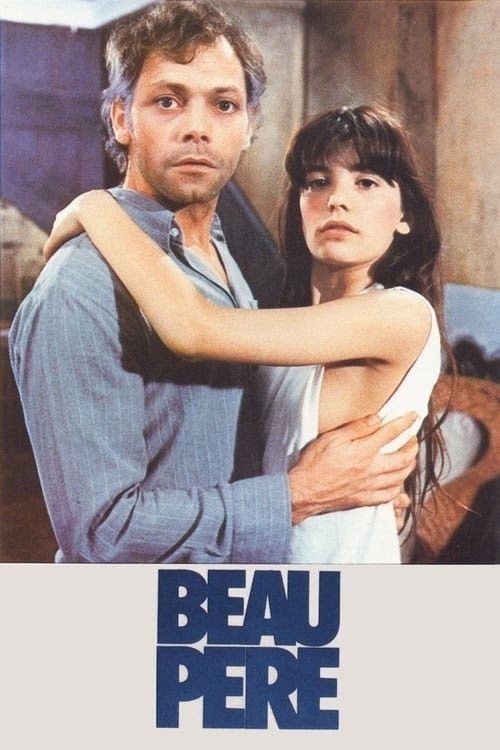
Beau Pere is a thought-provoking deconstruction of the nuclear family that successfully challenges traditional gender hierarchies. By focusing on Marion's ability to act, the film shifts away from the cliché of the stable male provider and instead explores an unconventional domestic hierarchy. While the film is intellectually ambitious in its critique of social norms and situational ethics, it remains limited in its demographic scope. The focus on a homogeneous, middle-class setting restricts the film's engagement with racial and ethnic diversity. Ultimately, the film is a study of moral relativism. It effectively challenges the stability of traditional domestic institutions, even as it lacks explicit representation of LGBTQ+ identities or diverse racial backgrounds.
Category Breakdown
The film replaces typical parental bonds with a non-traditional domestic setup, challenging conventional family structures. However, it does not include explicit queer identities or characters who don't identify as cisgender.
Marion plays a central role in driving the film's power dynamics, taking control and influencing the plot significantly. The story overturns traditional patriarchal structures by showcasing the male protagonist yielding to her influence.
The narrative centers on a homogeneous, middle-class urban population. There is no indication of ethnic diversity or intentional racial variety within the main storyline.
The film questions the strictness of Western social institutions by emphasizing individual desires over institutional norms. It portrays traditional parental duties as flexible and driven by personal choice.
There are no prominent depictions of visible or invisible disabilities that serve as central narrative drivers in this work.
Present on Screen
Limited or Absent
Official Synopsis
Rémi is a man trapped in a deteriorating marriage. When his wife is unexpectedly killed in a car accident, Rémi is left with his stepdaughter, Marion, who chooses to stay with him rather than live with her birth father. After the initial shock passes, Rémi is caught off-guard when Marion begins expressing her attraction to him. Initially repulsed, Marion's mature beauty wears him down as he finally caves to her seductions.
1991
1989

1976
1989
1977
1997

1983
1983
No reviews yet. Be the first to share your thoughts on this movie!
Use the rating form above to leave a star rating and optional review.