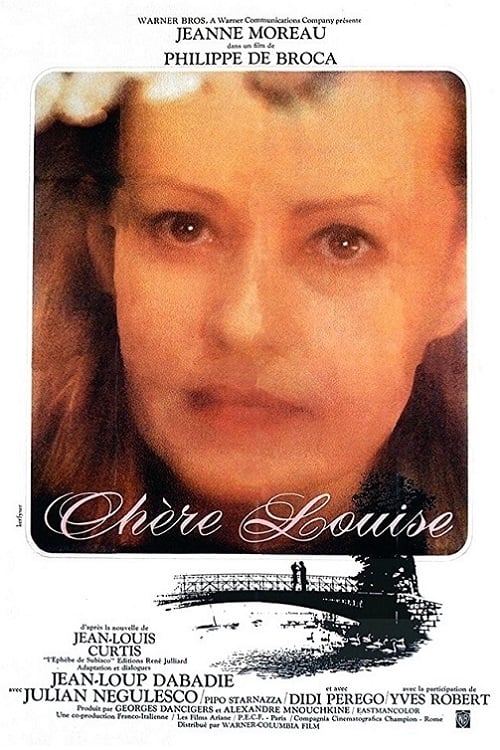
Dear Louise
1972
No user ratings available yet
Representation score: 5.9 out of 10
Representation Score
Limited
1972
Director
Nina Companéez
Runtime
98 minutes
Average Rating
No ratings yetNew Showbiz Analysis
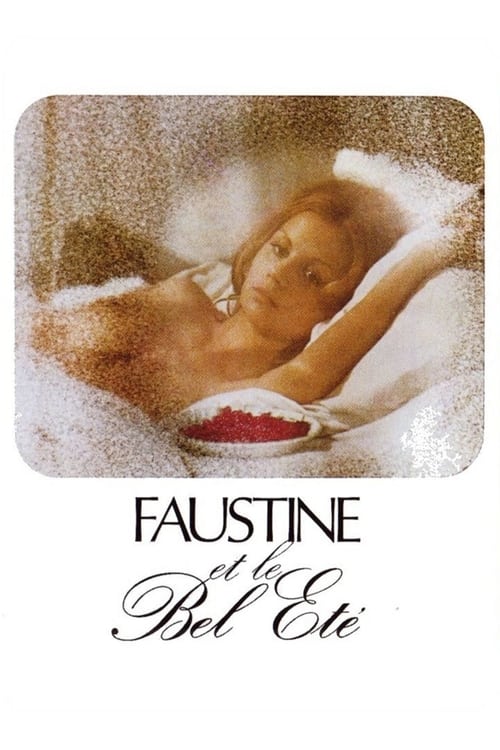
Faustine and the Beautiful Summer is a traditional romantic drama that emphasizes individual emotional growth. While it offers a strong female perspective, it lacks multi-layered complexity. The film operates within the conventional social and romantic structures of 1972, focusing on localized interpersonal dynamics rather than disrupting social hierarchies. Ultimately, it remains a character-driven exploration of first love and family life, offering limited representation of diverse identities or systemic critiques.
Category Breakdown
The story follows a heterosexual relationship between a young woman and an older, divorced man. It does not include any characters with non-traditional gender identities or narratives that question the assumption that everyone is straight.
The film focuses on the female protagonist's emotional journey and her significant role in driving the story. It avoids a purely male-dominated perspective within its romantic storyline.
The narrative adheres to the homogeneous social structures typical of its time and place. There is no indication of a multi-ethnic cast or challenging traditional casting norms.
The film examines domestic complexities such as divorce and remarriage within a multi-generational household. It functions primarily as a character study rather than a challenge to Western social norms.
There is no evidence of characters with physical or neurodivergent disabilities being included or portrayed in the film.
Present on Screen
Limited or Absent
Official Synopsis
Faustine suffers the wounds of first love. During a summer when she is staying with her grandmother, she comes to know the nearby neighbors. Two brothers live in the large house. One is divorced and one has recently remarried, both of them live there with their teenaged and adult children. Though the boys of the household are drawn to Faustine, she grows ever more smitten with the divorced older man...
1972
1967

1968

1978
1983
1958

1990
1975
No reviews yet. Be the first to share your thoughts on this movie!
Use the rating form above to leave a star rating and optional review.