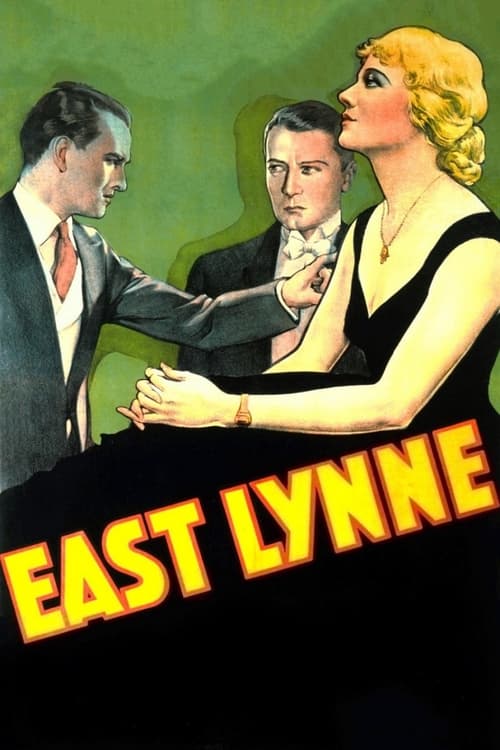
East Lynne
1931
No user ratings available yet
Diversity score: 2.0 out of 10
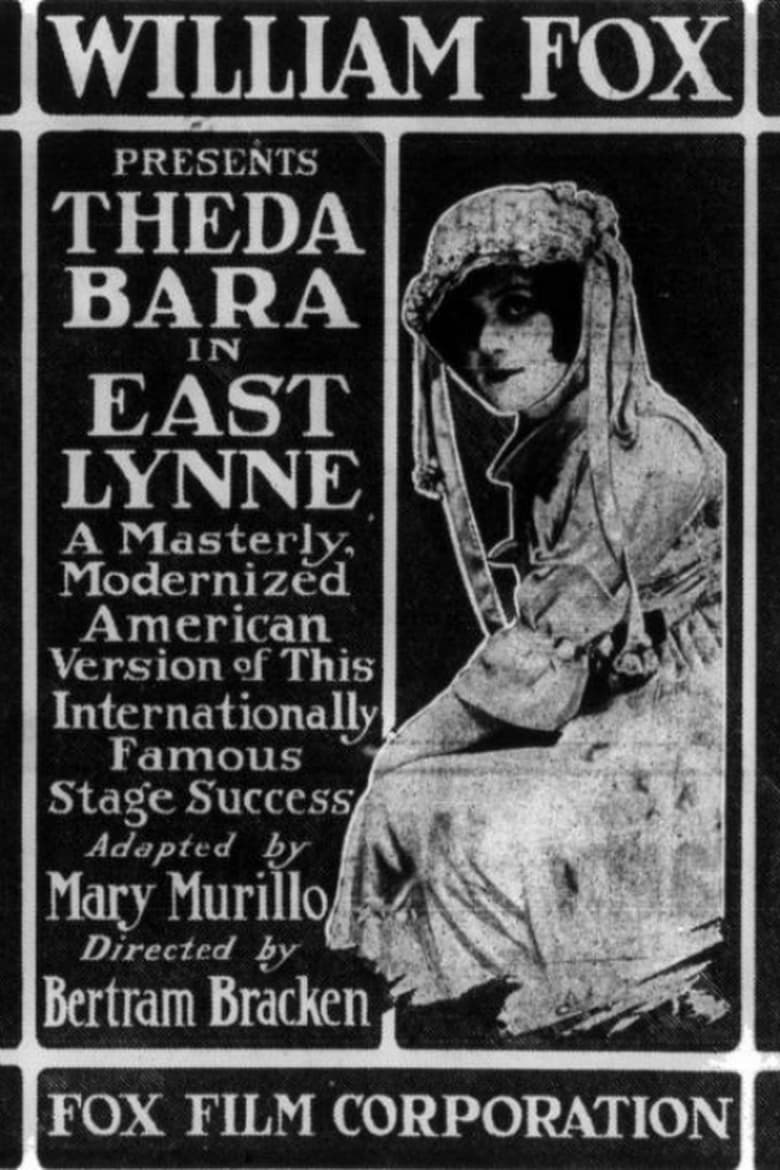
1916
Director
Bertram Bracken
Runtime
74 minutes
Average Rating
No ratings yetSynopsis
An adaptation of the 1861 novel by English author Ellen Wood: The story of long-suffering Lady Isabel Carlisle cast in a modern setting.
Overall Score
Minimal
Category Breakdown
LGBTQ+ Representation
The film lacks any evidence of non-cisnormative identities. The narrative focuses entirely on domestic tribulations within a traditional framework.
Gender Representation
Lady Isabel Carlisle serves as the central figure, yet her character is defined by endurance and domestic struggle. Her agency remains constrained by the rigid social and moral expectations of the era.
Racial & Ethnic Diversity
The production reflects a homogeneous Western social structure typical of 1916. There is no indication of diverse ethnic perspectives or race-bent casting.
Religious & Cultural Diversity
The story is rooted in Victorian-era moralism and the preservation of social reputation. It functions within traditional frameworks of family and social consequence.
Disability Representation
There is no information regarding the depiction of physical disabilities or neurodivergence in this adaptation.
Strengths
Areas for Improvement
AI Analysis
East Lynne is a traditional period drama that reinforces established social and moral hierarchies. It functions as a standard adaptation of late-Victorian melodrama, prioritizing singular moral absolutes over narrative complexity. The film lacks intersectional depth, adhering to the conservative cultural constraints of both its source material and the early 20th-century era. It offers a narrow view of social structures, focusing on domesticity and reputation. Ultimately, the production serves to uphold the demographic and social norms of its time rather than subverting them.
1931
1924
1920
1915

1911

1915
1907
1919

1918
1934
1933
1944
No reviews yet. Be the first to share your thoughts on this movie!
Use the rating form above to leave a star rating and optional review.