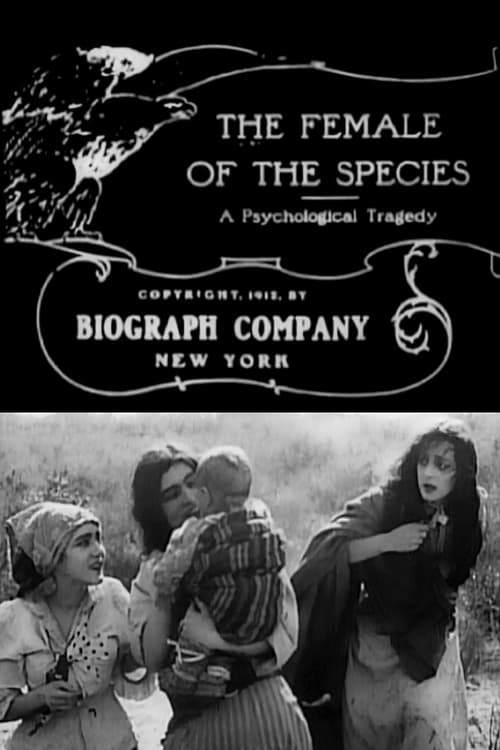
The Female of the Species
1912
No user ratings available yet
Representation score: 0.4 out of 10
No Poster Available
Representation Score
Minimal
1919
PassedDirector
Tom Terriss
Runtime
70 minutes
Average Rating
No ratings yetNew Showbiz Analysis
This film is a classic early 20th-century melodrama that reinforces established social hierarchies. Its narrative structure relies on the cliché of the vengeful patriarch, emphasizing themes of class, jealousy, and control over diverse perspectives. Characters' roles are largely defined by gender and status. Women are often objects of male desire or tools for retribution, while the plot follows a deterministic view of fate and traditional moral structures. Overall, the film lacks complexity in intersecting identities. It serves as a typical example of era-specific storytelling that upholds conventional racial, gender, and social norms.
Category Breakdown
The film focuses solely on heterosexual relationships and does not include any LGBTQ+ identities or critiques of traditional marriage structures.
Women are portrayed as passive figures within a patriarchal society. Marion's story revolves around male jealousy, while Beatrice is used as a tool for her father's revenge.
The story features a homogeneous Western cast of French nobility and Americans. It lacks diverse racial dynamics or perspectives from non-Anglo-Saxon cultures.
The narrative is grounded in conventional Western social values and class-based honor systems. It emphasizes traditional morality and the sanctity of marriage.
There is no indication of characters dealing with physical, neurodivergent, or mental health disabilities as part of their core identity or roles.
Present on Screen
Limited or Absent
Official Synopsis
Henri Durand of the French nobility is insanely jealous of his beautiful American wife Marion's innocent conversations with her many male admirers. Durand provokes her suicide when, egged on by a rejected suitor of Marion's, he accuses her of having illicit relations with her visiting childhood friend, Tom Franklin. Twelve years later, when Tom returns after a long expedition, the vengeful Durand coaches his daughter Beatrice, who resembles Marion, to court Tom.
1912
1957
1906
1938
1925
1934
1911
1932
No reviews yet. Be the first to share your thoughts on this movie!
Use the rating form above to leave a star rating and optional review.