
West of Broadway
1931
No user ratings available yet
Diversity score: 1.8 out of 10
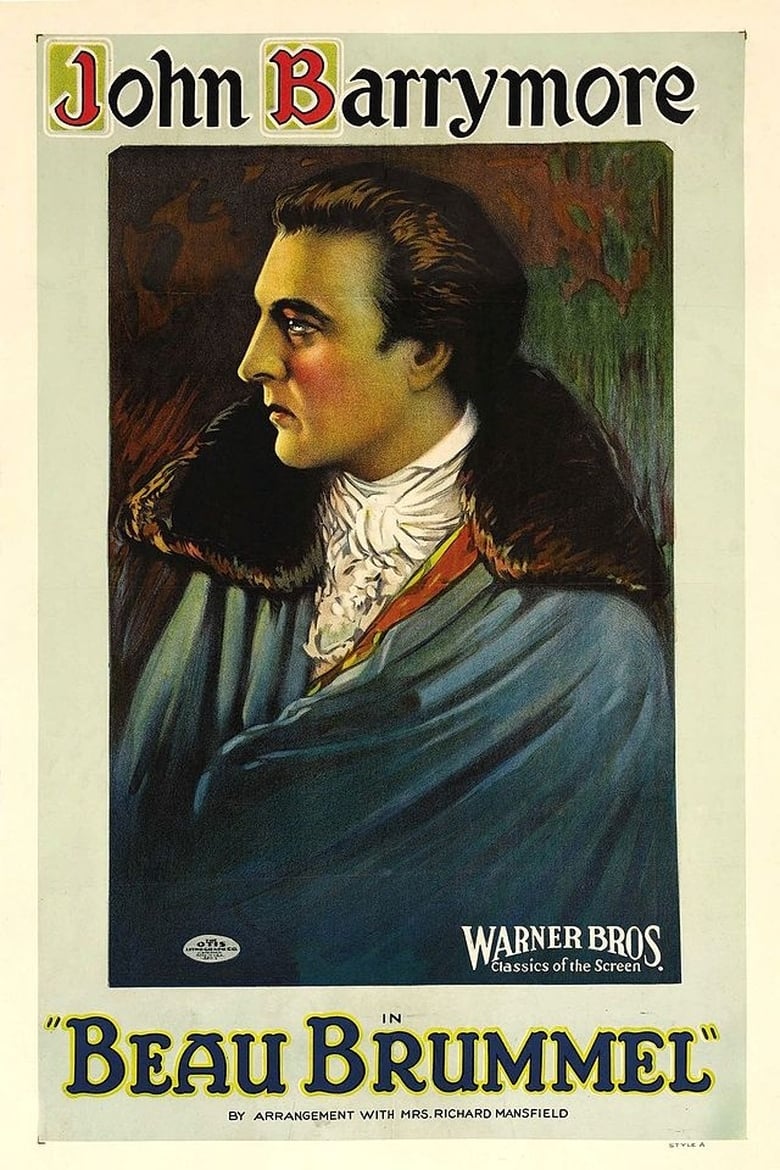
1924
Director
Harry Beaumont
Runtime
127 minutes
Average Rating
No ratings yetSynopsis
George Bryan Brummel, a British military officer, loves Lady Margery, the betrothed of Lord Alvanley. Despite her own desperate love for Brummel, she submits to family pressure and marries Lord Alvanley. Brummel, broken-hearted, embarks upon a life of revelry.
Overall Score
Minimal
Category Breakdown
LGBTQ+ Representation
The film focuses on a traditional romantic triangle. There is no evidence of non-cisnormative identities or same-sex intimacy.
Gender Representation
Gender dynamics follow a traditional lens. While Brummell's aestheticism softens some masculine archetypes, female characters primarily exist through romantic availability and social submission.
Racial & Ethnic Diversity
The cast depicts a homogeneous white, Anglo-Saxon aristocracy. The film does not engage with racial diversity or broader human experiences.
Religious & Cultural Diversity
The narrative reinforces the stability of Western aristocratic institutions. It emphasizes reputation and social standing within a highly structured class system.
Disability Representation
There are no discernible depictions of physical, sensory, or neurodivergent characters. Disability is not utilized as a plot device.
Strengths
Areas for Improvement
AI Analysis
Beau Brummel serves as a quintessential period drama that mirrors the rigid social hierarchies of Regency-era England. The narrative prioritizes classical structures, focusing on class status and conventional romantic arcs rather than social disruption. The film lacks intentional subversion of established norms. It functions as a traditionalist historical portrait, presenting a homogeneous view of the British upper class without the inclusion of marginalized identities.
1931

1933

1944

1935

1937

1934

1932

1934
1934

1932

1924

1925
No reviews yet. Be the first to share your thoughts on this movie!
Use the rating form above to leave a star rating and optional review.