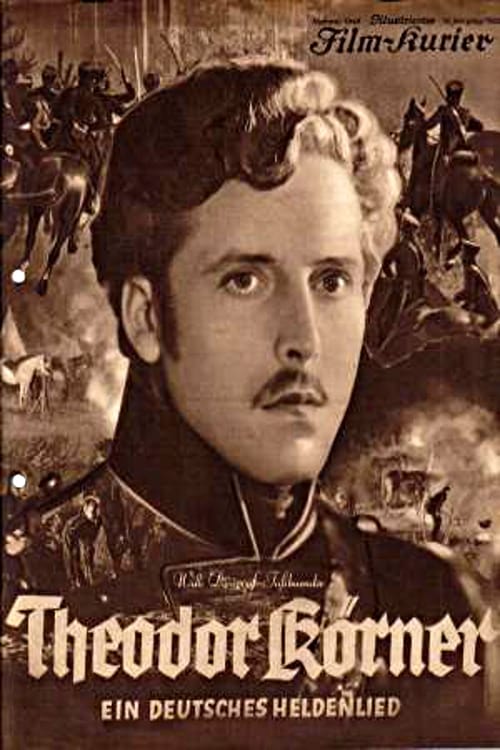
Theodor Körner
1932
No user ratings available yet
Representation score: 0.3 out of 10
Representation Score
Minimal
1934
Director
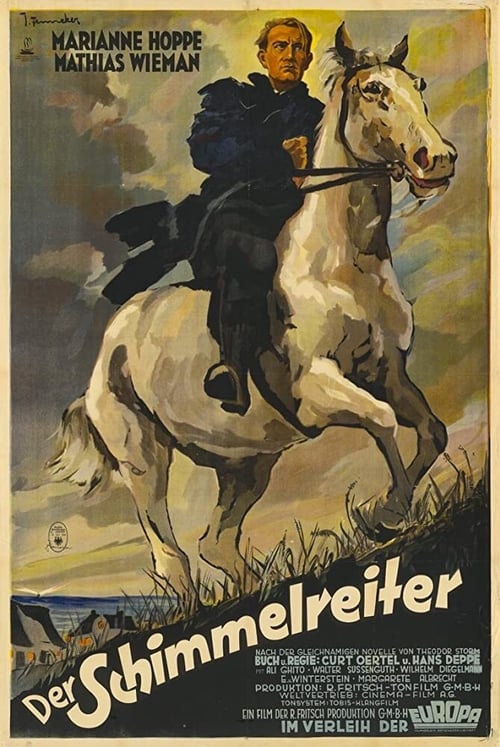
Hans Deppe, Curt Oertel
Runtime
86 minutes
Average Rating
No ratings yetNew Showbiz Analysis
The film operates as a traditional period drama that aligns with the historical and cultural norms of 1930s Germany. It centers on localized folklore and classical storytelling without challenging social hierarchies. As an adaptation of a 19th-century novella, the narrative structure is based on romanticist and folk traditions. This leads to a lack of diverse identities or subversion of societal structures. The production reflects a centralized industry that prioritizes established social structures and a singular moral framework over varied or contemporary representation.
Category Breakdown
The film does not include any characters with non-binary genders or same-sex relationships. It follows the assumption that everyone is straight and cisgender, reflecting the social norms of both the 19th-century setting and the 1930s production era.
The film likely supports traditional gender roles and domestic duties. Despite potentially strong female characters in the source material, the movie adheres to the gender norms of its time.
The cast appears to be made up of people from similar ethnic backgrounds, reflecting the local North German coastal area. There are no indications of actors from different ethnic backgrounds being cast.
The film highlights communal values and local traditions through its literary origins. It upholds the cultural and social norms of its time rather than presenting secular or anti-Western viewpoints.
There is no information confirming the presence of characters with physical disabilities or neurodivergent conditions in this film.
Present on Screen
Limited or Absent
Official Synopsis
Freely adapted from Theodor Storm's novella of the same name.
1932

1924
1934

1924

1937

1944

1938
1944
No reviews yet. Be the first to share your thoughts on this movie!
Use the rating form above to leave a star rating and optional review.