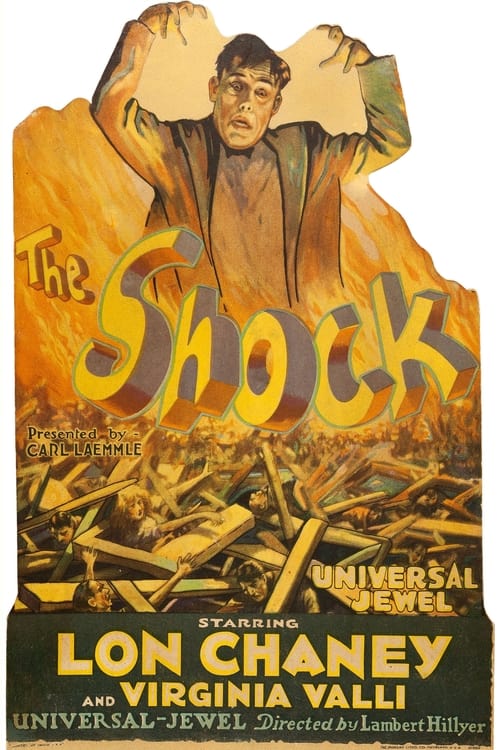
The Shock
1923
No user ratings available yet
Representation score: 2.0 out of 10
Representation Score
Minimal
1920
PassedDirector
Edward José
Runtime
60 minutes
Average Rating
No ratings yetNew Showbiz Analysis
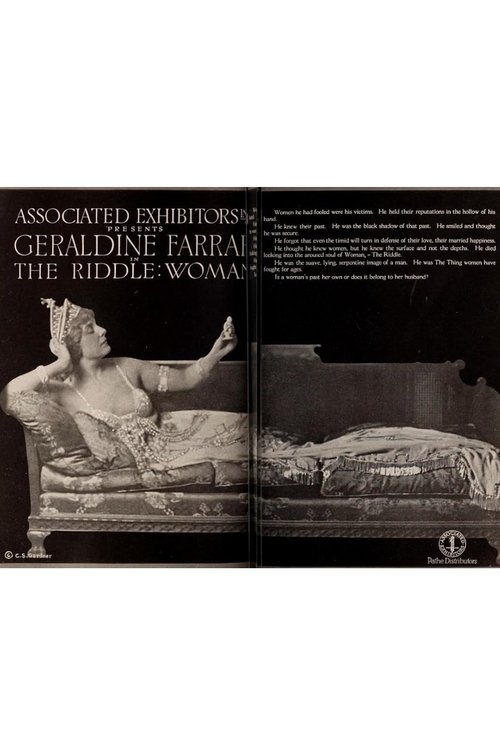
The Riddle: Woman is a traditional silent-era melodrama that adheres to the dramatic conventions of the 1920s. The narrative centers on individual peril and the conflict between Lilla Gravert and a blackmailer, rather than systemic critique. Because the film follows standard melodramatic patterns, it lacks the complexity needed to challenge social hierarchies. The representation is limited by the era's focus on individual victimhood and criminal actions. Ultimately, the film functions as a period drama that reinforces historical hierarchies without providing meaningful multi-layered depth.
Category Breakdown
The film does not include any characters with LGBTQ+ identities. The plot follows a typical protagonist and antagonist setup without addressing assumptions about straight relationships.
Lilla Gravert is the main female character. She appears as a passive figure in a conflict driven by male characters within a classic blackmail scenario.
The story seems centered around Western European social structures. There is no indication of racial diversity or non-white majority casting.
The story operates within traditional early 20th-century moral frameworks. It focuses on individual morality rather than critiquing Western institutions.
There is no information about the inclusion of characters with visible or invisible disabilities.
Present on Screen
Limited or Absent
Official Synopsis
Lilla Gravert falls into the clutches of a master blackmailer, Eric Helsingor.
1923
1920

1918
1922
1923
1924
1912
1920
No reviews yet. Be the first to share your thoughts on this movie!
Use the rating form above to leave a star rating and optional review.