A Mother Should Be Loved
1934
No user ratings available yet
Diversity score: 2.5 out of 10
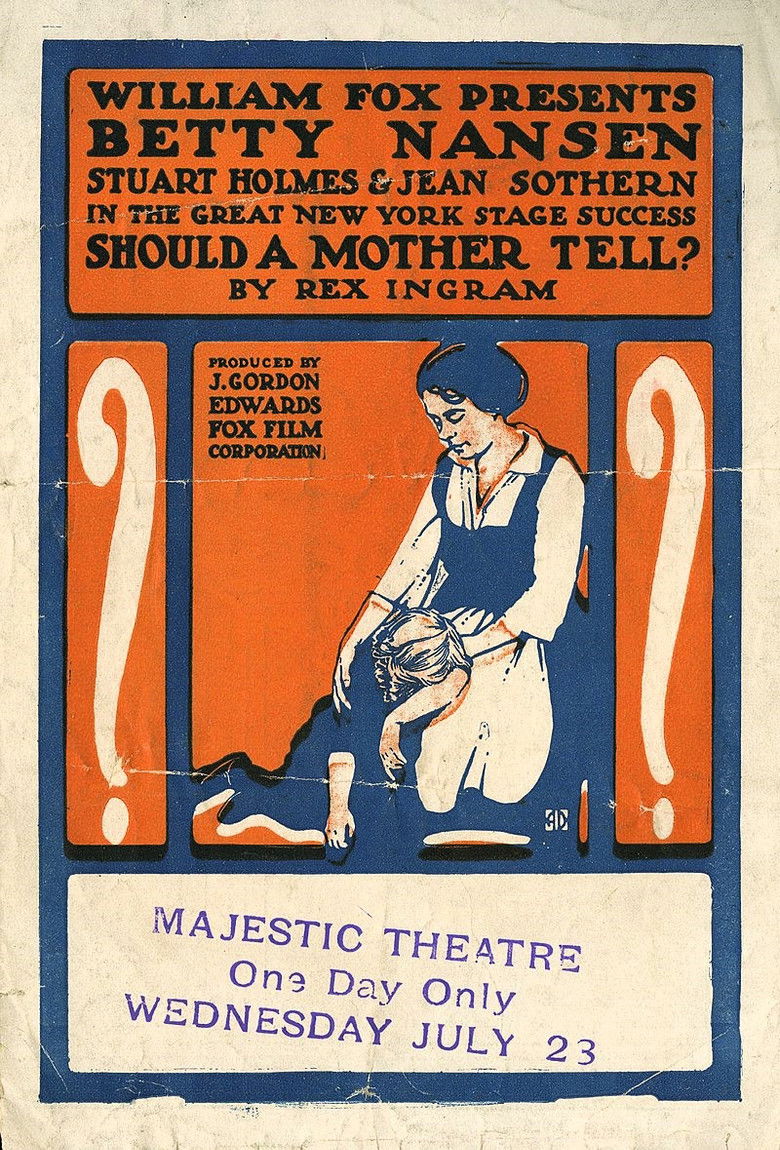
1915
PassedDirector
J. Gordon Edwards
Runtime
50 minutes
Average Rating
No ratings yetSynopsis
Faced with the tragic responsibility of choosing between the happiness of her 16-year-old daughter Pamela or saving the life of an innocent man, Marie Baudin's first impulse is to sacrifice all for her own. But she has second thoughts that bring complications to all.
Overall Score
Minimal
Category Breakdown
LGBTQ+ Representation
The film lacks any evidence of non-heteronormative identities or same-sex intimacy. The story focuses on a traditional mother-daughter relationship.
Gender Representation
Marie Baudin possesses narrative agency through her moral crisis, yet the conflict remains tethered to traditional maternal roles. The plot reinforces societal expectations of female domesticity.
Racial & Ethnic Diversity
The narrative appears to reflect the homogeneous casting norms of 1915. There is no indication of a diverse or non-Anglo-Saxon cast.
Religious & Cultural Diversity
The film aligns with early 20th-century moralistic melodrama. It emphasizes traditional morality and civic duty rather than subversive or secularist themes.
Disability Representation
No characters with visible or invisible disabilities are identified in the narrative.
Strengths
Areas for Improvement
AI Analysis
This silent-era melodrama centers on a domestic moral dilemma involving maternal sacrifice. While the protagonist drives the plot, the film operates within a very narrow social framework. The narrative reinforces established social hierarchies and traditional gender roles rather than challenging them. It lacks the intersectional complexity or representation of marginalized groups found in more progressive works. Ultimately, the film serves as a period-typical reflection of Western dramatic values, focusing on individual morality and the preservation of social order.
1934
1928
1918

1905
1913
1934

2021
1919
1930
1914
1943

1930
No reviews yet. Be the first to share your thoughts on this movie!
Use the rating form above to leave a star rating and optional review.