Lev Tolstoy
1984
No user ratings available yet
Representation score: 2.9 out of 10
Representation Score
Fair
2001
Director
Aleksandr Sokurov
Runtime
104 minutes
Average Rating
No ratings yetNew Showbiz Analysis
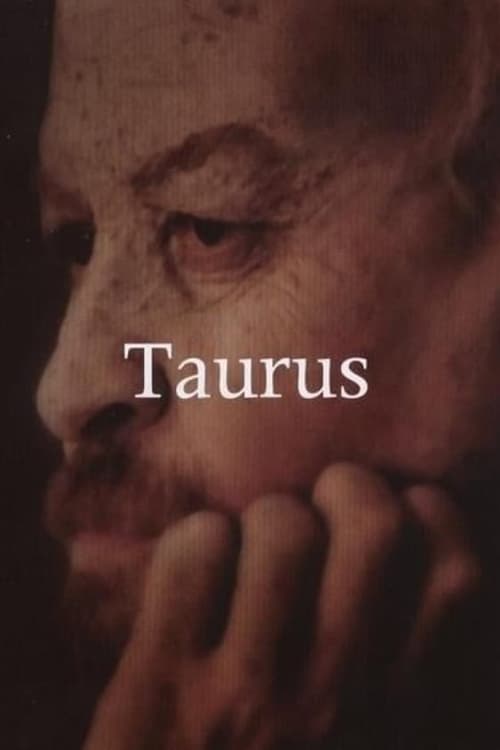
Taurus is a meditative study that prioritizes philosophical deconstruction over demographic inclusion. It functions as a localized historical study rather than a platform for diverse representation, resulting in low scores for LGBTQ+, racial, and gender diversity. However, the film achieves significant progressive value through its cultural critique. By dismantling the 'Great Man' myth and focusing on the entropy of the human condition, it challenges the reverence typically afforded to historical authority and state power. Ultimately, the work prioritizes a deep, existential examination of how institutions and icons inevitably succumb to human frailty.
Category Breakdown
The film does not include explicit representations of LGBTQ+ identities or narratives. The story focuses solely on the immediate domestic and medical environment surrounding the main character.
The narrative emphasizes the male experience of physical decline and intellectual isolation. Nadezhda Krupskaia's role as a caregiver aligns with traditional domestic expectations.
The cast is predominantly uniform, reflecting the specific historical and geographic context of the early Soviet Union. There is no indication of intentional multicultural casting.
Sokurov skillfully dismantles institutional power structures. By depicting a revolutionary figure as a decaying, powerless individual, the film undermines the reverence typically associated with political icons.
The film offers a profound exploration of physical and cognitive decline without resorting to caricature. It uses the protagonist's vulnerability to explore philosophical questions about existence.
Present on Screen
Limited or Absent
Official Synopsis
Unfolding over two days in 1924, the film depicts the dying Lenin, world revolutionary and father of the USSR, now powerless and isolated at his Gorki estate. Cared for by his wife, Nadezhda Krupskaia, sister Maniasha, his German doctor and several attendants, Lenin raves about his diminishing faculties, discusses the deaths of great figures (including Marx), rides a car to a picnic in a meadow and ponders his historic legacy.
1984
1928
2000
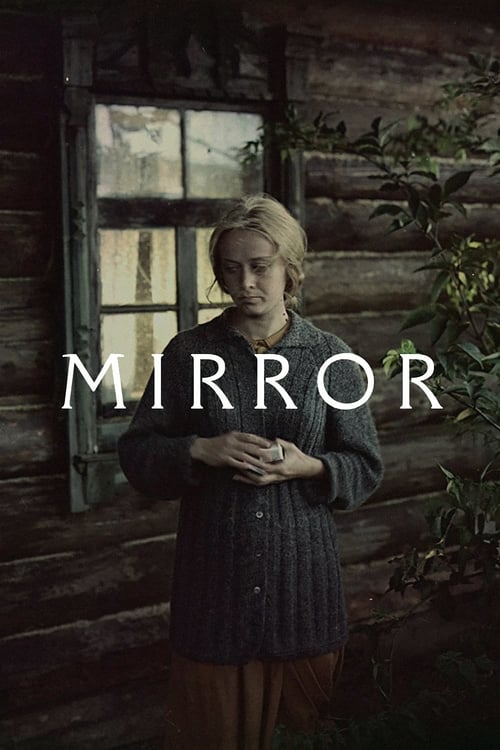
1975
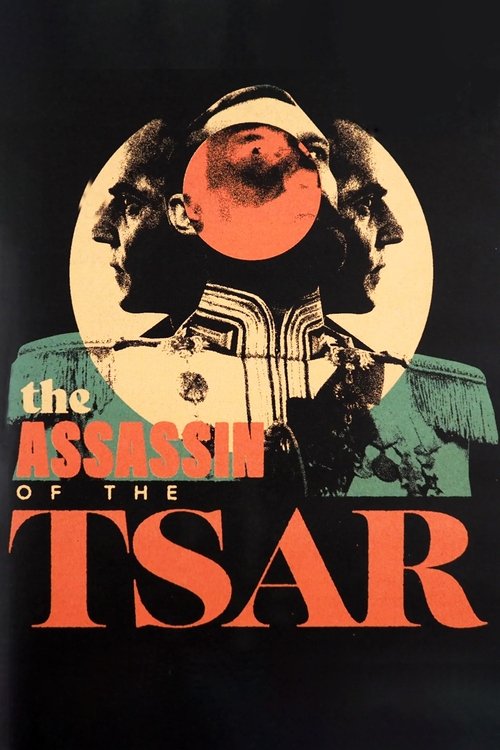
1991
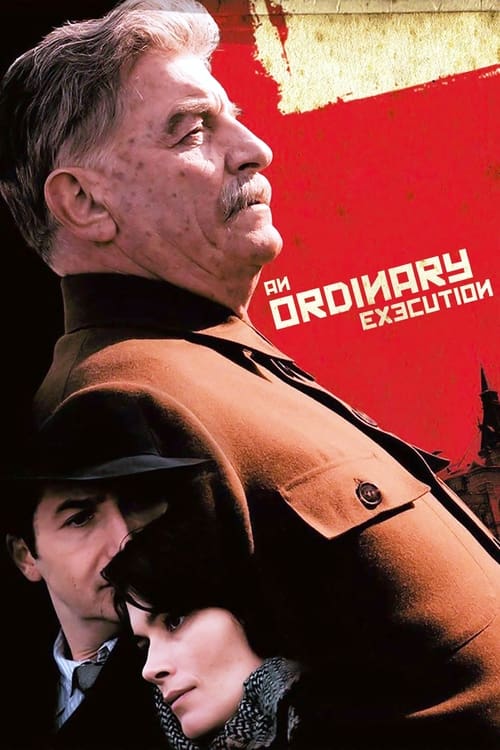
2010
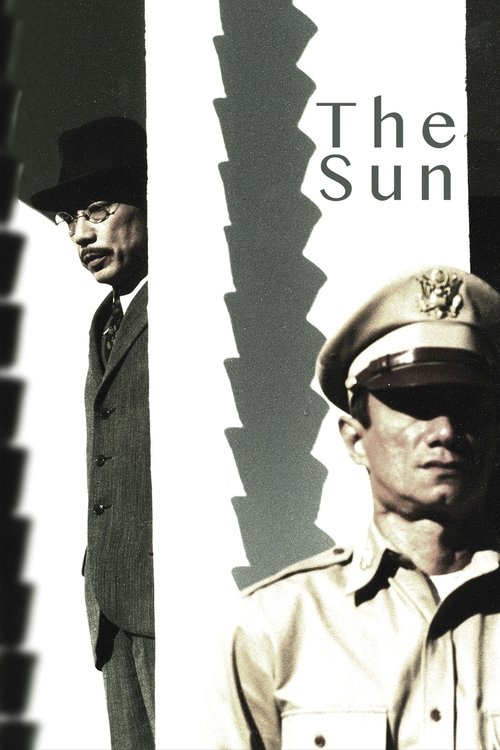
2005
1987
No reviews yet. Be the first to share your thoughts on this movie!
Use the rating form above to leave a star rating and optional review.