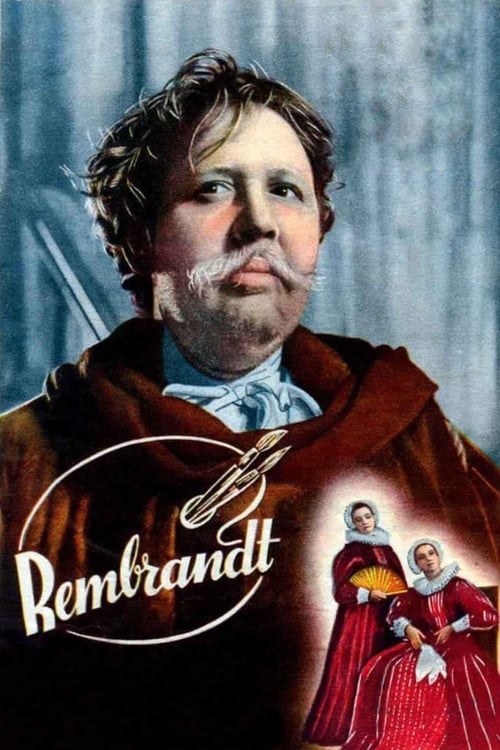
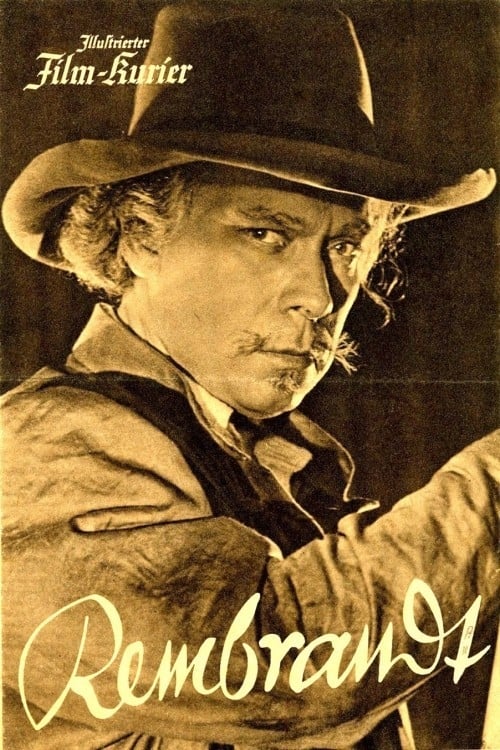
Rembrandt
1936
No user ratings available yet
Representation score: 0.9 out of 10
Representation Score
Fair
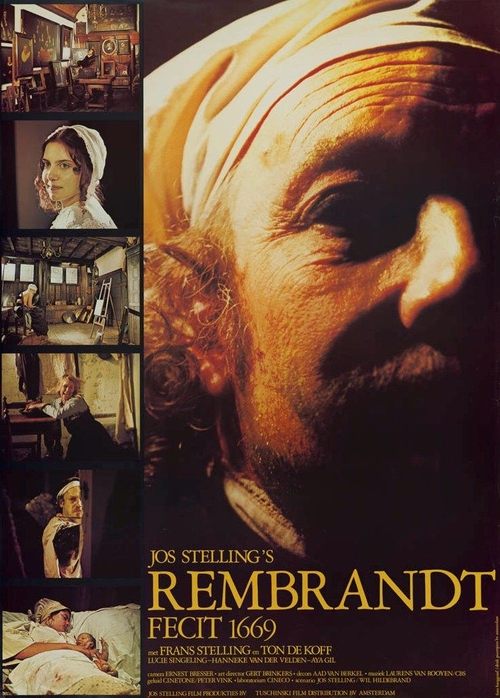
1977
Director
Jos Stelling
Runtime
108 minutes
Average Rating
No ratings yetNew Showbiz Analysis
Jos Stelling’s portrayal of Rembrandt avoids the sanitized, hagiographic approach typical of historical biographies. Instead, it deconstructs the 'great man' mythos by focusing on the intersection of artistic genius and personal dissolution. The film's strength lies in its psychological depth and its refusal to provide a heroic depiction of its subject. It prioritizes sensory and internal experiences over conventional linear storytelling. However, the film is limited by its historical setting and its narrow focus on a singular male experience. It lacks diverse representation and demographic the way different parts of someone's identity overlap.
Category Breakdown
The film focuses on themes of isolation and alienation rather than specific LGBTQ identities. It avoids traditional domestic clichés, emphasizing a dark and lonely psychological state.
The narrative centers on the male experience of aging and professional decline. It challenges traditional masculine leadership by portraying the protagonist in a vulnerable state.
Set in the 17th-century Netherlands, the film reflects the demographic realities of its time. It focuses on a singular European figure without evidence of a diverse cast.
The film challenges Western glorification of icons by prioritizing psychological truth over institutional morality. It embraces a humanist perspective through the lens of subjective experience.
The story engages with the fragility of the human mind and emotional decay. It avoids the invincible genius cliché to explore mental vulnerability and loneliness.
Present on Screen
Limited or Absent
Official Synopsis
In the final year of his life, Rembrandt painted a series of self-portraits that show him in a dark, lonely state of mind. Stelling has painstakingly recreated the pathetic end of a genius with an authenticity that allows viewers to infer their own conclusions about the relationship between Rembrandt's life and art.
1936
1991
1966
1991
1942
1996
1990
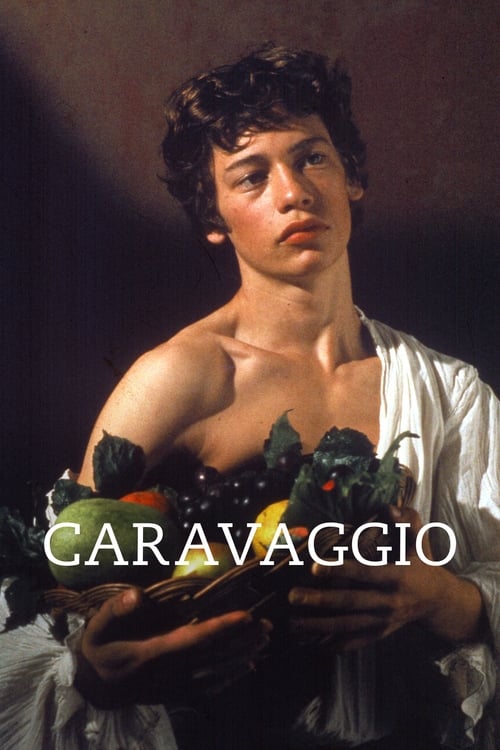
1986
No reviews yet. Be the first to share your thoughts on this movie!
Use the rating form above to leave a star rating and optional review.