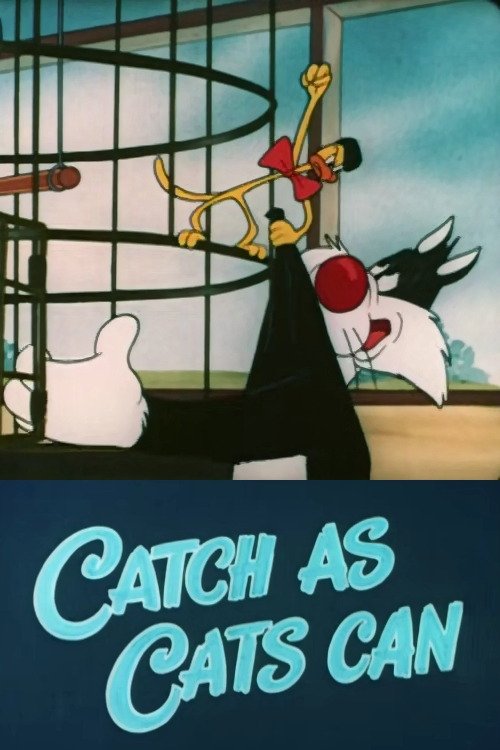
Catch as Cats Can
1947
No user ratings available yet
Representation score: 1.1 out of 10
No Poster Available
Representation Score
Minimal
1932
PassedDirector
Mannie Davis, John Foster
Runtime
7 minutes
Average Rating
No ratings yetNew Showbiz Analysis
This 1932 animation is a brief, gag-driven entry in the Aesop's Sound Fables series. It prioritizes slapstick physical comedy and anthropomorphic animal archetypes over any meaningful social or cultural commentary. The film focuses entirely on the predatory relationship between a Brooklyn cat and a canary, driven by biological instinct and surrealist humor. It lacks the depth needed to explore multi-layered identities. Ultimately, the work is a product of its era, serving as simple entertainment that avoids deconstructing social norms or presenting diverse perspectives.
Category Breakdown
The film depicts a predatory interaction between a cat and a canary. It does not include any LGBTQ+ identities or same-sex relationships.
The story centers around a single male-coded protagonist. There are no female characters, and the film does not challenge traditional gender roles.
The setting suggests an urban Brooklyn context, but the cast is homogeneous. There is no evidence of diverse casting or ethnic representation.
The narrative follows common predator-and-prey clichés typical of early animation. It avoids complex themes related to secularism or critiques of Western institutions.
No characters have visible or invisible disabilities. The canary's presence inside the cat's ribcage serves as a surreal joke rather than a disability depiction.
Present on Screen
Limited or Absent
Official Synopsis
This pre-code entry in Van-Buren's "Aesop's Sound Fables" series finds a Brooklyn-cat in a bowler hat, hanging out in the New Jersey meadow-lands (or somewhere in the wild),who traps a canary and then eats it. Actually, he swallows it and it is flying around in his ribcage. Now, instead of meowing, visual musical notes emerge every time he opens his mouth.
1947
1932

1932

1929
1939
1952
1943
1930
No reviews yet. Be the first to share your thoughts on this movie!
Use the rating form above to leave a star rating and optional review.