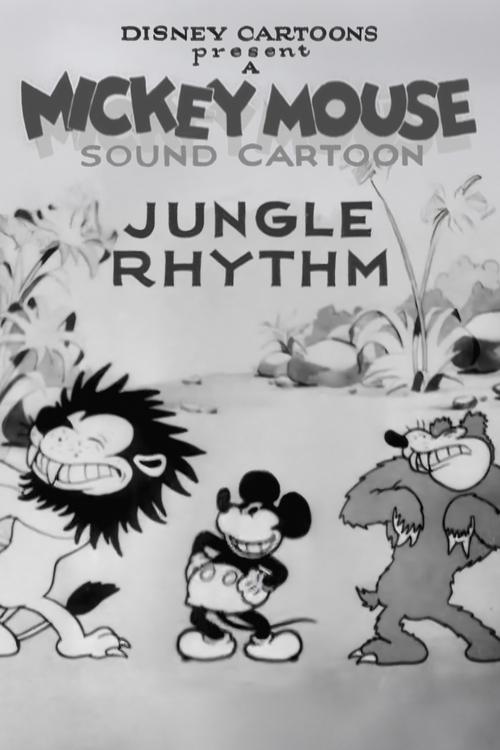
Jungle Rhythm
1929
No user ratings available yet
Representation score: 1.2 out of 10
Representation Score
Minimal
1929
ApprovedDirector
Walt Disney
Runtime
7 minutes
Average Rating
No ratings yetNew Showbiz Analysis
This early Disney short emphasizes rhythmic synchronization and slapstick humor over social commentary. The narrative revolves around a simple, repetitive conflict where mice celebrate when a predator is away. Since the film does not aim to address identity politics or diverse representation, it serves as a traditional piece of media. It reflects the limited scope of character-driven storytelling popular in the late 1920s. The work centers on domesticity and musicality without addressing the breakdown of social hierarchies or offering complex character development.
Category Breakdown
The film focuses entirely on anthropomorphic mice and a feline antagonist. There is no indication of non-traditional gender identities or same-sex relationships.
Mickey and Minnie Mouse set up early gender roles. However, the characters do not have distinct gendered roles and stay within typical early 20th-century character types.
The cast includes anthropomorphic animals in a home setting. It does not show any racial or ethnic diversity, as the characters do not represent human social structures.
The story presents a musical gathering as whimsical comedy rather than a critique of institutions. It does not include elements that question moral absolutes or challenge established norms.
There are no depictions of visible or invisible disabilities. The film does not feature characters dealing with neurodivergence or using ability to act through physical or mental differences.
Present on Screen
Limited or Absent
Official Synopsis
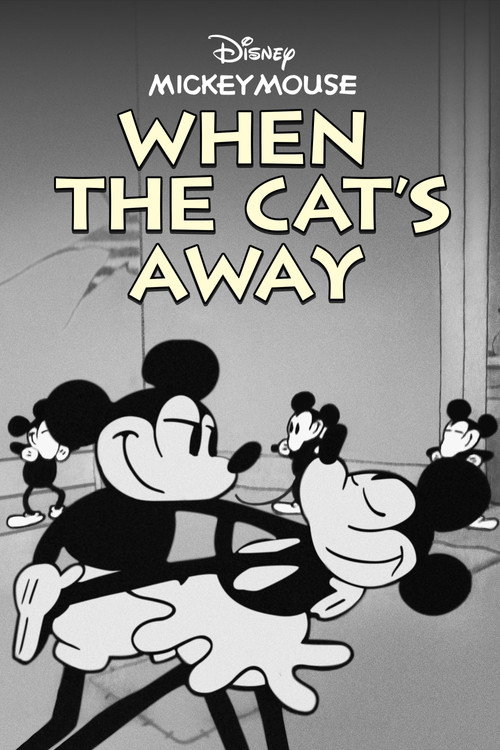
While Tom Cat goes away hunting, Mickey, Minnie, and their mouse friends break into his house and perform music. They play various tunes on the piano while the other mice hit household objects in tune to the music.
1929
1930
1931
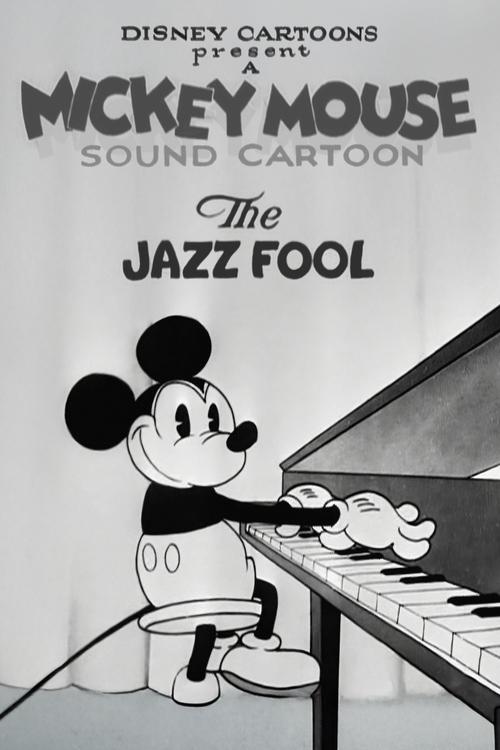
1929
1946
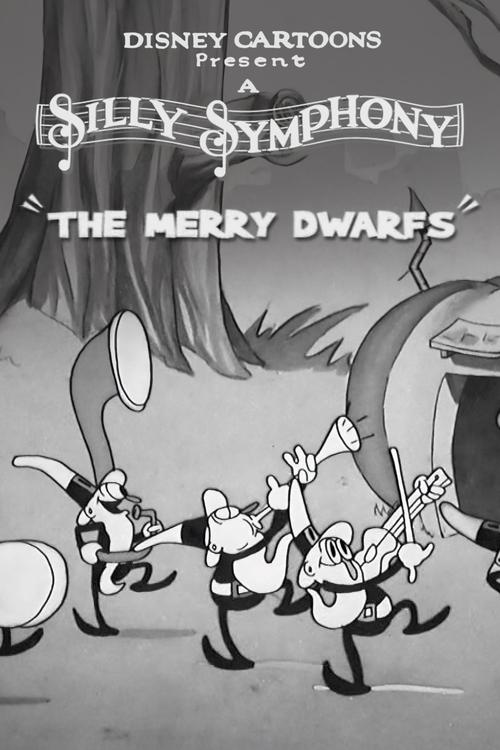
1929
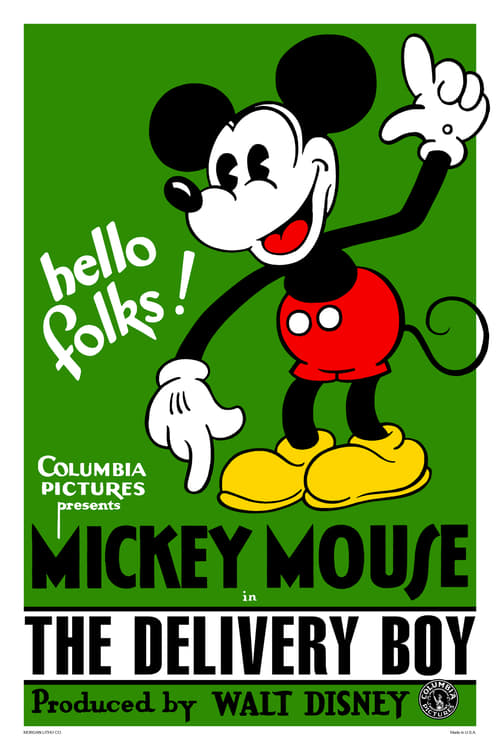
1931
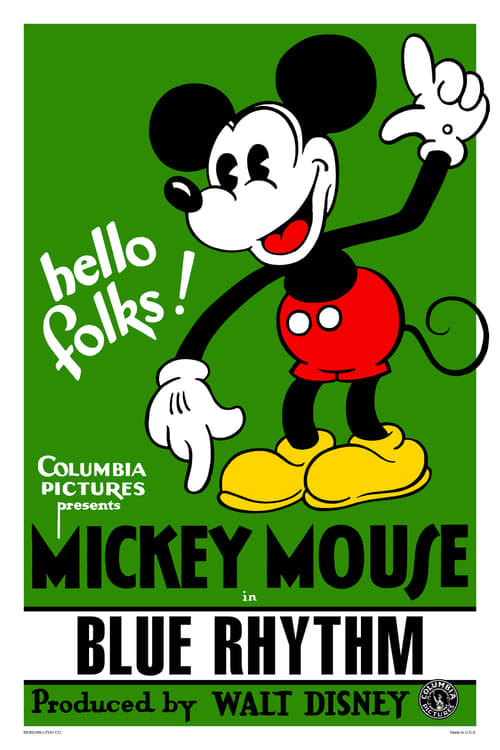
1931
No reviews yet. Be the first to share your thoughts on this movie!
Use the rating form above to leave a star rating and optional review.