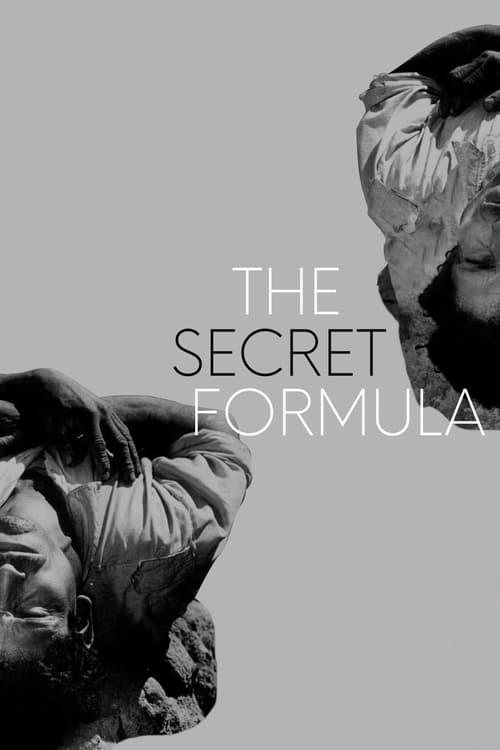
The Secret Formula
1965
No user ratings available yet
Diversity score: 5.7 out of 10
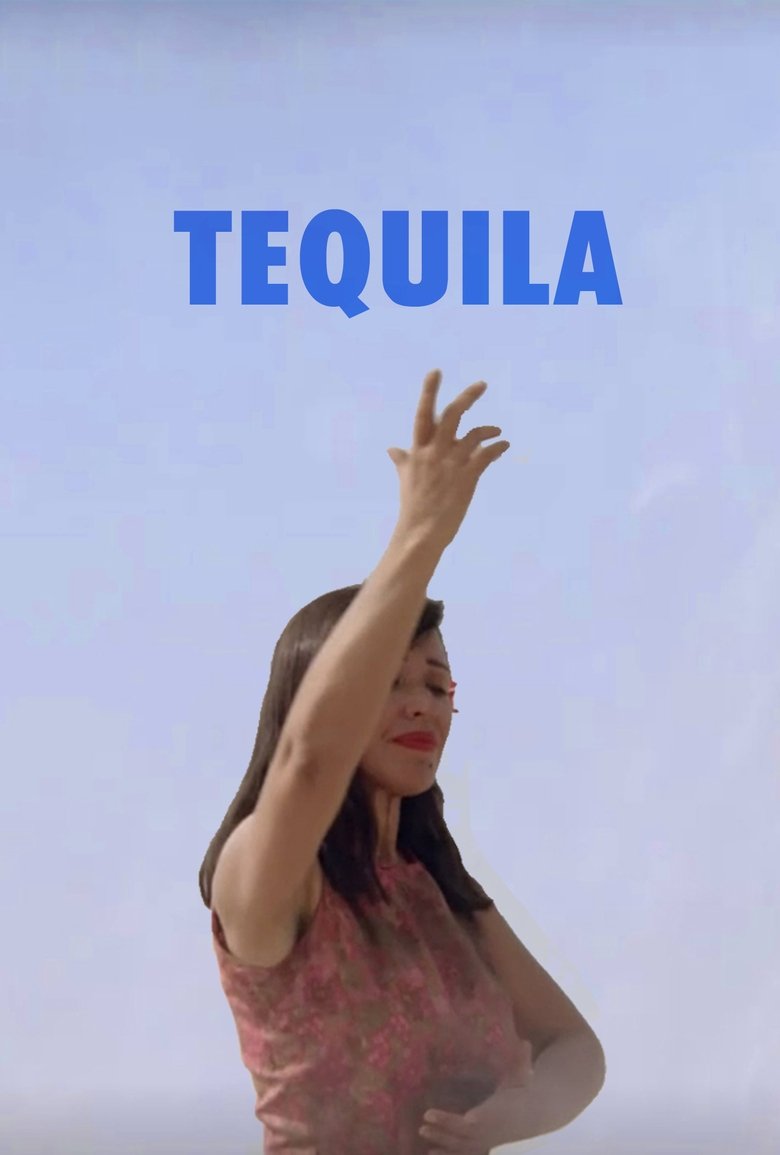
1992
Director
Rubén Gámez
Runtime
85 minutes
Average Rating
No ratings yetSynopsis
Nearly thirty years after making his surrealist La Formula Secreta, director Rubén Gámez returned to filmmaking with this impressionistic portrait of modern-day Mexico. Reminiscent in some ways of Godfrey Reggio’s Koyaanisqatsi, Tequila appears to be a cinematic extension of Mexico’s muralist tradition, a contemporary equivalent of Diego Rivera or David Alfaro Siqueiros with vignettes, quick ideas, visual puns, cartoons, and political statements.
Overall Score
Good
Category Breakdown
LGBTQ+ Representation
The film lacks explicit evidence of LGBTQ+ characters or non-heteronormative identities. Its vignette-based structure focuses on broad social landscapes rather than individual identity-driven arcs.
Gender Representation
Specific character dynamics remain unconfirmed, making a definitive assessment of gendered agency difficult. However, the film's connection to muralist traditions suggests a potential for prioritizing collective social roles.
Racial & Ethnic Diversity
The work centers non-Anglo-Saxon identities and indigenous or mestizo cultural narratives. It uses a vignette style to elevate local ethnic identities and decenter Western-centric perspectives.
Religious & Cultural Diversity
The film offers a complex critique of modern systemic structures through political statements and visual puns. It prioritizes a culturally specific, non-Western aesthetic framework over traditional institutional stability.
Disability Representation
There is no information regarding the portrayal of physical or neurodivergent characters within the available synopsis.
Strengths
Areas for Improvement
AI Analysis
Tequila functions as a cinematic extension of Mexico's muralist tradition, prioritizing political expression and national identity over linear storytelling. By utilizing an impressionistic vignette style, the film successfully centers regional ethnic identities and decenters Western-centric perspectives. While the film excels in cultural and racial representation, it lacks specific data regarding gendered agency or LGBTQ+ identities. The focus remains on systemic social realities rather than individual character-driven narratives. Ultimately, the film's strength lies in its intentionality to disrupt conventional structures in favor of a politically engaged, culturally specific portrait of modern Mexico.
1965
1993
1996

2014
2015

2013
1986

1972
2011
2010

1992
1966
No reviews yet. Be the first to share your thoughts on this movie!
Use the rating form above to leave a star rating and optional review.