
Red Shoes
2022
No user ratings available yet
Representation score: 5.0 out of 10
Representation Score
Fair
2015
PG-13Director
Celso R. García
Runtime
95 minutes
Average Rating
No ratings yetNew Showbiz Analysis
The film excels as a regional cinema piece that emphasizes Mexican identity and the dignity of overlooked workers. It challenges globalized narratives by focusing on localized, non-Western perspectives and the realities of systemic neglect. However, it remains limited by its narrow social scope, relying on traditional gender hierarchies and a male-dominated workspace, which limits representation for women and LGBTQ+ identities.
Category Breakdown
The film focuses on male camaraderie among laborers and does not include any non-binary or LGBTQ+ identities or critiques of the assumption that everyone is straight or cisgender.
The story is dominated by five male characters in a manual labor setting, reinforcing traditional masculine roles without showing any strong female presence or ability to act.
By featuring a Mexican cast and a regional setting, the film challenges Western-centric views and highlights the ability to act of local characters.
The story critiques systemic neglect by highlighting a forgotten road and prioritizing the experiences of the underrepresented working class.
The film does not mention any characters dealing with physical, neurodivergent, or mental health conditions.
Present on Screen
Limited or Absent
Official Synopsis
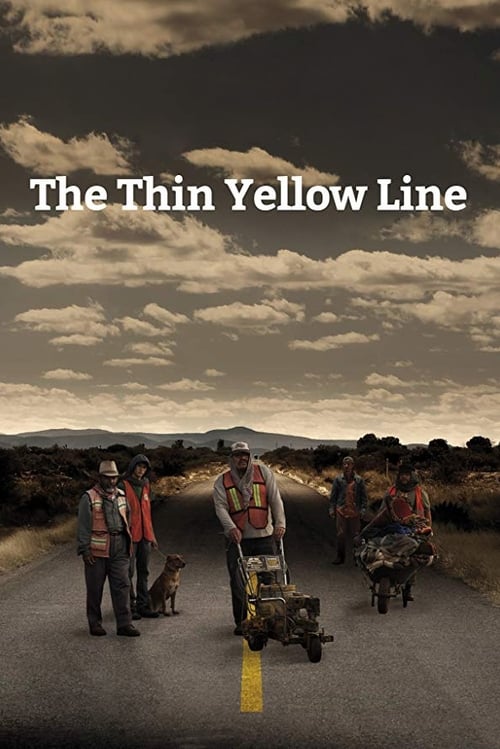
Five men are hired to paint the yellow line the road between two villages in Mexico forgotten. Aboard an old pickup truck, initiated the work of more than two hundred kilometers of asphalt and yellow paint to be completed in less than a fortnight
2022
2015
2021
2005
2021

2005

2017
2008
No reviews yet. Be the first to share your thoughts on this movie!
Use the rating form above to leave a star rating and optional review.