
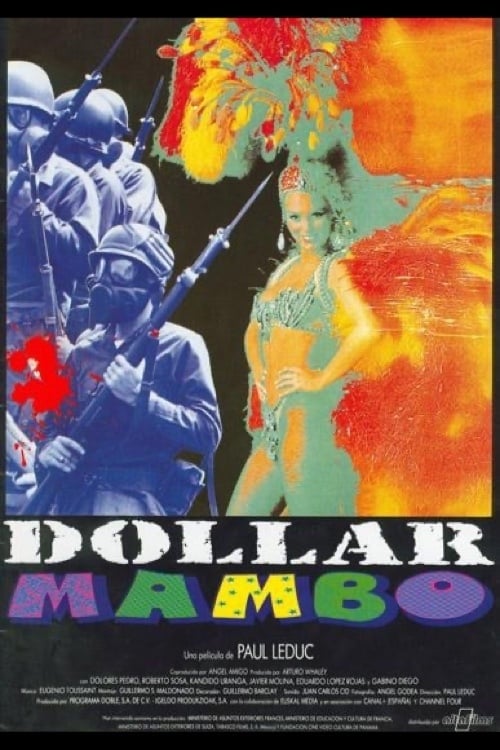
Dark Cities
2002
No user ratings available yet
Diversity score: 6.0 out of 10
1986
Director
Paul Leduc
Runtime
75 minutes
Average Rating
No ratings yetSynopsis
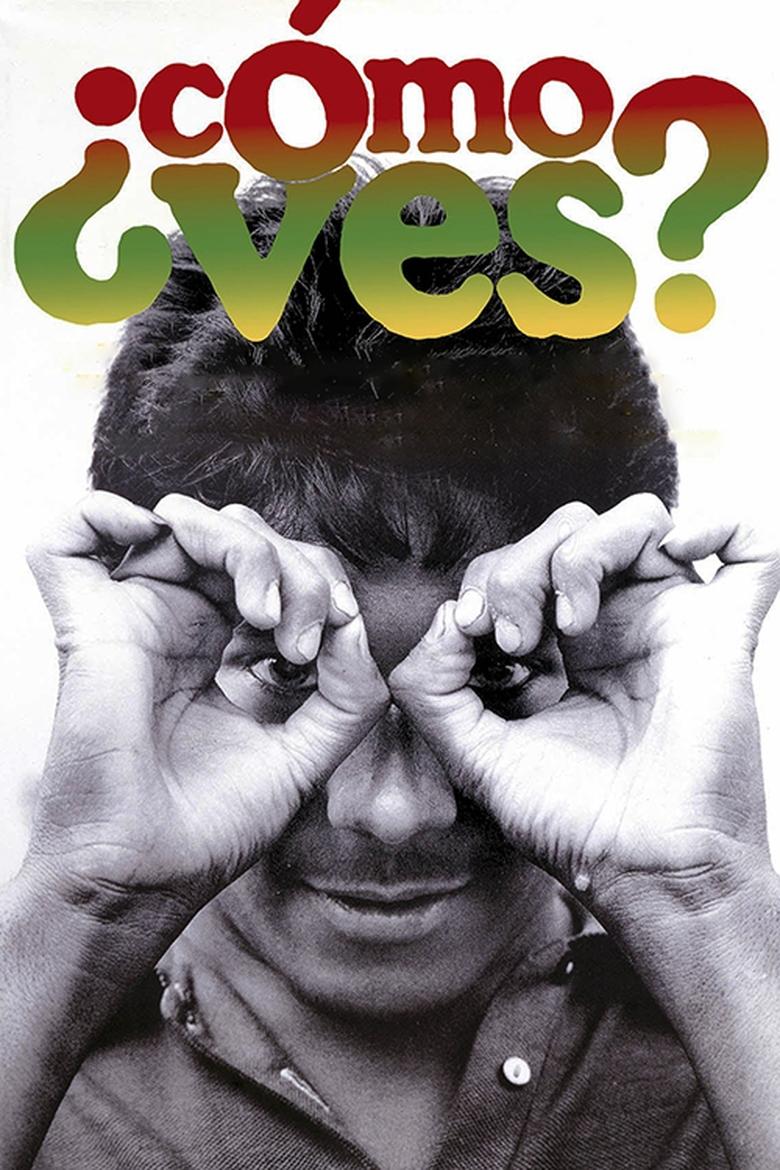
A gritty musical drama about life in the ghettos of Mexico City during the 1980s. With a soundtrack of Mexican rock music, the camera takes the viewer through the streets, to rock concerts, and to the bars and clubs, where he exposes the hunger, repression, unhealthy conditions and violence in the marginal communities of Mexico's capital city.
Overall Score
Fair
Category Breakdown
LGBTQ+ Representation
The film explores underground rock and club subcultures where non-heteronormative social structures likely exist. However, there is no explicit evidence of a central LGBTQ+ narrative arc.
Gender Representation
The narrative likely moves away from traditionalist, submissive female archetypes. Instead, women appear to occupy complex, survivalist roles within the harsh ghetto ecosystem.
Racial & Ethnic Diversity
The film excels by centering a non-Western urban reality. It prioritizes the agency of characters of color, challenging homogeneous, Western-centric perspectives found in mainstream cinema.
Religious & Cultural Diversity
The work critiques systemic oppression and challenges traditional social hierarchies. Using rock music as a signifier, it presents a narrative of rebellion against conventional norms.
Disability Representation
While physical trauma may result from the environment's violence, there is no evidence of neurodivergence or visible disabilities being portrayed with agency.
Strengths
Areas for Improvement
AI Analysis
Paul Leduc’s work serves as a powerful piece of social realism that disrupts mainstream cinematic expectations. By focusing on the marginal communities of Mexico City, the film provides a necessary, non-Western perspective on urban life. The film's primary strength is its ethnic and cultural authenticity. It centers the lived experiences of marginalized populations, using the grit of the 1980s rock scene to challenge institutionalized narratives. However, the film lacks specific, identifiable arcs for LGBTQ+ individuals or characters with disabilities. While the setting implies diverse subcultures, the narrative focus remains on systemic repression and survival rather than specific identity-driven stories.
2002
1980
2001
2015
2019
1995
2016

2023
1987
2017
2017
1969
No reviews yet. Be the first to share your thoughts on this movie!
Use the rating form above to leave a star rating and optional review.