
The Little Comrade
2018
No user ratings available yet
Diversity score: 5.5 out of 10

1985
Director
Leida Laius
Runtime
85 minutes
Average Rating
No ratings yetSynopsis
16-year-old Mari, raised without a mother by a drunkard father, is put in an orphanage which she immediately, though unsuccessfully, tries to flee from. The sensitive Mari finds it hard to adapt to the coarse manners and brutal games amongst the children. Only gradually does she develop a sense for the similarly difficult fates of her fellow sufferers, who have long forgotten how to cry. She even falls in love for the first time, not with her self-appointed “protector” Tauri, but with the rough-mannered Robi.
Overall Score
Fair
Category Breakdown
LGBTQ+ Representation
The narrative centers on heteronormative romantic development between Mari and Robi. There is no visible evidence of queer agency or non-cisnormative identities.
Gender Representation
Mari's journey subverts traditional hierarchies by centering on a female protagonist navigating a world without maternal or patriarchal stability. Her resilience defines her character beyond male authority.
Racial & Ethnic Diversity
The film appears to depict a localized, likely homogeneous social environment. There is no evidence of intersectional racial blending or diverse casting.
Religious & Cultural Diversity
The film offers a progressive critique of social institutions, portraying the orphanage and fractured nuclear families as flawed or oppressive systems.
Disability Representation
The story touches on psychological trauma and emotional desensitization among the children. However, it is unclear if mental health is treated with true agency.
Strengths
Areas for Improvement
AI Analysis
Smile at Last is a social realist drama that finds its strength in deconstructing domestic and institutional stability. By focusing on a female protagonist struggling against a broken system, the film avoids many traditional tropes of patriarchal competence. However, the film lacks breadth in its representation of identity. The narrative remains strictly heteronormative and appears to inhabit a culturally homogeneous setting, offering little room for intersectional or queer perspectives. Ultimately, the film succeeds as a systemic critique of the state and the family, even if it lacks diversity in its cast and romantic themes.
2018
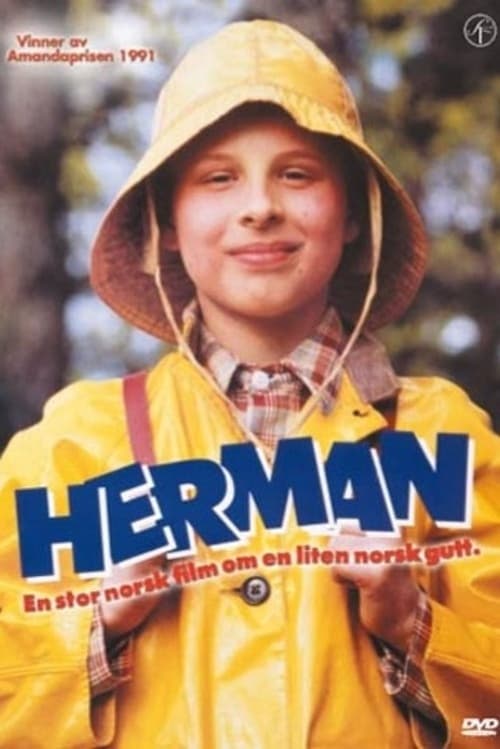
1990
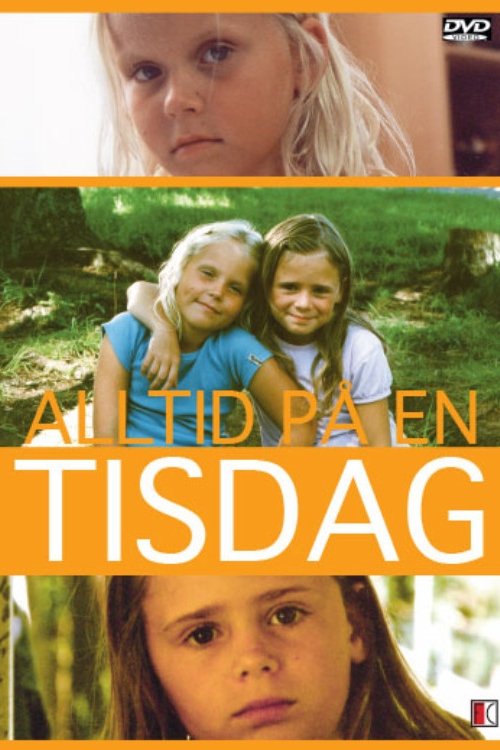
2004

2006

2005
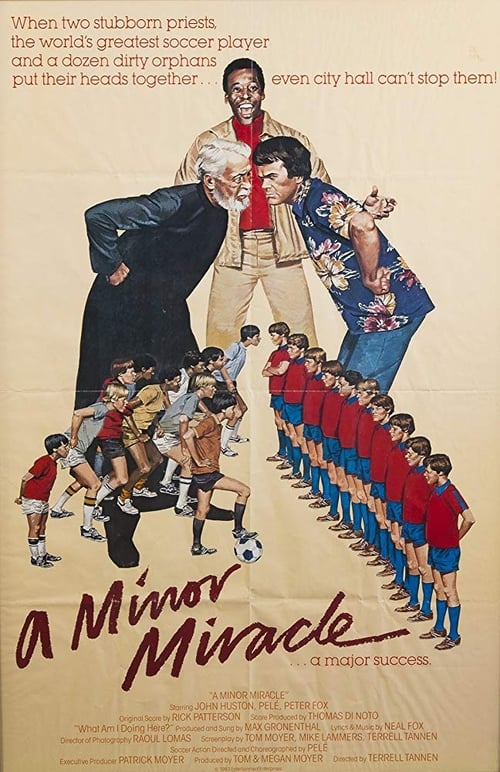
1983
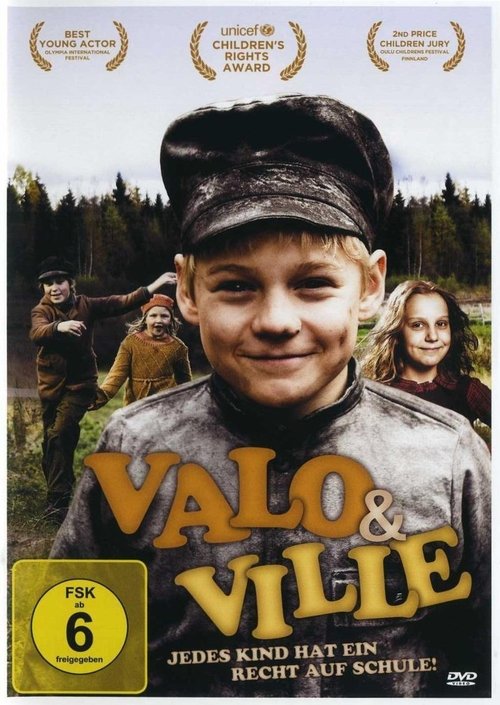
2005

1984

2014
1996
1989
2019
No reviews yet. Be the first to share your thoughts on this movie!
Use the rating form above to leave a star rating and optional review.