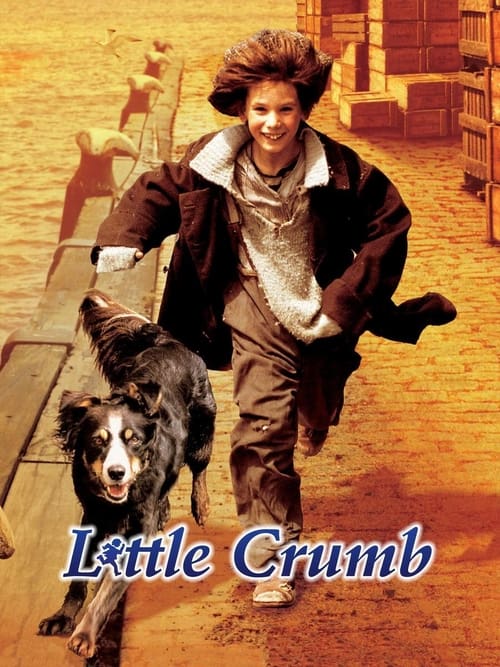
Little Crumb
1999
No user ratings available yet
Representation score: 1.9 out of 10
Representation Score
Fair
1984
TV-14Director
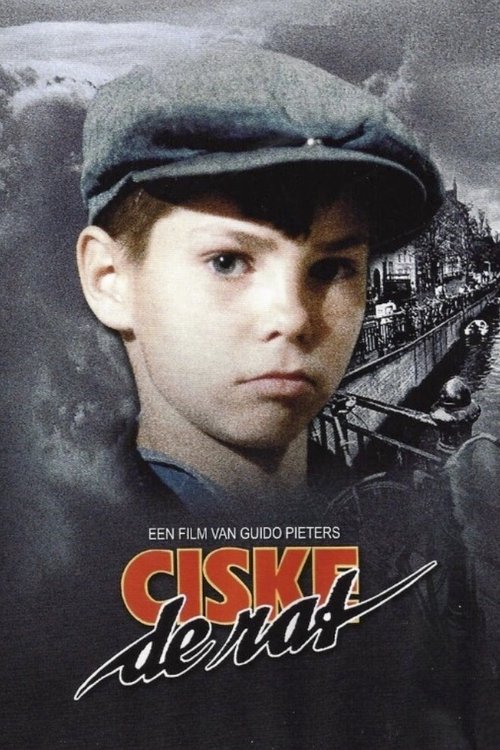
Guido Pieters
Runtime
107 minutes
Average Rating
No ratings yetNew Showbiz Analysis
Ciske de Rat is a gritty study of class struggle and systemic neglect. It finds its strength in deconstructing the domestic ideal, portraying the traditional family unit as a source of instability rather than a refuge. The film lacks modern markers of diversity, particularly around race and LGBTQ+ identities. However, it offers a progressive critique of patriarchal structures and the failure of Western institutional safety nets. Ultimately, the narrative succeeds by framing the protagonist's delinquency as a rational response to a world governed by socioeconomic hardship rather than moral absolutes.
Category Breakdown
The film does not include any LGBTQ+ characters or explore non-straight identities. The story focuses solely on socioeconomic and familial issues within a traditional social structure.
The film challenges traditional masculinity by showing a father figure as a source of domestic terror. It contrasts this with a maternal figure who navigates stigmatized sex work and a stabilizing female teacher.
Set in a specific urban Dutch era, the film reflects a homogeneous demographic. There is no evidence of racial blending or non-white cast members within this localized production.
The story critiques the nuclear family as a source of trauma rather than a sanctuary. It prioritizes gritty, secular realism over religious teachings, focusing on systemic injustice and socioeconomic necessity.
A classmate with polio provides a meaningful depiction of physical disability. This character highlights the protagonist's empathy and illustrates the social pressures and bullying present within rigid social hierarchies.
Present on Screen
Limited or Absent
Official Synopsis
Lovable Amsterdam street urchin, 11 year old Ciske is nevertheless much in need of love as the Dutch 1984 title suggests. He is a scamp with a heart of gold. He causes havoc in the classroom pouring ink over his teacher yet when a polio-crippled boy joins the class Ciske is one of the only children to befriend him and is bullied as a result. His mother works in a bar and Ciske helps out often late into the night - his father is at sea and his mother supplements her income with prostitution. Ciske is also a very angry young man and he smoulders with rage at life's injustices.
1999

1988
1982
1967
2007
1999
2002

1984
No reviews yet. Be the first to share your thoughts on this movie!
Use the rating form above to leave a star rating and optional review.