
We Don't Belong Here
2017
No user ratings available yet
Diversity score: 4.8 out of 10
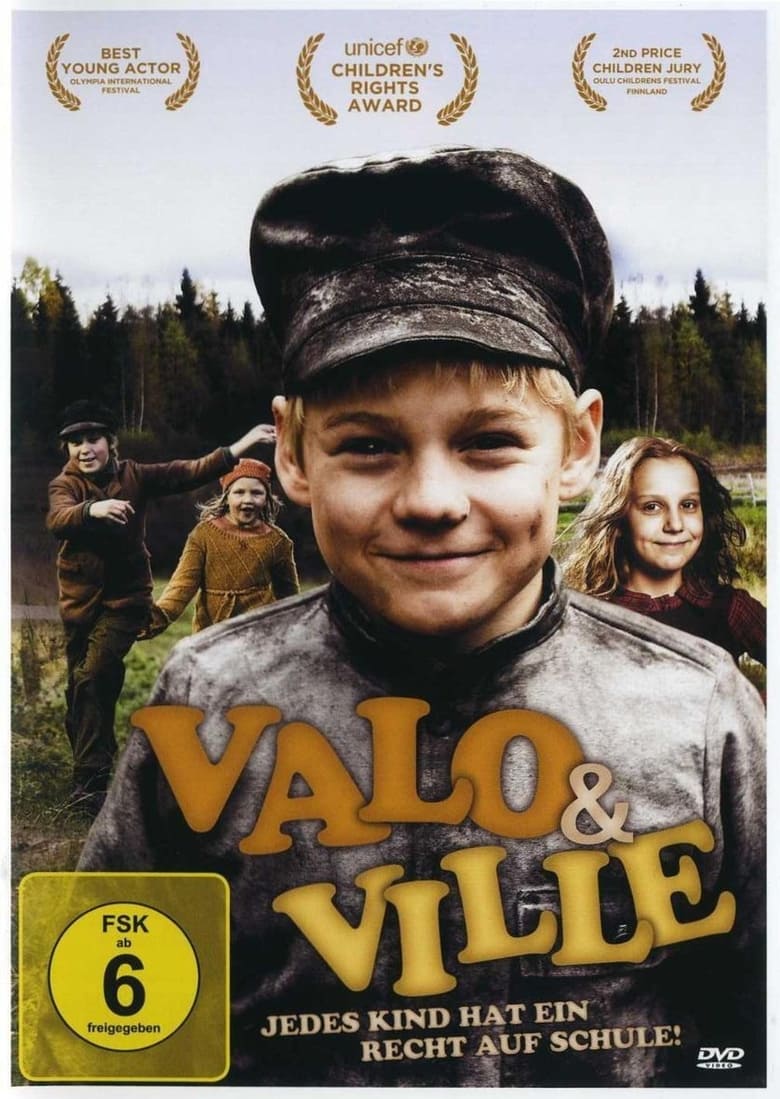
2005
Director
Kaija Juurikkala
Runtime
84 minutes
Average Rating
No ratings yetSynopsis
A story about clever and courageous children who decide to start their own school in the small village of Viiritsa. The children teach each other. It is the early 20th century. The children are led by 9-year-old Valo, who, together with his friend Ville and the other children in the village, teaches the village children to read and write. But not all adults approve of the children's initiative.
Overall Score
Fair
Category Breakdown
LGBTQ+ Representation
The film focuses on the bond between Valo and Ville, though it lacks explicit non-heteronormative depictions. The narrative centers on childhood camaraderie rather than overt identity markers.
Gender Representation
The story subverts traditional hierarchies by giving intellectual agency to children. By making a nine-year-old the leader of a pedagogical movement, it challenges adult-led authority.
Racial & Ethnic Diversity
Set in an early 20th-century Finnish village, the setting appears historically homogeneous. The film focuses on a localized, community-based identity without diverse ethnic ensembles.
Religious & Cultural Diversity
The plot critiques top-down systemic control by emphasizing peer-to-peer learning. This decentralized model functions as a challenge to traditional institutional legitimacy and adult oversight.
Disability Representation
There is no evidence within the narrative regarding the inclusion or portrayal of characters with physical or neurodivergent disabilities.
Strengths
Areas for Improvement
AI Analysis
Valo is a historical drama that finds its strength in the agency of its young protagonists. By centering a pedagogical movement led by a nine-year-old, the film disrupts conventional social structures and the passive role typically assigned to children. However, the film's diversity is limited by its specific historical and geographic context. The early 20th-century Finnish setting results in a homogeneous racial landscape, and the narrative lacks explicit identifiers for LGBTQ+ or disability representation. Ultimately, the film excels at portraying grassroots self-governance and the questioning of authority, even if it lacks broader intersectional breadth.
2017

2012

2012

2019
1992
2011

2019
2017

2012

2013
2018

2010
No reviews yet. Be the first to share your thoughts on this movie!
Use the rating form above to leave a star rating and optional review.