
Isabel on the Stairs
1984
No user ratings available yet
Representation score: 5.6 out of 10
Representation Score
Good
2018
Director
Moonika Siimets
Runtime
100 minutes
Average Rating
No ratings yetNew Showbiz Analysis
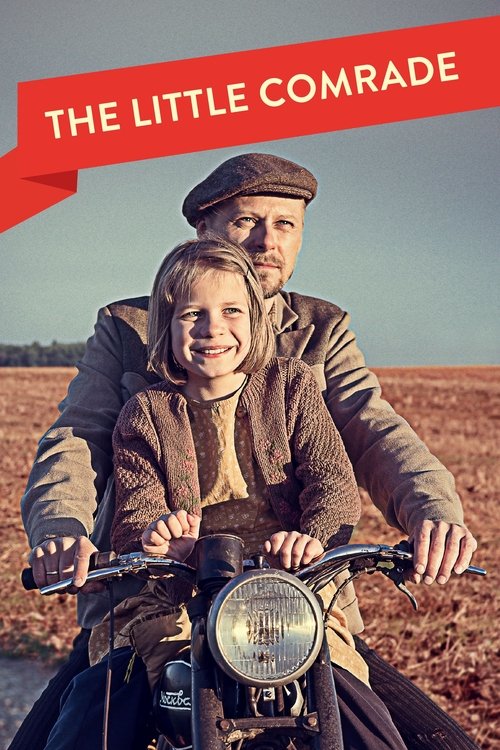
The Little Comrade offers a sophisticated critique of totalitarianism through the fragile lens of childhood. It succeeds by deconstructing state power and centering the psychological survival of its female protagonist. While the film lacks demographic breadth in terms of racial and LGBTQ+ representation, it provides significant progressive value. It challenges historical hierarchies by framing state institutions as sources of trauma rather than stability. Ultimately, the film's strength lies in its cultural perspective, offering a localized view of systemic oppression that avoids Western-centric clichés.
Category Breakdown
The film does not include explicit LGBTQ+ character arcs or non-assuming gender matches what was assigned at birth identities. It focuses on familial bonds and survival within a strict political system.
The story centers on the female experience, particularly the maternal bond and a daughter's resilience. It challenges traditional roles by depicting the mother as a victim of systemic forces.
The cast is predominantly homogeneous, reflecting the specific historical Estonian and Soviet context. It provides a localized, non-Anglo-Saxon perspective on historical trauma.
The film excels in critiquing institutional power, portraying the state as a corrupt and destructive force. It explores moral relativism necessitated by the struggle for survival.
There is no explicit focus on physical or neurodivergent disabilities. However, it explores the psychological trauma and sensory confusion of a child in a high-stress environment.
Present on Screen
Limited or Absent
Official Synopsis
In the midst of Stalinist tyranny, six-year-old Leelo's mother is sent to a prison camp. Haunted by her mother's last words telling her to be a good kid, Leelo vows to be on her best behaviour in the confusing grown-up world in the hope that it will bring her mother back.
1984

2018

2014

1985
2014

1997
2014
2017
No reviews yet. Be the first to share your thoughts on this movie!
Use the rating form above to leave a star rating and optional review.