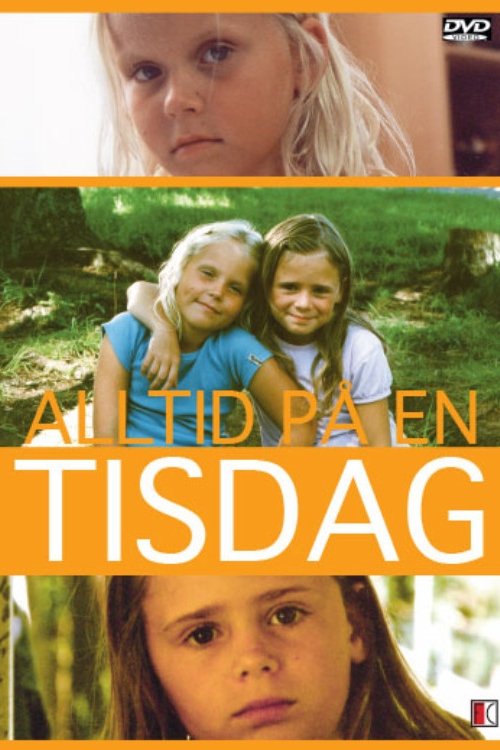
Always on a Tuesday
2004
No user ratings available yet
Representation score: 4.4 out of 10
Representation Score
Fair
1996
Director
Sirin Eide
Runtime
80 minutes
Average Rating
No ratings yetNew Showbiz Analysis
The film excels in offering a nuanced portrayal of female interpersonal dynamics and the psychological challenges of growing up. By focusing on the 'artful' rivalry between Rikke and Bea, it avoids many common coming-of-age clichés. However, the film lacks diversity in its demographic scope. The narrative operates within a narrow social framework that lacks racial diversity and explicit LGBTQ+ identity markers, keeping the overall score moderate. Ultimately, it is a character-driven drama that emphasizes internal emotional landscapes over broad social representation.
Category Breakdown
The film includes a subplot where Ninni has a significant romantic relationship outside of England. However, the gender of this partner is not specified, making the representation less clear.
The narrative focuses on the psychological complexities and female-driven conflicts of girlhood. It prioritizes the societal pressures faced by young women rather than traditional male-centric storylines.
The story seems to revolve around a localized, homogeneous social circle. There is no indication of diverse casting or characters representing various racial backgrounds.
The film delves into nuanced ethical dilemmas through themes of deception and truth. It highlights the tension between personal identity and societal or family expectations.
The film does not provide any information about characters with visible or invisible disabilities.
Present on Screen
Limited or Absent
Official Synopsis
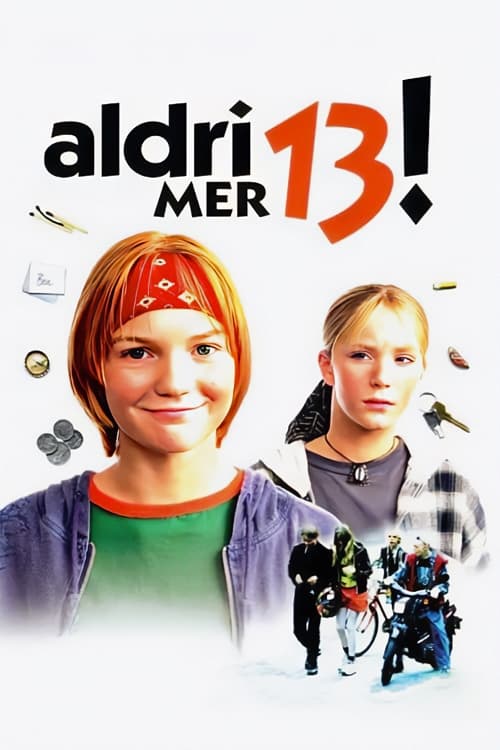
13-year old Rikke sees Bea, the new girl in her class, as a challenge. After an endurance test to find which of them can lie longer in a circle of flames, they become friends. However, as a result of some unfortunate truths and half-truths, the friendship falters. Rikke feels that Bea has let her down, and resolves to continue the rivalry between them, but now in a less physical, more artful way. In addition we meet Rikke's elder sister Ninni, who has been in England to learn the language, and has had to leave her great love, a man twelve years her senior. The film is also about the problems Rikke encounters in fulfilling the expectations of those around her as she approaches womanhood.
2004

2014
1993

2020

2010
2002
2008

2002
No reviews yet. Be the first to share your thoughts on this movie!
Use the rating form above to leave a star rating and optional review.