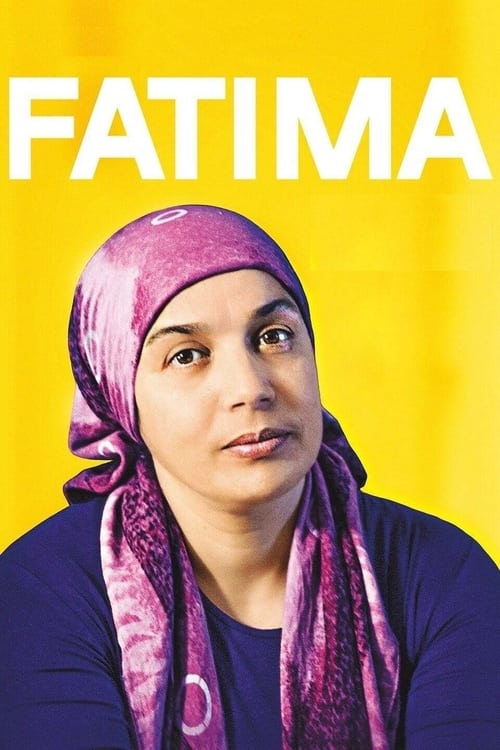
Fatima
2015
No user ratings available yet
Representation score: 5.8 out of 10
Representation Score
Excellent
2014
Director
Hicham Ayouch
Runtime
90 minutes
Average Rating
No ratings yetNew Showbiz Analysis
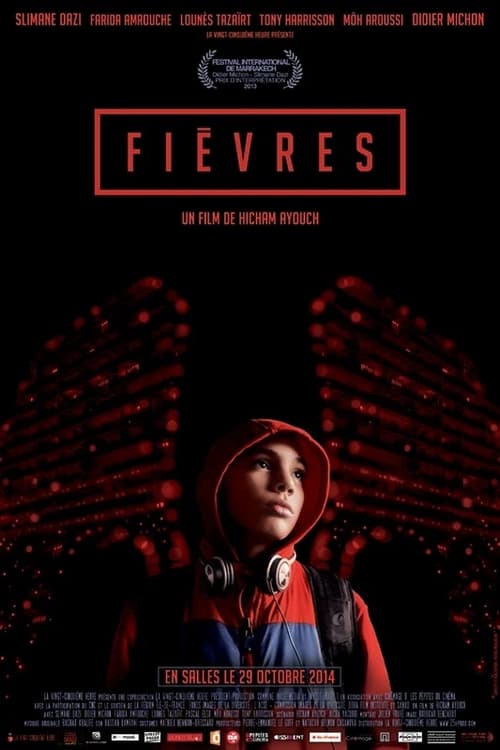
Fièvres is a work of social realism that highlights the lived experiences of Moroccan-descended characters in the French suburbs. By focusing on the tension between immigrant heritage and state institutions, the film provides a significant exploration of racial and ethnic displacement. The film's strength lies in its refusal to rely on traditional domestic archetypes. It dismantles the patriarchal provider role and examines how systemic failures, such as the prison and care systems, affect underrepresented families. However, the narrative lacks explicit LGBTQ+ representation and specific disability portrayal. These gaps limit its overall diversity profile.
Category Breakdown
The film focuses on familial and social displacement but does not explicitly include LGBTQ+ identities. It avoids negative stereotypes but lacks visible non-straight relationships.
The film challenges traditional masculine roles by showing an ineffective father figure. This disrupts the typical patriarchal provider role and presents a nuanced view of gendered responsibilities.
The film centers on a multi-generational Moroccan family living in the French suburbs, providing high ability to act for immigrant identities. It moves beyond the homogeneous depiction of the standard family unit.
The story criticizes Western institutions like the state care system and the nuclear family. It portrays behavioral struggles as results of systemic neglect and environmental instability.
There is no specific mention of physical or neurodivergent disabilities. The protagonist's struggles are framed as a psychological issue influenced by his environment.
Present on Screen
Limited or Absent
Official Synopsis
Benjamin is at war: with life, with adults, with himself. From his earliest childhood onwards, the 13-year old has been shunted from one care home to another. When his mother has to go to prison, he is sent to his father, whom he has never known. The man turns out to be a dead loss, a warehouseman who's given up on life, a man in his mid-40s who still lives with his Moroccan parents in a high-rise block in the banlieue. Benjamin's turbulence and violence soon prove too much for his new family.
2015
2016
2020
2023
2014
2011

2019
2014
No reviews yet. Be the first to share your thoughts on this movie!
Use the rating form above to leave a star rating and optional review.