
The Girl
2009
No user ratings available yet
Representation score: 4.8 out of 10
Representation Score
Fair
2004
BtlDirector
Pia Maria Gunnarsson
Runtime
28 minutes
Average Rating
No ratings yetNew Showbiz Analysis
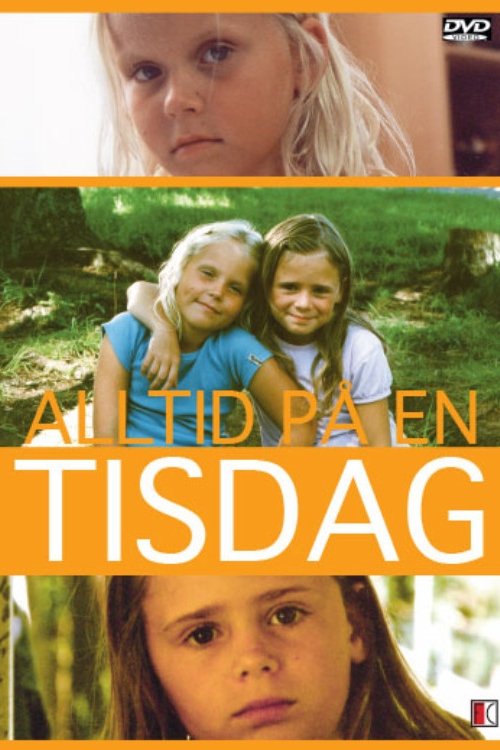
Always on a Tuesday is a psychological character study that excels in exploring the ability to act and inner worlds of young girls. By focusing on the unsupervised lives of Sanna and Moa, the film shifts away from male-centric narratives to highlight the complexities of peer-driven social dynamics. However, the film lacks broader markers of diversity. Its storytelling remains localized and homogeneous, offering limited representation of racial, ethnic, or LGBTQ+ identities. It serves more as a focused study of childhood innocence and domestic social structures than a broad social critique. Ultimately, the film dismantles traditional hierarchies of authority but its narrow demographic focus restricts its overall diversity impact.
Category Breakdown
The film highlights the strong bond between two female protagonists but does not include any characters with LGBTQ+ identities or perspectives.
The story emphasizes the internal worlds and ability to act of young girls. It challenges typical gender clichés by showing children as active participants in their social environment.
The drama focuses on a localized, character-driven narrative. It does not feature a multi-ethnic cast and maintains a homogeneous regional setting.
The narrative explores themes of autonomy and challenges traditional parental authority. It looks at the breakdown of family order through the lens of childhood rebellion.
There is no indication of characters with physical or neurodivergent disabilities in the film.
Present on Screen
Limited or Absent
Official Synopsis
Sanna and Moa are best friends. One afternoon a week the two girls are allowed to be home alone instead of going to After-school. It is exciting and of course they have to try everything they normally aren't allowed to do. But after a while the games become more serious and Sanna has a hard time finding a way out.
2009
2004
2017
1993

2009
1996
2017
1996
No reviews yet. Be the first to share your thoughts on this movie!
Use the rating form above to leave a star rating and optional review.