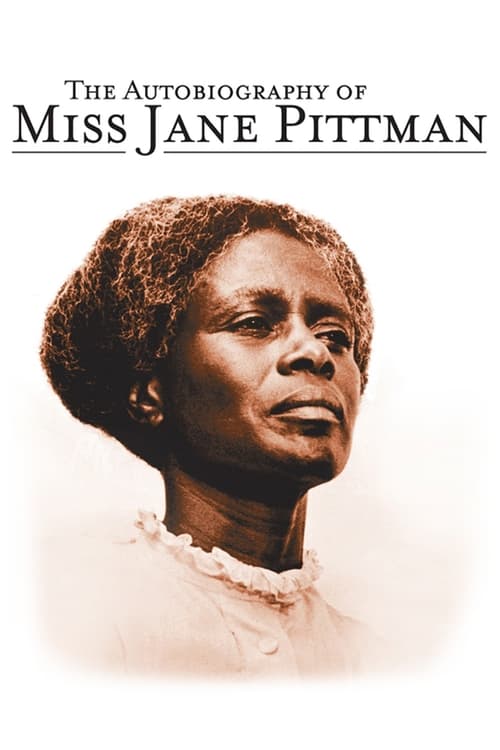
The Autobiography of Miss Jane Pittman
1974
No user ratings available yet
Representation score: 7.2 out of 10
Representation Score
Good
1979
Director
Fielder Cook
Runtime
96 minutes
Average Rating
No ratings yetNew Showbiz Analysis
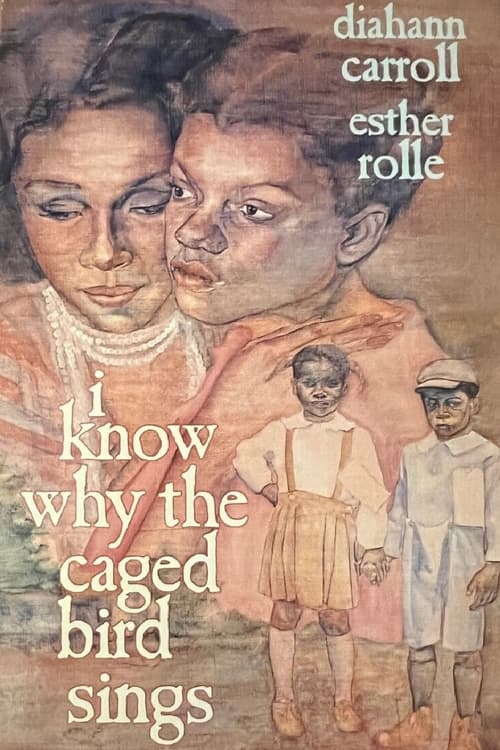
This adaptation of Maya Angelou's memoir is a powerful study of the intersection of race, gender, and trauma. It successfully deconstructs traditional power dynamics by centering the ability to act of underrepresented individuals within a restrictive historical framework. The film provides a profound critique of systemic oppression through a deeply personal lens. The production excels by prioritizing the resilience of Black women and the internal dynamics of the Black community. By moving beyond mere presence to offer psychological depth, it challenges historical tendencies to sideline these perspectives. While the film lacks LGBTQ+ characters, its focus on the intersection of race, gender, and trauma creates a rich, nuanced portrait of survival in the segregated South.
Category Breakdown
The narrative focuses on a young girl's development within a specific historical and racial context. There are no LGBTQ+ characters or non-straight relationships.
The film centers the female experience, providing emotional and structural support through strong female characters like 'Momma'.
An all-Black cast authentically reflects the Jim Crow South. Characters of color have high ability to act and deep psychological complexity within their community.
The film critiques the oppressive legal and social structures of the 1930s. It highlights the communal strength of the Black church while exploring systemic failures and moral complexities.
The film addresses psychological trauma and the invisible wounds of sexual abuse. These elements focus on internal struggles and identity rather than serving as mere plot devices.
Present on Screen
Limited or Absent
Official Synopsis
Based on writer Maya Angelou's eloquent reminiscences of her days as a gifted youngster growing up in the South during the Depression years where she and her older brother were raised by their grandmother after the divorce of their parents.
1974

1993

2019

1965
1997

1990
1985

1985
No reviews yet. Be the first to share your thoughts on this movie!
Use the rating form above to leave a star rating and optional review.