The Catman of Paris
1946
No user ratings available yet
Diversity score: 1.6 out of 10
1948
NRDirector
John Farrow
Runtime
81 minutes
Average Rating
No ratings yetSynopsis
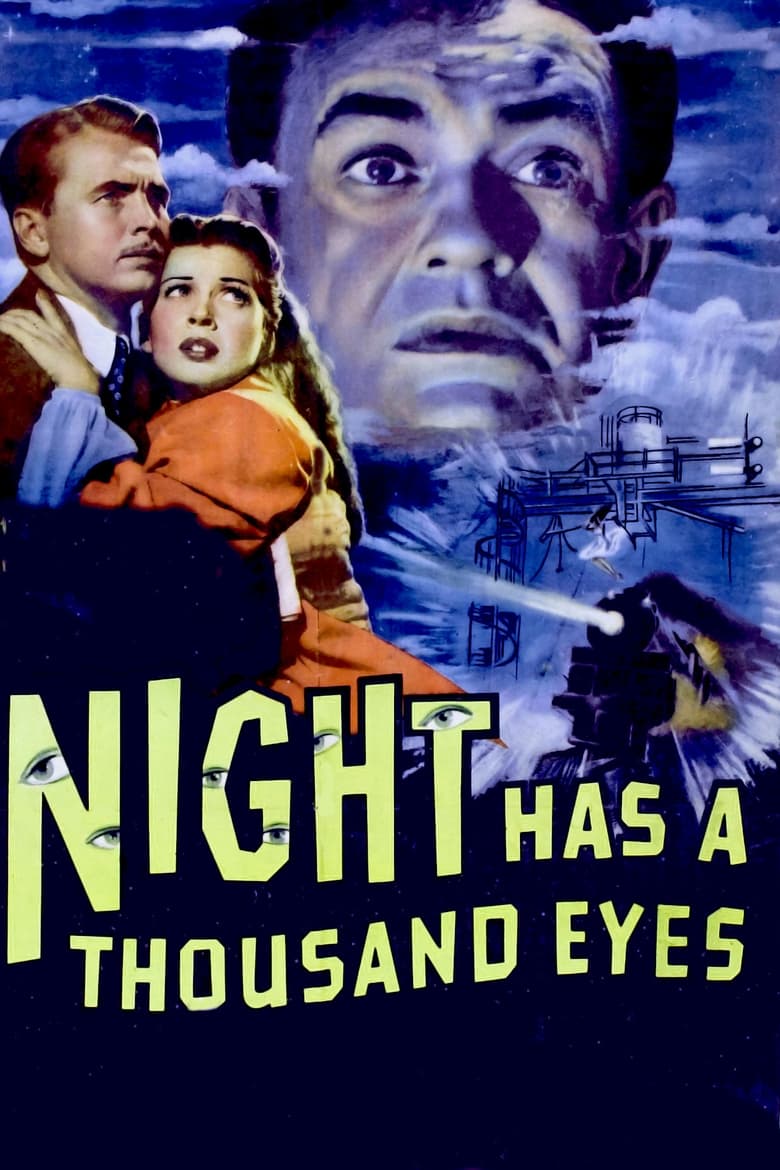
When heiress Jean Courtland attempts suicide, her fiancée Elliott Carson probes her relationship with John Triton. In flashback, we see how stage mentalist Triton starts having terrifying flashes of true precognition. His partner, Whitney Courtland, uses Triton's talent to make money; but Triton's inability to prevent what he foresees, causes him to break up the act and become a hermit. Years later, Triton has new visions and desperately tries to prevent tragedies in the Courtland family. Can his warnings succeed against suspicion, unbelief, and inexorable fate?
Overall Score
Limited
Category Breakdown
LGBTQ+ Representation
The film lacks LGBTQ+ characters or non-heteronormative identities. Romantic and social structures remain strictly aligned with 1940s heteronormative standards.
Gender Representation
Jean Courtland serves as a central plot catalyst, yet her agency remains largely reactive to male investigation. The film relies on established femme fatale archetypes and traditional gender hierarchies.
Racial & Ethnic Diversity
The production features a predominantly white cast, reflecting the era's demographic homogeneity. No characters from diverse ethnic backgrounds are shown in positions of agency.
Religious & Cultural Diversity
The narrative focuses on personal exoneration and individual justice rather than institutional critique. It follows a classic noir trajectory within a standard, non-diverse social order.
Disability Representation
John Triton's precognition is framed as a supernatural mentalist ability rather than a nuanced portrayal of neurodivergence. This serves genre requirements rather than disability agency.
Strengths
Areas for Improvement
AI Analysis
Night Has a Thousand Eyes is a quintessential 1948 noir that prioritizes psychological suspense over social disruption. The film adheres strictly to the demographic and narrative norms of its era, offering little in the way of intersectional representation. The story centers on individualist struggle and the mystery of precognition. While the protagonist's unique mental abilities drive the plot, they function as a genre device rather than a meaningful exploration of disability or neurodivergence. Ultimately, the film maintains the established social hierarchies of mid-century cinema. It lacks diverse casting and relies on traditional gender tropes, focusing on personal integrity within a recognizable, homogeneous social landscape.
1946
1961
1952
1978
1982
1971
2013
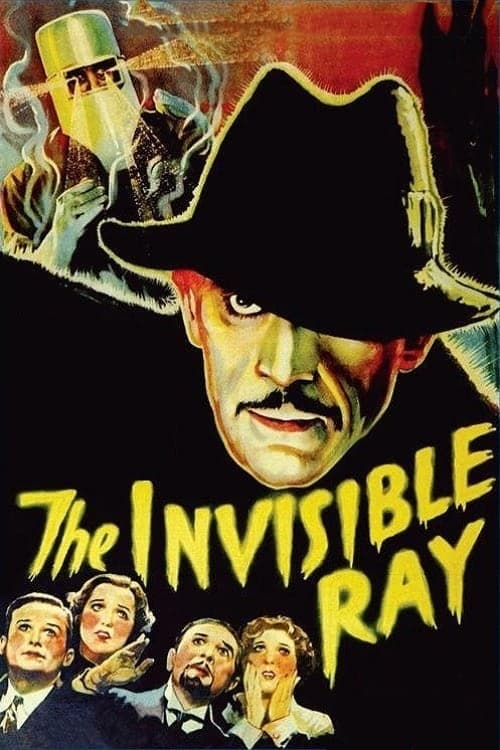
1936
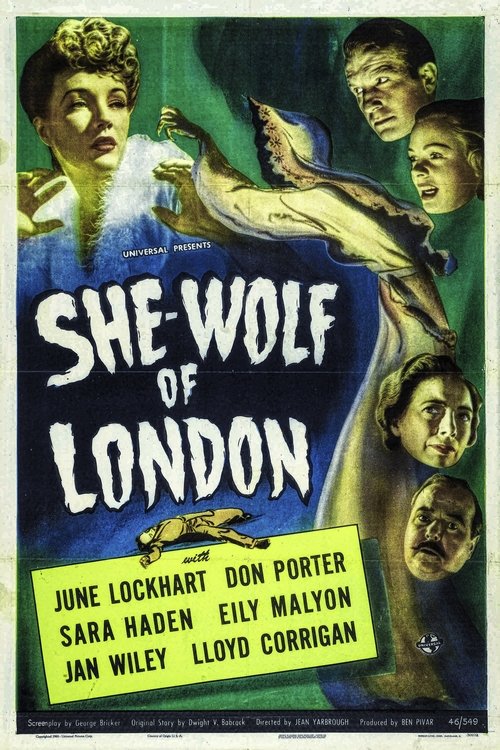
1946
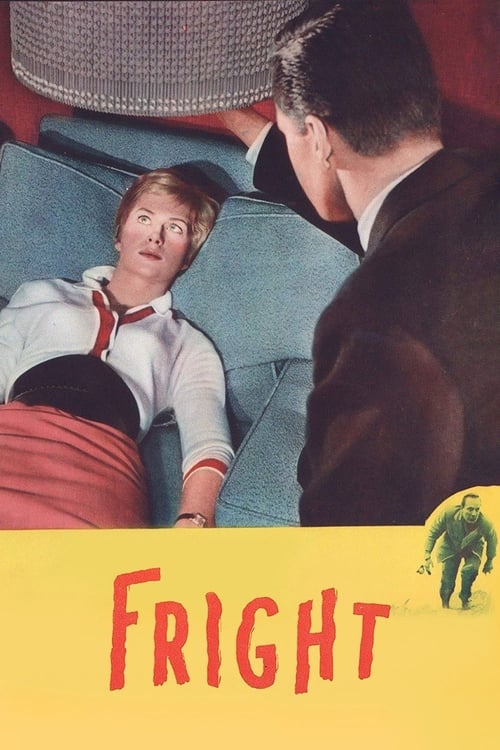
1956
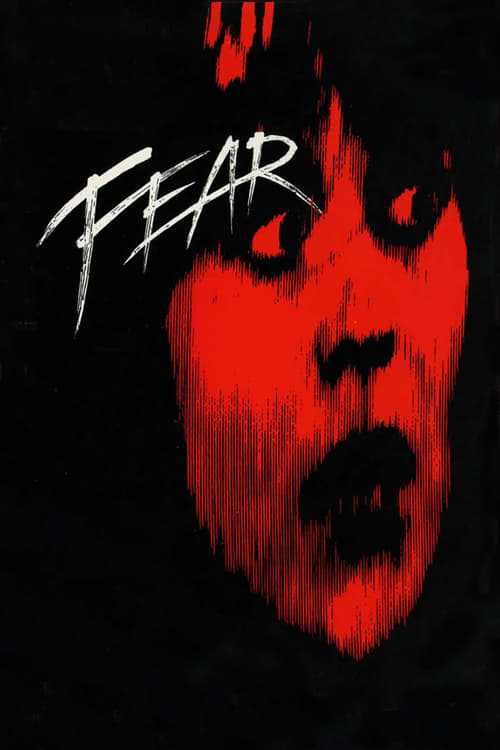
1990
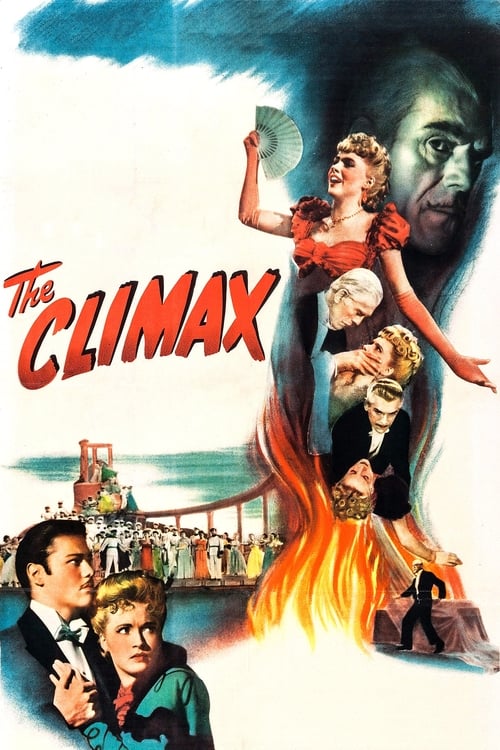
1944
No reviews yet. Be the first to share your thoughts on this movie!
Use the rating form above to leave a star rating and optional review.