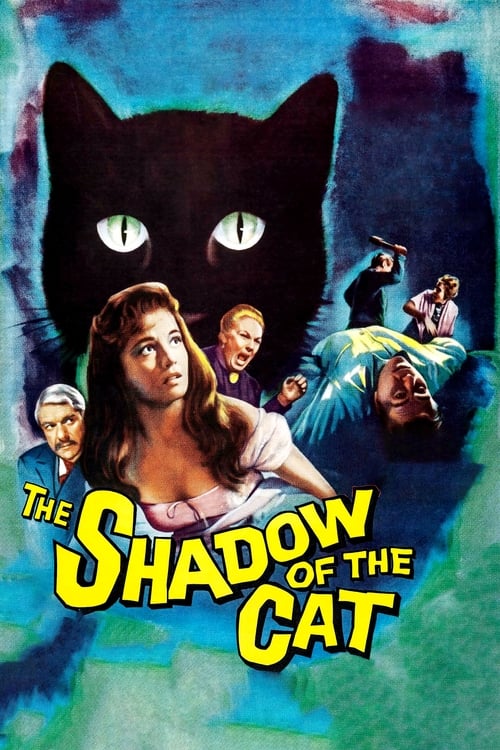
The Shadow of the Cat
1961
No user ratings available yet
Representation score: 3.6 out of 10
Representation Score
Minimal
1946
ApprovedDirector
Lesley Selander
Runtime
62 minutes
Average Rating
No ratings yetNew Showbiz Analysis
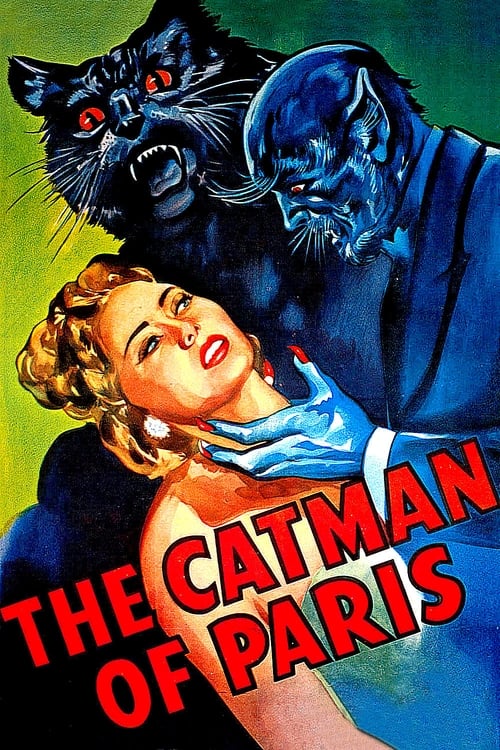
The Catman of Paris is a mid-century pulp thriller that emphasizes genre clichés over social exploration. It adheres to the traditional narrative structures of the 1940s, focusing on individual psychological torment and mystery. The film reinforces conventional social hierarchies without challenging them. Character development is tied to traditional roles, and the setting serves as a backdrop for a Western mystery rather than a platform for diverse storytelling. Overall, the film lacks the intentionality to address gender, race, or identity in a meaningful way, functioning instead as a typical suspense piece of its time.
Category Breakdown
The film focuses solely on a heterosexual relationship between Charles and Marie, with no representation of LGBTQ+ identities.
Gender roles in the film follow 1940s conventions, with Marie serving mainly as a romantic interest and target, lacking independent narrative significance.
The cast is predominantly white, with no significant representation of non-white characters or racial diversity.
The story operates within a standard Western framework, criticizing the government without addressing broader systemic issues.
The protagonist's blackouts are used as a suspenseful plot device, rather than providing a nuanced portrayal of a neurological condition.
Present on Screen
Limited or Absent
Official Synopsis
When author Charles Regnier returns to Paris with a best-selling book that criticizes the government, he's tormented by frequent blackouts. After a mysterious cat-like creature slaughters people close to him, Charles is suspected of murder. Charles fears that he is the beast, but his paramour Marie and best friend Henry, believe he's innocent... until the creature begins to stalk Marie.
1961
1943
1946
1939
1933

1964
1961
1963
No reviews yet. Be the first to share your thoughts on this movie!
Use the rating form above to leave a star rating and optional review.