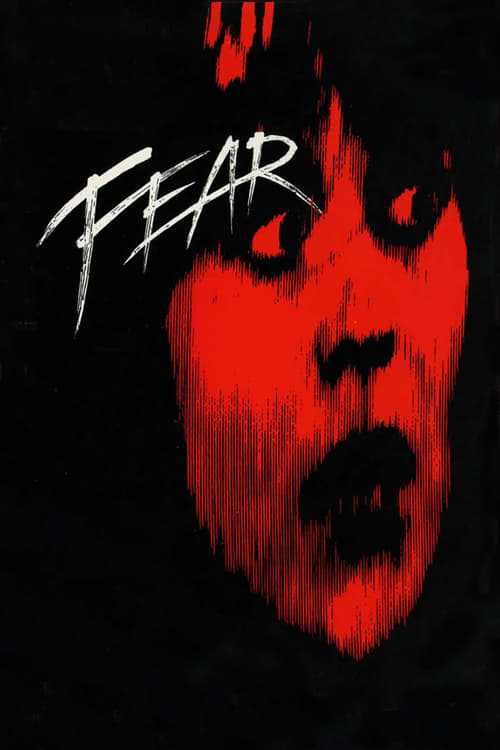
Fear
1990
No user ratings available yet
Representation score: 3.1 out of 10
Representation Score
Fair
1971
Director
Sutton Roley
Runtime
71 minutes
Average Rating
No ratings yetNew Showbiz Analysis
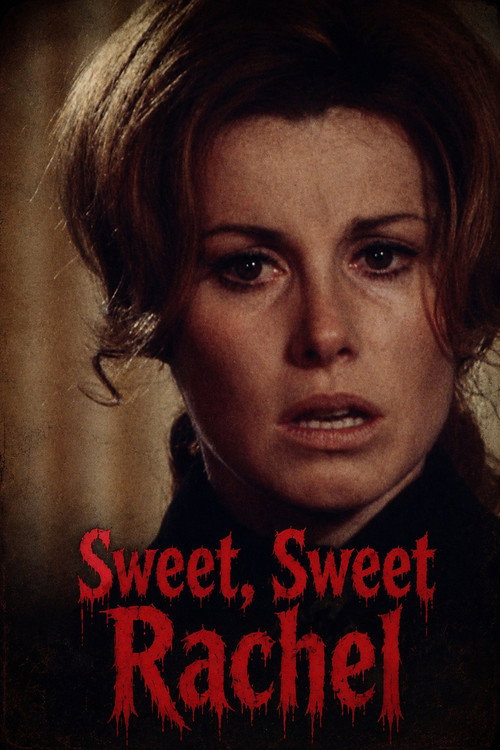
Sweet, Sweet Rachel is a traditional 1970s horror-thriller that emphasizes genre clichés over social or multi-layered depth. The narrative centers on a supernatural conflict involving ESP and telepathy, which drives the suspense but avoids broader social critiques. The film reflects the era's preference for homogeneous casting and traditional character types. While female actors play leading roles, the plot structure follows a standard thriller dynamic without significantly disrupting established social hierarchies. Ultimately, the film serves as a period-specific genre piece, leaning into supernatural suspense rather than exploring authentic representations of identity or disability.
Category Breakdown
The film does not include non-binary gender identities or narratives that question the assumption that everyone is straight or cisgender. It follows typical character types and relationships seen in 1970s psychological thrillers.
The cast includes several prominent actresses, but the story revolves around a male protagonist who uses his extrasensory perception to track a killer. The narrative does not significantly challenge traditional gender roles or highlight women's ability to drive the story.
The film features a predominantly white cast typical of early 1970s horror movies. There is no indication of a diverse cast with different racial backgrounds.
The story focuses on psychic phenomena and telepathy, emphasizing supernatural suspense over social commentary. It does not address Western institutions, capitalism, or organized religion.
Psychic abilities are used as key plot devices, but these heightened senses function more as supernatural 'special abilities' rather than exploring authentic representations of disability or neurodivergence.
Present on Screen
Limited or Absent
Official Synopsis
An ESP expert uses his powers to try to track down a psychic who uses telepathy to commit murder.
1990
1977
1982
1978
1957
1978
1961
1963
No reviews yet. Be the first to share your thoughts on this movie!
Use the rating form above to leave a star rating and optional review.