Find another title
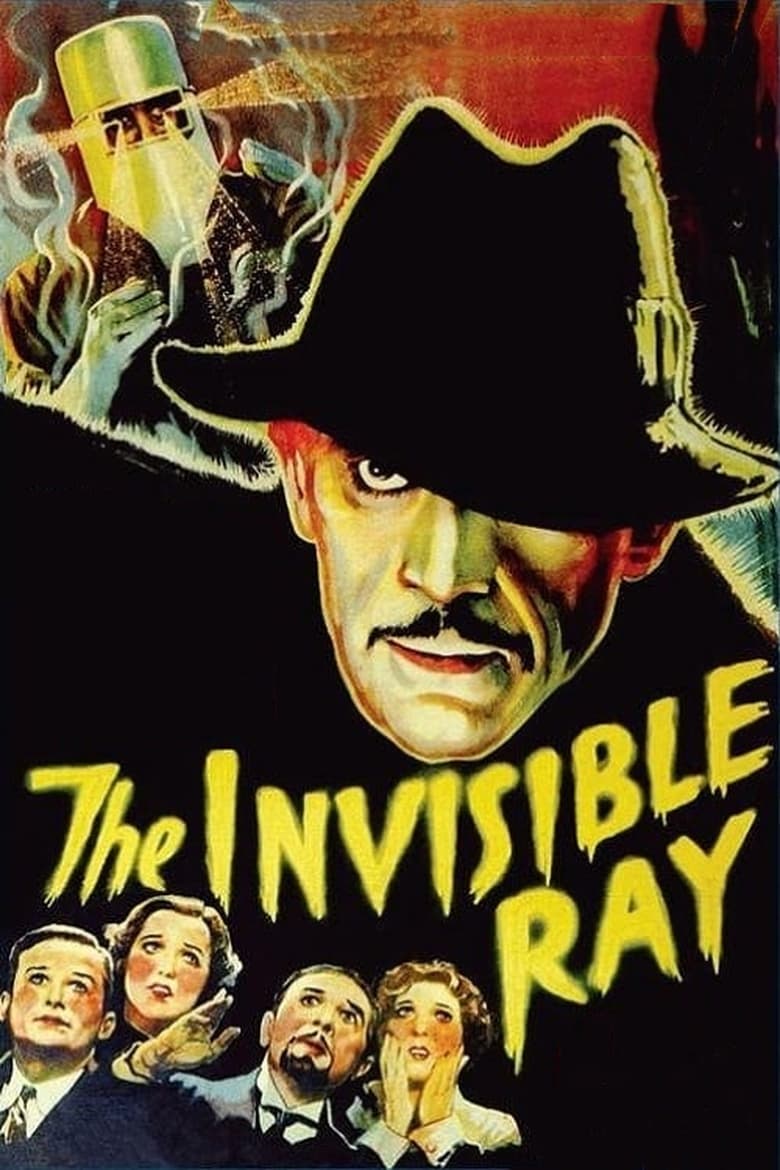
The Invisible Ray
1936
Director
Lambert Hillyer
Runtime
79 minutes
Average Rating
No ratings yetSynopsis
Dr. Janos Rukh discovers a certain type of radium that has almost magical healing properties. But the element has a dangerous side, too, and it has already started affecting Rukh. Consumed by paranoia, he begins to suspect that his wife is having an affair. Wild for revenge, Rukh hatches a deadly plot...using his own poisoned body as a weapon to kill.
Where to Watch
Diversity & Representation
Overall Score
Minimal
Category Breakdown
LGBTQ+ Representation
The film contains no depictions of LGBTQ+ identities or non-cisnormative expressions. The social framework remains strictly heteronormative, adhering to the standard character archetypes of the 1930s.
Gender Representation
Narrative agency is centered on male intellectual pursuits and professional conflicts. Female characters are relegated to domestic roles, serving primarily as catalysts for the protagonist's emotional instability.
Racial & Ethnic Diversity
The cast and setting are characterized by a homogeneous demographic. There is no evidence of non-white protagonists or diverse ethnic perspectives within the depicted scientific community.
Religious & Cultural Diversity
The story functions as a traditional morality play regarding scientific hubris. It reinforces Western institutional values and a clear binary of good versus evil.
Disability Representation
Physical transformation via radiation is used as a horror trope rather than an exploration of disability. The protagonist's condition serves as a mechanism for villainy.
Strengths
- The film provides a clear, traditional morality play regarding the ethical responsibilities of scientific advancement.
Areas for Improvement
- The film lacks racial and ethnic diversity, presenting a highly homogeneous cast.
- Gender roles are restrictive, with female characters lacking independent agency.
- The portrayal of physical impairment is used as a horror device rather than a nuanced study of disability.
- There is a complete absence of LGBTQ+ representation or non-cisnormative identities.
AI Analysis
The Invisible Ray is a product of its era, strictly adhering to the social and narrative hierarchies of 1930s genre filmmaking. It lacks intersectional complexity, focusing instead on a traditional cautionary tale about scientific ethics. The film relies on a homogeneous cast and reinforces conventional gender roles. While it features a protagonist undergoing physical change, this is framed through the lens of horror and madness rather than nuanced representation. Ultimately, the production upholds established social norms and Western institutional values, offering little disruption to the period's standard cinematic conventions.
Rate this Movie
Reviews
No reviews yet. Be the first to share your thoughts on this movie!
Use the rating form above to leave a star rating and optional review.