Saut à la couverte
1896
No user ratings available yet
Representation score: 1.1 out of 10
Representation Score
Minimal
1898
Director
Auguste Lumière, Louis Lumière
Runtime
1 minutes
Average Rating
No ratings yetNew Showbiz Analysis
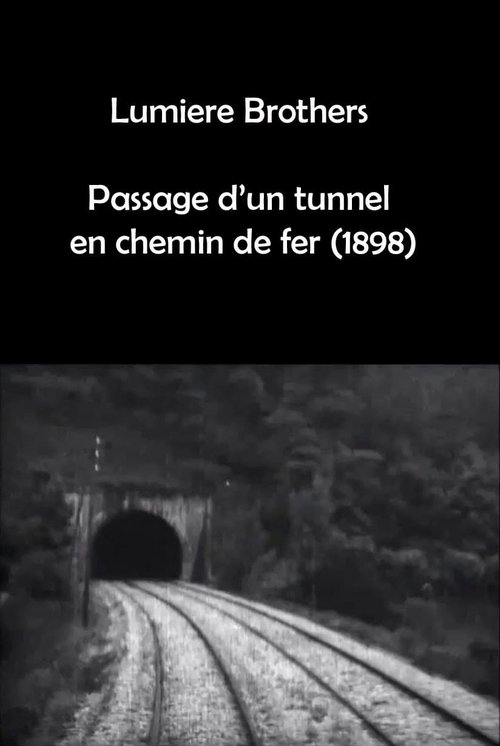
This film serves primarily as a technical document of industrial modernity, focusing on documenting a specific moment in history rather than telling a narrative story. It lacks the character development, dialogue, and purposeful direction needed to address social identities or progressive representation. Operating within the constraints of early documentary realism, the film offers a literalist view of the industrial age, capturing a snapshot of late 19th-century life without deeper symbolic meaning. Overall, the film presents a neutral observation of a Western technological milestone without engaging in social critique or multi-layered issues.
Category Breakdown
The film focuses on a locomotive and does not depict any characters with developed gender identities or orientations.
The film highlights the railway workers and machinery, reflecting traditional gender roles without challenging them.
It shows a uniform group of commuters and workers, providing a straightforward record of a specific time in Western technology.
The film celebrates industrial capitalism and technological advancement but lacks themes that explore moral relativism or secularism.
The film centers on the movement of the train and the crowd, without depicting any visible or invisible disabilities.
Present on Screen
Limited or Absent
1896
1896
1896
1897
1898
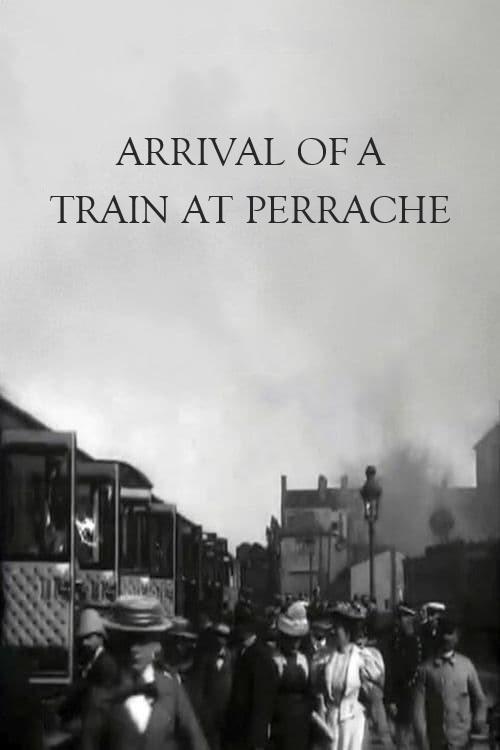
1896
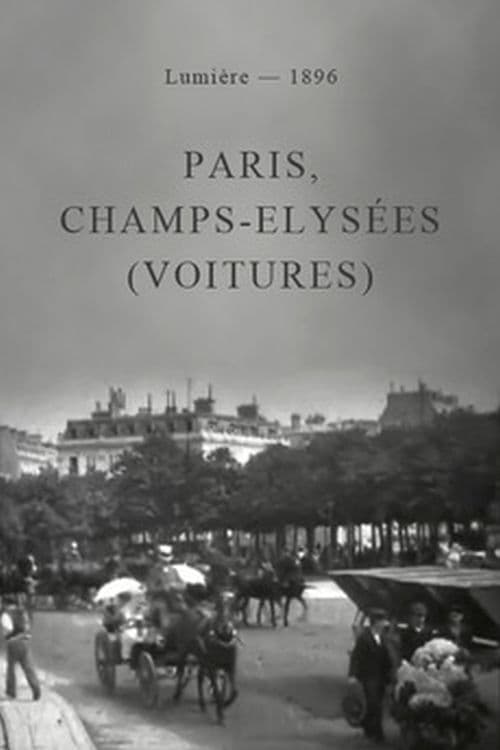
1896
1897
No reviews yet. Be the first to share your thoughts on this movie!
Use the rating form above to leave a star rating and optional review.