
New York, Brooklyn Bridge
1896
No user ratings available yet
Representation score: 1.8 out of 10

Representation Score
Minimal
1896
Director
Alexandre Promio
Runtime
1 minutes
Average Rating
No ratings yetNew Showbiz Analysis
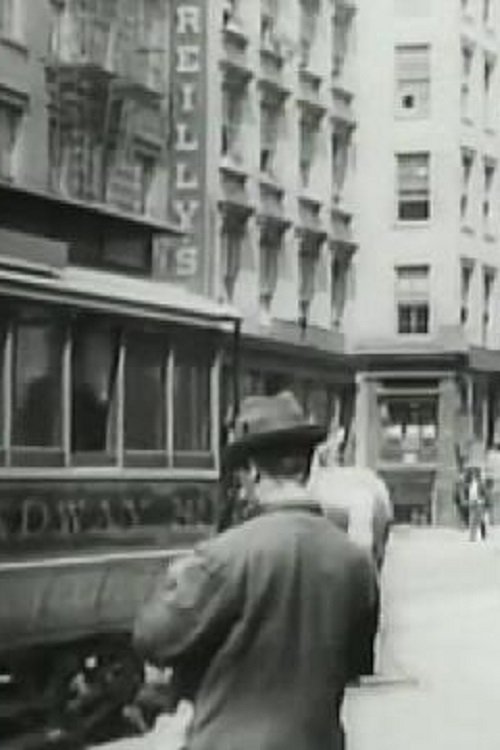
This 1896 documentary serves as a technical, observational record of industrial life rather than a narrative designed for social commentary. It captures the arrival of a train at Battery Place, focusing on the spectacle of the locomotive and the bustling urban environment. Since the film is a brief ethnographic clip, it lacks the structure needed for intentional representation or the deconstruction of social hierarchies. The subjects are captured as part of a historical moment rather than as characters with defined identities. Ultimately, the film reflects the standard social structures and technological celebrations of the late 19th century without attempting to challenge the status quo.
Category Breakdown
The film does not include any LGBTQ+ characters or stories. Given its focus on public transportation, it doesn't have the scope to explore sexual orientation.
Women appear in the crowd but are limited to traditional roles of the time. There is no indication of challenging gender hierarchies.
The footage likely shows a diverse urban crowd in New York. However, it doesn't focus on characters who reflect more than one aspect of diversity.
The film documents Western technological progress. It does not address themes of secularism or anti-Western narratives.
There is no evidence of characters with visible or invisible disabilities. The film does not use such individuals as plot devices.
Present on Screen
Limited or Absent
1896

1927

1896

1896
1896

1896

1896

1896
No reviews yet. Be the first to share your thoughts on this movie!
Use the rating form above to leave a star rating and optional review.