The Pruitt-Igoe Myth
2012
No user ratings available yet
Diversity score: 7.5 out of 10
2020
TV-MADirector
Tommy Oliver
Runtime
110 minutes
Average Rating
No ratings yetSynopsis
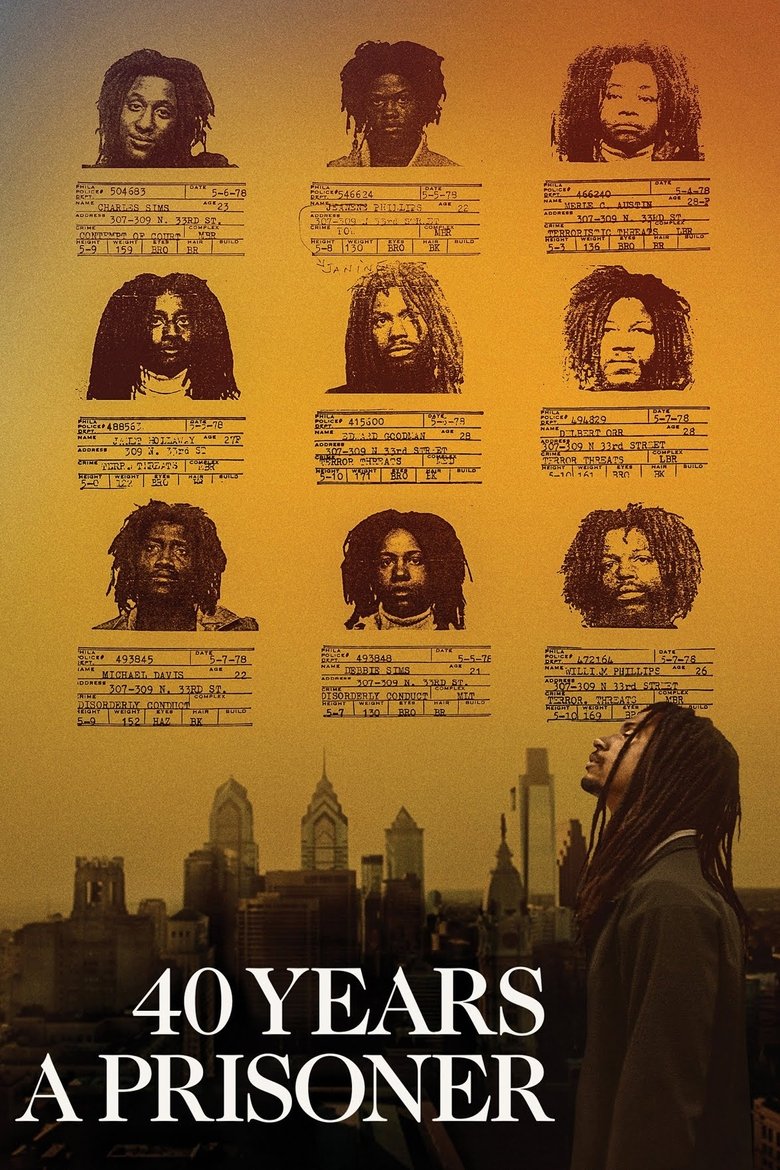
A chronicle of the controversial 1978 Philadelphia police raid on the radical back-to-nature group MOVE and the aftermath that led to a son’s decades-long fight to free his parents. Through eyewitness accounts and archival footage of the escalating tension that resulted in the controversial confrontation between police and MOVE members, the film illuminates the story of a city grappling with racial tension and police brutality with alarming topicality and modern-day relevance.
Overall Score
Good
Category Breakdown
LGBTQ+ Representation
The documentary contains no explicit LGBTQ+ narratives or characters. The story focuses strictly on the political struggles of the MOVE organization and Robert Stephens' legal battle.
Gender Representation
The narrative is primarily driven by male-centric experiences within the political movement and carceral system. It lacks significant subversion of gender roles, focusing instead on racial justice dynamics.
Racial & Ethnic Diversity
The film excels by centering Black lived experiences and exploring racial disparities in policing. It provides high agency to marginalized voices through archival footage and personal accounts of systemic inequity.
Religious & Cultural Diversity
The documentary offers a sophisticated critique of Western institutional stability. It portrays the MOVE group as a radical entity that challenges traditional social orders and the sanctity of state power.
Disability Representation
The film touches upon the psychological traumas inflicted by long-term incarceration. However, it does not center on specific physical or neurodivergent disability advocacy.
Strengths
Areas for Improvement
AI Analysis
Tommy Oliver’s documentary is a powerful interrogation of institutional power and systemic failure. By chronicling the MOVE organization's conflict with Philadelphia police, the film disrupts conventional depictions of the American judicial system. It moves beyond biography to provide a structural critique of state authority. The film's primary strength is its centering of Black lived experience and the exploration of racial disparities. It uses archival footage to validate the historical reality of systemic inequity and provides agency to those fighting against a biased institutional framework. While the film is a vital piece of social commentary, it remains narrow in its demographic scope. The narrative is heavily male-centric and lacks explicit representation for LGBTQ+ identities or specific disability advocacy.
2012

2009

2019

2012

2021
2012

2020
2019
2017

1986
2019
2018
No reviews yet. Be the first to share your thoughts on this movie!
Use the rating form above to leave a star rating and optional review.