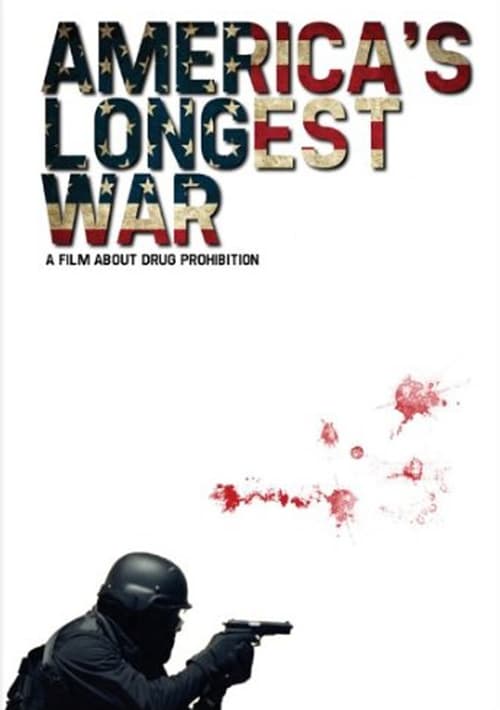
America's Longest War
2013
No user ratings available yet
Representation score: 6.3 out of 10
Representation Score
Good
2012
NRDirector
Eugene Jarecki
Runtime
110 minutes
Average Rating
No ratings yetNew Showbiz Analysis
The film effectively critiques systemic power structures, particularly through its detailed examination of how the War on Drugs disproportionately impacts people of color. By focusing on racial and economic exclusion, it challenges the perceived neutrality of the American legal system. However, the documentary lacks depth in addressing other underrepresented groups. It does not actively engage with LGBTQ+ narratives or provide specific representation for individuals with physical or neurodivergent disabilities. Overall, the work is a strong critique of institutional and corporate structures, although its focus remains narrow, emphasizing racial justice and anti-capitalist themes over gender or disability-specific issues.
Category Breakdown
The film does not focus on LGBTQ+ identities or non-cisgender narratives. There is no clear indication of queer-coded messages or dedicated representation related to LGBTQ+ issues.
The movie maintains a neutral stance on gender hierarchies. It focuses on the intersection of race, class, and the legal system rather than challenging traditional gender roles.
The narrative centers on examining racial disparities and the disproportionate impact of the War on Drugs on Black and Latino communities. These groups play key roles in illustrating systemic failures.
The film provides a critical look at Western institutions, presenting the justice system as a tool of social control. It highlights how corporate profits fuel the prison-industrial complex.
The film does not focus on neurodivergence or physical disabilities. While it touches on the social consequences of incarceration, characters with disabilities are not central to the narrative.
Present on Screen
Limited or Absent
Official Synopsis
In the past 40 years, the War on Drugs has accounted for 45 million arrests, made America the world's largest jailer, and destroyed impoverished communities at home and abroad. Yet drugs are cheaper, purer, and more available today than ever. Where did we go wrong?
2013
2012
2014

2022
2011
2012
2014
2005
No reviews yet. Be the first to share your thoughts on this movie!
Use the rating form above to leave a star rating and optional review.