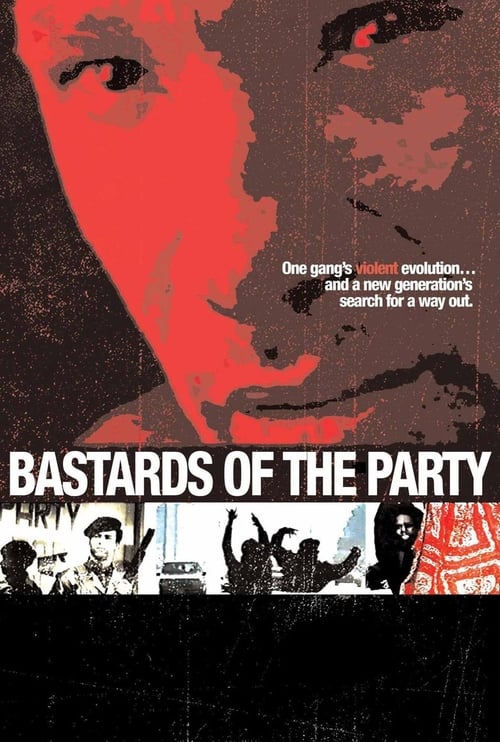
Bastards of the Party
2005
No user ratings available yet
Representation score: 5.2 out of 10

Representation Score
Good
2009
Not RatedDirector
Stacy Peralta
Runtime
93 minutes
Average Rating
No ratings yetNew Showbiz Analysis
Stacy Peralta’s documentary provides a sophisticated sociological analysis of South Los Angeles gang culture. It succeeds by shifting the perspective from criminal caricatures to systemic victims, offering deep, authentic portrayals of Black and Latino communities through first-person testimony. However, the film’s narrow focus on patriarchal gang hierarchies results in significant gaps regarding gender and LGBTQ+ representation. While it captures the psychological toll of violence, it lacks a dedicated lens for disability ability to act. Ultimately, the work is a powerful study of how systemic socioeconomic neglect shapes identity, even if its subject matter inherently limits its demographic breadth.
Category Breakdown
The film focuses almost exclusively on hyper-masculine gang environments. There is no discernible presence of LGBTQ+ narratives or non-assuming gender matches what was assigned at birth identities within the primary subject matter.
The narratives are heavily dominated by male perspectives, reflecting the specific demographics of the Crips and Bloods. The lack of women's ability to drive the story or significant female-driven plot arcs results in a lower score.
The film excels in providing actively leading, nuanced portrayals of Black and Latino individuals. It utilizes first-person testimony to give profound depth to characters of color, positioning them as primary narrative drivers.
The documentary critiques the breakdown of the nuclear family and capitalist economic structures. It frames the 'street code' as a survivalist moral framework that challenges mainstream legalistic and religious morality.
Psychological trauma and mental health consequences are presented as symptoms of the environment rather than through a lens of specific disability ability to act. There is no dedicated focus on neurodivergence.
Present on Screen
Limited or Absent
Official Synopsis
With a first-person look at the notorious Crips and Bloods, this film examines the conditions that have lead to decades of devastating gang violence among young African Americans growing up in South Los Angeles.
2005

2009
2011

2017

2005
2016

2012

2013
No reviews yet. Be the first to share your thoughts on this movie!
Use the rating form above to leave a star rating and optional review.