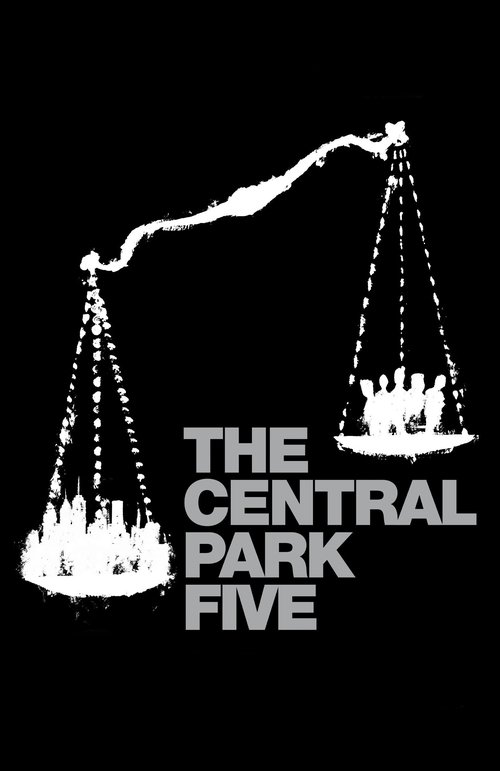
The Central Park Five
2012
No user ratings available yet
Representation score: 4.0 out of 10

Representation Score
Good
2019
TV-14Director
Mark Ritchie
Runtime
61 minutes
Average Rating
No ratings yetNew Showbiz Analysis
The documentary serves as a powerful critique of systemic injustice by centering the lived experiences of Black and Latino men. It effectively deconstructs the 'law and order' cliché, presenting a portrait of systemic vulnerability and human trauma. While the film excels in racial and cultural depth, it remains narrow in its scope regarding other identities. The focus on the specific legal battle of the exonerated men leaves little room for broader explorations of gender or sexual orientation. Ultimately, the work is a sophisticated piece of social commentary, using personal testimony to challenge the sanctity of legal institutions and highlight the devastating impact of institutional bias.
Category Breakdown
The narrative focuses strictly on race, age, and the criminal justice system. It lacks significant LGBTQ+ characters or non-assuming gender matches what was assigned at birth gender explorations, maintaining a focus on straight-centered familial structures.
The film highlights the ability to act of mothers and female family members as they navigate the legal system, while also disrupting traditional masculine hierarchies by portraying male protagonists as vulnerable and traumatized.
The work centers on the lived experiences of Black and Latino individuals, critiquing systemic failures such as racial profiling and the disproportionate impact of policing on communities of color.
It portrays the American judicial system as corrupt, focusing on the subjective truth of the exonerated men over official prosecution narratives, and critiques Western institutional integrity.
The film examines the psychological and mental health consequences of wrongful imprisonment, treating the trauma of prolonged incarceration with gravity, though it is not primarily focused on disability advocacy.
Present on Screen
Limited or Absent
Official Synopsis
Oprah Winfrey talks with the exonerated men once known as the Central Park Five, plus the cast and producers who tell their story in "When They See Us."
2012

2020
2017
2012
2019
2020
2020
2000
No reviews yet. Be the first to share your thoughts on this movie!
Use the rating form above to leave a star rating and optional review.