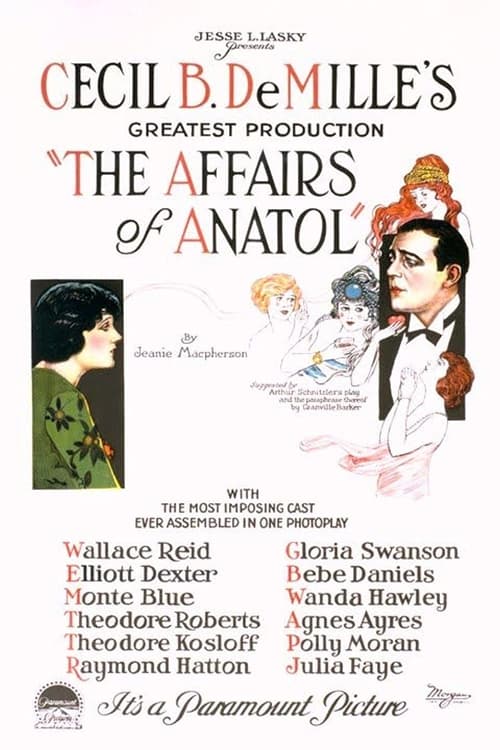
The Affairs of Anatol
1921
No user ratings available yet
Representation score: 2.7 out of 10
Representation Score
Minimal
1918
NRDirector
Cecil B. DeMille
Runtime
72 minutes
Average Rating
No ratings yetNew Showbiz Analysis
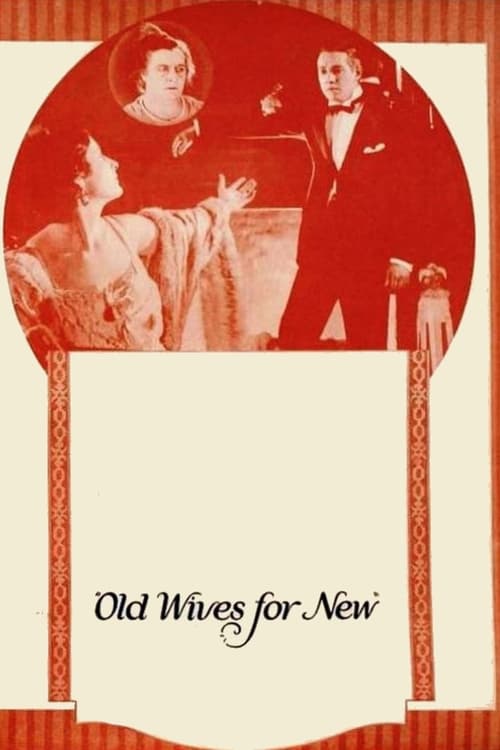
Old Wives for New serves as a social drama capturing the tension between traditional morality and modern individualist desires. It challenges the sanctity of the nuclear family by prioritizing personal desire over marital stability. However, the film lacks depth in representing diverse identities. The narrative relies on conventional gender clichés and a homogeneous cast, offering limited representation beyond the white, middle-class experience of the early 20th century.
Category Breakdown
The film focuses exclusively on heterosexual relationships. There is no evidence of same-sex intimacy or transgender identities.
The story deconstructs idealized Victorian domesticity by centering a man's decision to abandon his wife. However, the male protagonist retains control over the story, while the wife is portrayed through negative stereotypes.
The cast reflects the homogeneous, white, middle-to-upper-class demographics typical of the silent era. No non-Anglo-Saxon characters are present.
The narrative explores evolving views on marriage and divorce, framing individual happiness against marital duty. It introduces moral relativism through personal scandal rather than systemic critique.
There is no evidence of characters with visible or invisible disabilities being portrayed with real influence or within the narrative.
Present on Screen
Limited or Absent
Official Synopsis
Charles Murdock neglects his fat and lazy wife for another woman; When his other love interest becomes involved in a murder, he leaves for Paris.
1921
1927

1931
1938
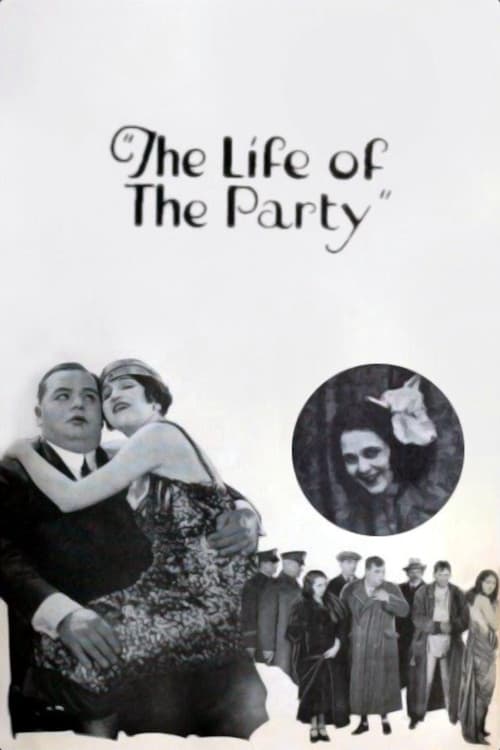
1920
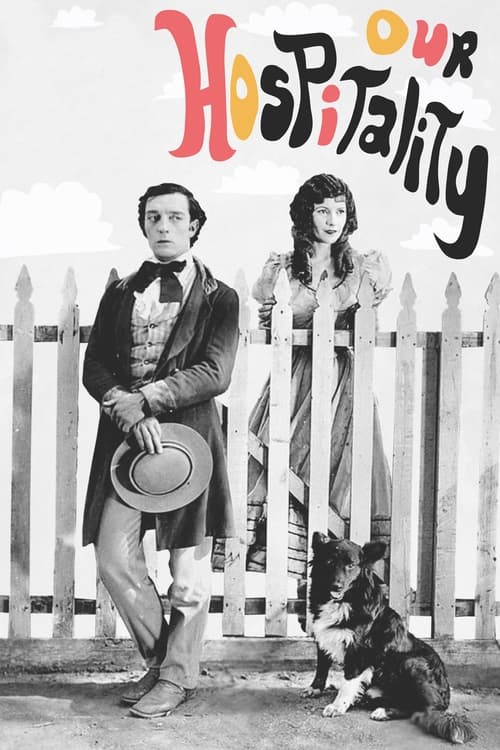
1923
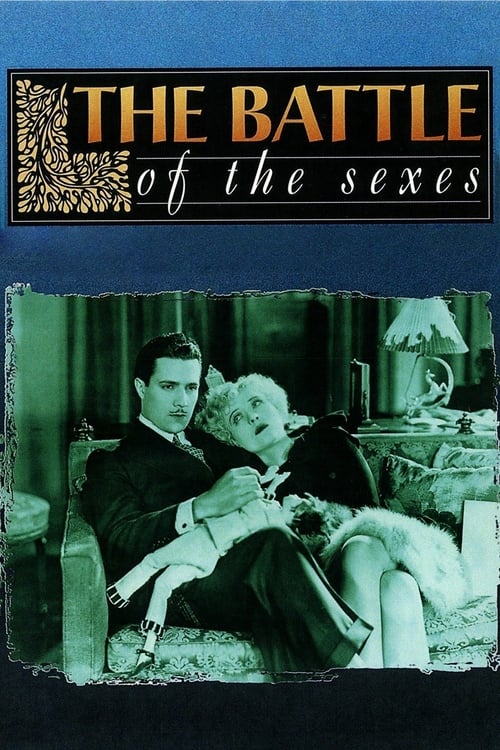
1928
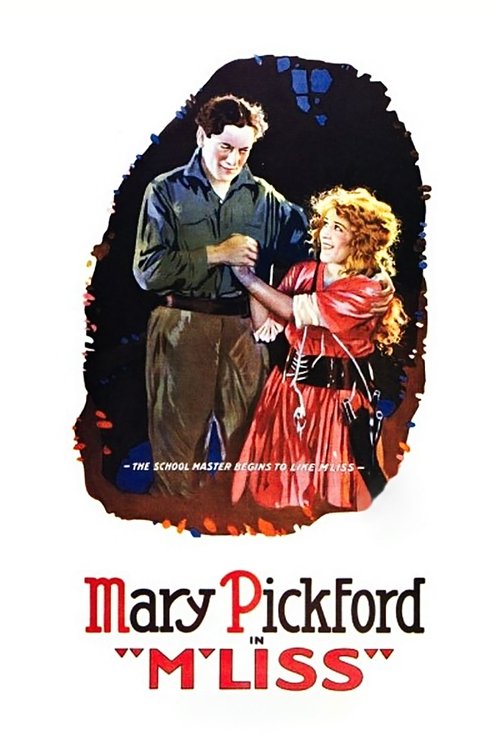
1918
No reviews yet. Be the first to share your thoughts on this movie!
Use the rating form above to leave a star rating and optional review.