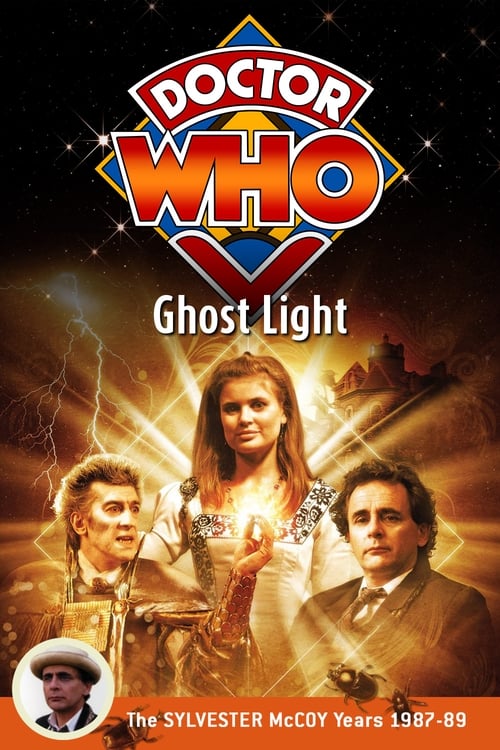
Doctor Who: Ghost Light
1989
No user ratings available yet
Representation score: 3.7 out of 10
Representation Score
Fair
1988
Director
Alan Wareing
Runtime
100 minutes
Average Rating
No ratings yetNew Showbiz Analysis
The production offers a moderate level of inclusion, most notably through the ability to act of its female lead, Ace. Her character breaks away from submissive archetypes, providing a progressive element for the era. However, the film is constrained by the social conventions of the late 1980s. Representation of race and ethnicity feels incidental, and the lack of LGBTQ+ or disability-focused narratives limits the depth of its social commentary. Ultimately, the story excels more in its thematic critique of systemic exploitation than in its intentional casting diversity.
Category Breakdown
The story lacks explicit depictions of same-sex intimacy or non-binary identities. Character dynamics remain centered on the assumption that everyone is straight or cisgender.
Ace provides meaningful representation as a companion with significant independence and ability to act. However, the broader circus ensemble adheres to traditional roles, with male leads driving the plot.
The Psychic Circus features a diverse ensemble with various ethnic identities. While these identities are present, they feel incidental to the plot rather than serving as central narrative drivers.
The narrative critiques the 'spectacle' as a mask for predatory structures. Depicting circus workers as a working-class group adds socioeconomic depth to the story.
There is a lack of visible or neurodivergent representation in the primary cast. Psychic elements serve as plot devices for antagonists rather than nuanced portrayals of lived disability.
Present on Screen
Limited or Absent
Official Synopsis
The Doctor and Ace head for the Psychic Circus on the planet Segonax, where they meet a disparate group of performers and visitors, including a self-centred explorer named Captain Cook, his companion Mags and a biker known as Nord.
1989
1996

1976
1981

1987
2014

1977

1973
No reviews yet. Be the first to share your thoughts on this movie!
Use the rating form above to leave a star rating and optional review.