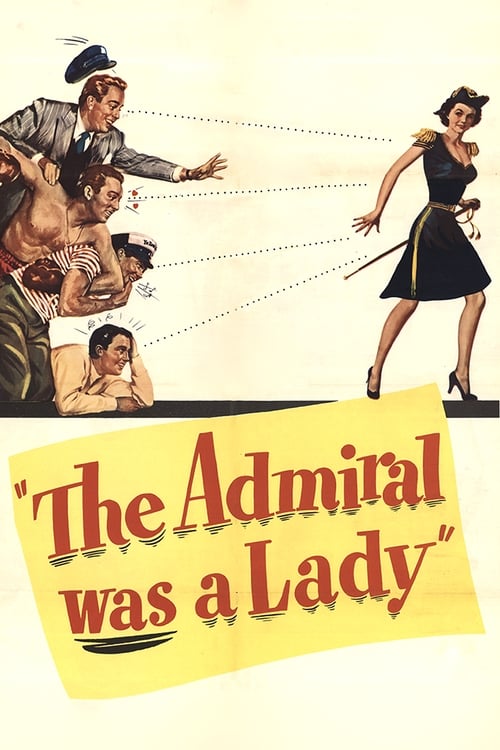
The Admiral Was a Lady
1950
No user ratings available yet
Representation score: 2.4 out of 10
Representation Score
Limited
1946
ApprovedDirector
Sidney Lanfield
Runtime
75 minutes
Average Rating
No ratings yetNew Showbiz Analysis
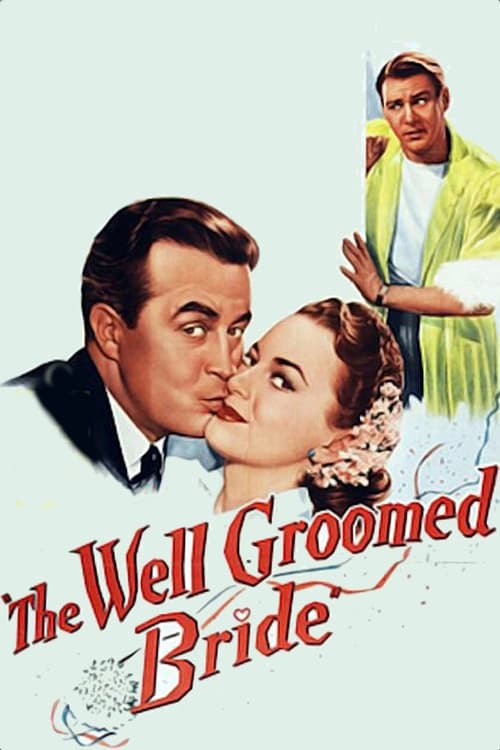
The Well Groomed Bride is a classic mid-century studio comedy that emphasizes traditional narrative structures. It operates within the social hierarchies of 1946, focusing on milestones like weddings and maritime traditions. The film offers minimal disruption to the status quo. Its reliance on the 'battle of the sexes' cliché and celebratory motifs suggests a production aimed at reinforcing, rather than challenging, the era's social norms. Ultimately, the work is a product of its time, marked by homogeneous casting and a focus on heterosexual romantic frameworks.
Category Breakdown
The film does not include any LGBTQ+ characters or narratives. The central conflict revolves around a romantic disagreement between a man and a woman, following traditional heterosexual norms.
The story uses the 'battle of the sexes' cliché. While the female lead takes an active role in pursuing the champagne, the plot stays within traditional gender roles.
The film features casting practices typical of the 1940s, depicting Western, white-centric social norms without diverse racial or ethnic representation.
Themes center around traditional Western institutions such as weddings and maritime ceremonies. The narrative upholds established social customs without critique.
The film does not feature any characters with visible or invisible disabilities.
Present on Screen
Limited or Absent
Official Synopsis
A man and a woman fight over the last bottle of champagne left in San Francisco--she wants it for a wedding, and he wants to use it to christen a ship.
1950
1938
1947
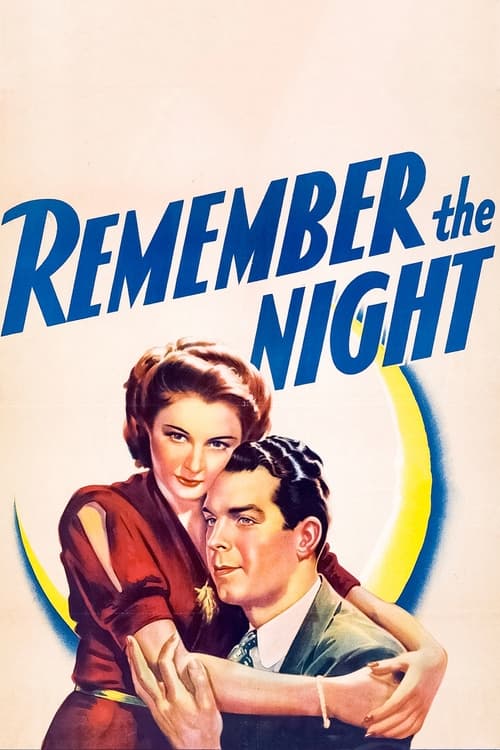
1940
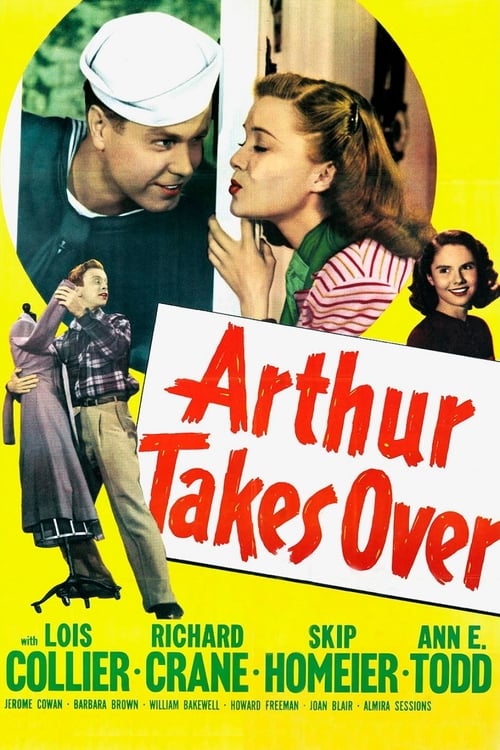
1948
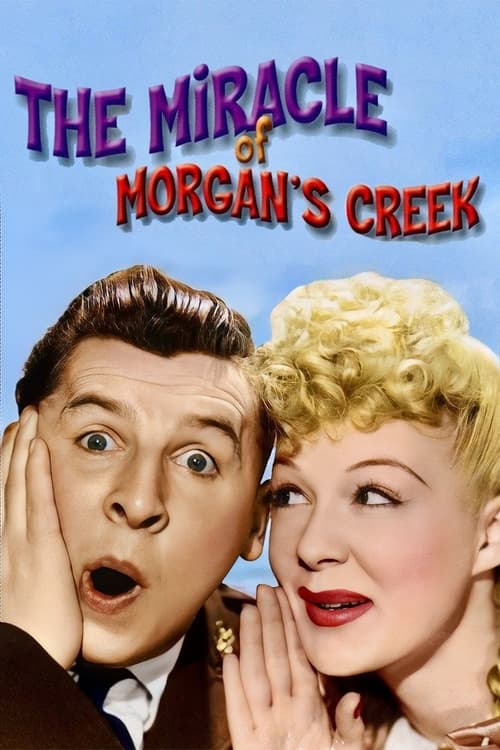
1944
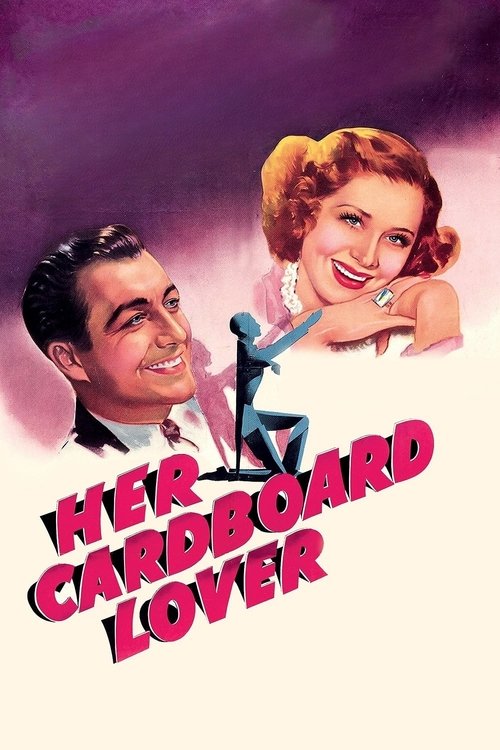
1942
1948
No reviews yet. Be the first to share your thoughts on this movie!
Use the rating form above to leave a star rating and optional review.