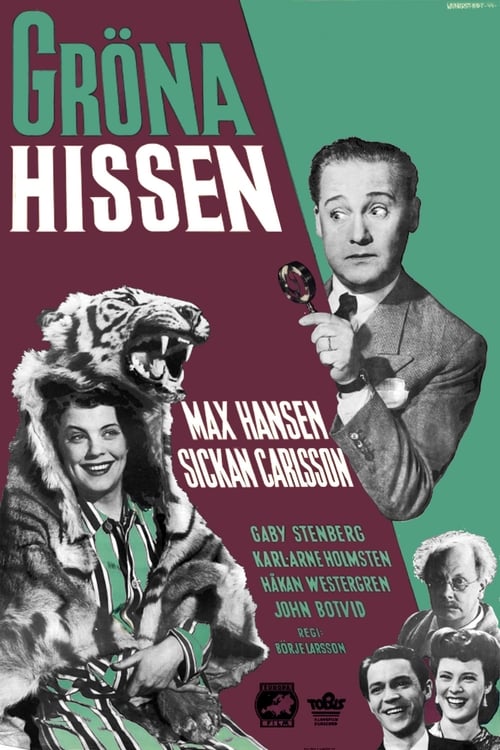
Gröna hissen
1944
No user ratings available yet
Representation score: 2.0 out of 10
Representation Score
Limited
1946
15Director
Gustaf Molander
Runtime
104 minutes
Average Rating
No ratings yetNew Showbiz Analysis
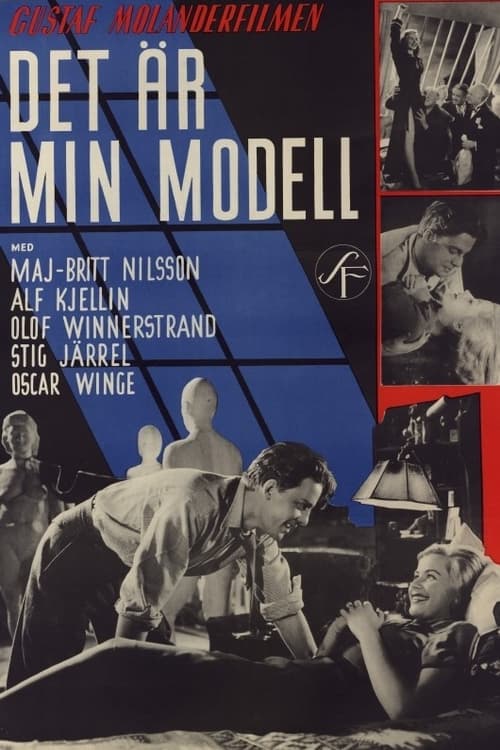
Affairs of a Model is a mid-century comedy that reflects the social and demographic constraints of its time. While it centers on a female protagonist, the narrative remains tied to traditional gender dynamics and the male perspective. The film offers a subtle critique of institutional power through its depiction of the Masonic Order. This provides a layer of social commentary on how secretive organizations can impact individual autonomy and artistic expression. Ultimately, the film lacks complexity in addressing multiple aspects of identity. It adheres to the conventional storytelling standards of 1946 European cinema, offering limited subversion of the period's social hierarchies.
Category Breakdown
The film does not depict non-binary or LGBTQ+ identities. It focuses on traditional gender roles and fraternal secrecy.
Dora serves as the main character, balancing her role as both a professional model and an object of male attention. Her actions are often influenced by the men around her.
The film reflects the demographic uniformity typical of 1940s Swedish cinema. There is no indication of racially diverse casting.
The story explores the tension between individual creativity and the secretive Masonic Order. It operates within the social norms of post-war Europe.
There is no documentation of characters with visible or invisible disabilities.
Present on Screen
Limited or Absent
Official Synopsis
Dora moves in with the artist Erik to become his model. Three men from a Masonic Order pretends to be interested in his art, but Dora is their real focus.
1944
1961

1932

2006
1934
1945
1940
1950
No reviews yet. Be the first to share your thoughts on this movie!
Use the rating form above to leave a star rating and optional review.