Cages
1967
No user ratings available yet
Representation score: 3.8 out of 10
No Poster Available
Representation Score
Good
1983
Director
Ferenc Cakó
Runtime
2 minutes
Average Rating
No ratings yetNew Showbiz Analysis
Ad Astra is a visually compelling animated parable that uses allegory to critique totalitarianism. It excels in intellectually diverse themes by challenging established power structures and the stifling nature of social conformity. However, the film's reliance on abstract symbolism limits its broad appeal. The focus on symbolic imagery means that specific representations of race, gender, and LGBTQ+ identities are largely absent from the narrative. Ultimately, the work is a thematic success in addressing systemic oppression, even though it lacks explicit character-based diversity.
Category Breakdown
The film uses metaphors to comment on societal issues rather than focusing on LGBTQ+ characters or intimate relationships.
The story focuses on an artist's struggle against societal pressures. Although the protagonist's gender is unspecified, the film challenges typical hero narratives by showing the individual as a victim of systemic forces.
The animation emphasizes symbolic abstraction over ethnic details. The uniform crowd serves as a tool for social commentary, minimizing individual racial identities.
The film provides a nuanced critique of totalitarian systems and institutional stability. It highlights individual ability to act and creative freedom against oppressive collective conformity.
Physical restriction symbolizes the paralysis of creativity. While the artist is shown as bound, this serves a symbolic purpose rather than a literal depiction of disability.
Present on Screen
Limited or Absent
Official Synopsis
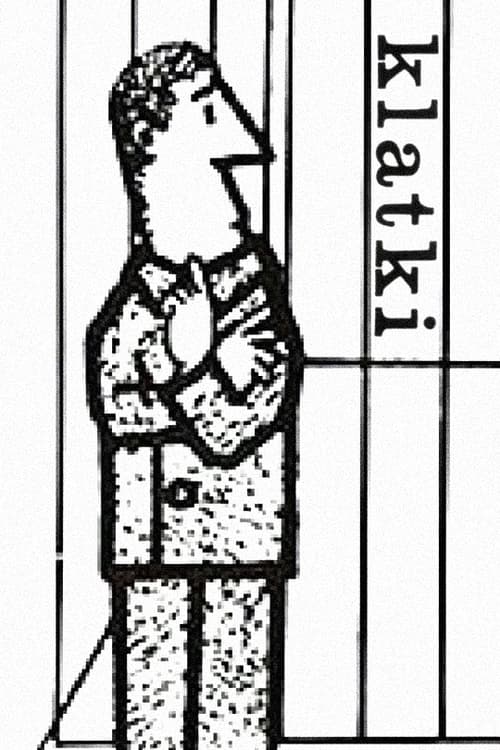
An impressive parable where the artist’s creativity is paralyzed by the dull crowd can be seen as a metaphor for a totalitarian system. Cleverly designed animation shows the artist as a tied man whose creativity is hindered by the crowd. A visually attractive film with very interesting editing won an award at the Annecy festival in 1983.
1967

1963
2001
1981
1982
1969
1965
1974
No reviews yet. Be the first to share your thoughts on this movie!
Use the rating form above to leave a star rating and optional review.