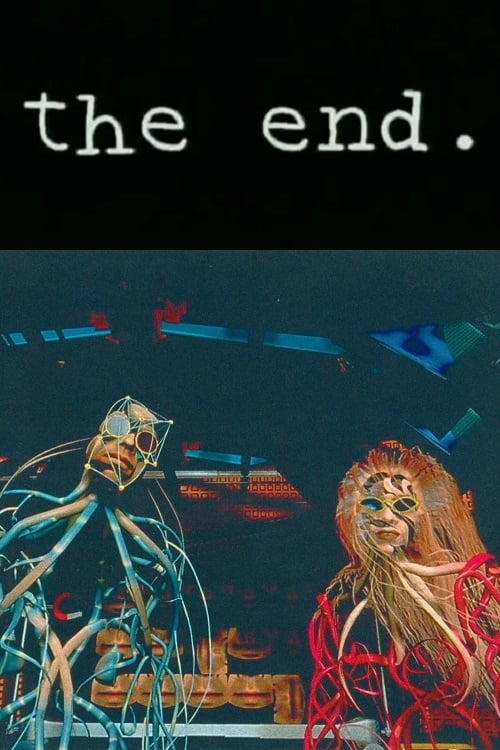
The End.
1995
No user ratings available yet
Representation score: 5.8 out of 10
No Poster Available
Representation Score
Excellent
2001
Director
Ferenc Cakó
Runtime
9 minutes
Average Rating
No ratings yetNew Showbiz Analysis
Ferenc Cakó’s animation uses the Genesis myth to explore the relationship between creator and creation. By focusing on the emotional intensity and autonomy of the animated figures, the film shifts from traditional theological narratives to a more subjective, psychological examination of human suffering. The film stands out in its cultural critique, using surreal imagery to challenge institutional power and religious certainty. It replaces dogmatic perfection with a complex, often chaotic, view of morality and existence. While the film does not include specific demographic representations, its strength lies in its thematic depth. It uses abstraction to address universal human struggles, making the lack of specific identities a stylistic choice rather than a narrative omission.
Category Breakdown
The film uses the Adam and Eve story but explores hidden attractions and unspoken desires among its characters. It goes beyond simple biological needs to show deeper psychological complexities.
Eve is not a passive character but the central figure in the emotional storyline. The film highlights her struggles and presents her as a key figure in exploring existential issues.
The film uses sand and stone textures to create an abstract setting without specific racial markers. This elemental approach avoids Western-centric casting by focusing on universal, non-humanoid forms.
The work criticizes strict institutions through depictions of faceless bureaucrats. It emphasizes secular, intellectual inquiry over dogma, presenting the Garden of Eden as a place of systemic chaos rather than lost perfection.
Characters are shown in petrified poses that symbolize psychological repression and stagnation. This abstract approach explores the struggle for control within the constraints of existence.
Present on Screen
Limited or Absent
Official Synopsis
An Artist violently grinds stones and uses the sand to create animated drawings. His first picture is the Garden of Eden. Once Eve becomes pregnant, all the tribulations of the real world are unleashed upon her. She follows through dream-like sequences populated with crying birds, brick-wall-faced bureaucrats and pensive philosophers in seemingly petrified poses. Irritated, repressed and allured by each other, the creatures on the screen start living a life of their own. Gradually, a dark climax builds up. Will the Artist himself be able to handle so much emotional intensity
1995

1973
2000
1967
1983
1987
2012
1998
No reviews yet. Be the first to share your thoughts on this movie!
Use the rating form above to leave a star rating and optional review.