Labyrinth
1963
No user ratings available yet
Diversity score: 4.2 out of 10

1967
Director
Mirosław Kijowicz
Runtime
7 minutes
Average Rating
No ratings yetSynopsis
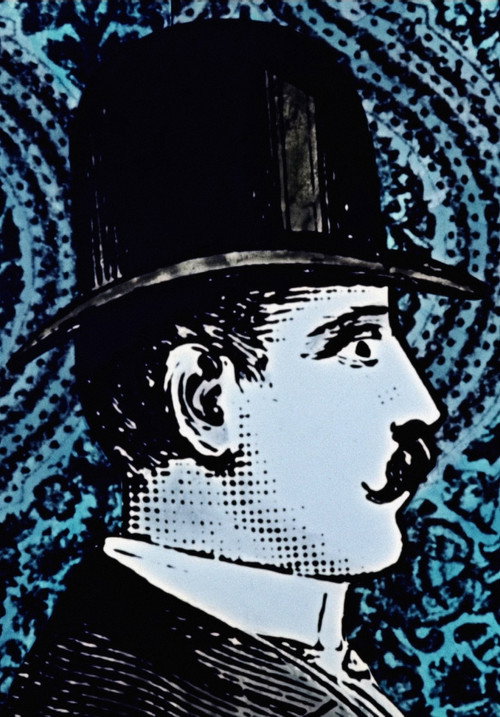
An allegory of the hopeless relationship between a prisoner and his jailer, representing the dependence of mankind upon authoritarianism.
Overall Score
Fair
Category Breakdown
LGBTQ+ Representation
The film offers no queer identities or non-cisnormative expressions. The narrative focuses entirely on the existential tension between the prisoner and the jailer.
Gender Representation
Representation is limited, focusing almost exclusively on a singular male figure. The film treats gender as largely irrelevant to its central, vacuum-like allegory.
Racial & Ethnic Diversity
The visual language prioritizes universalist existentialism over ethnic specificity. It avoids harmful stereotypes but lacks intentional representation of diverse identities.
Religious & Cultural Diversity
The film excels by critiquing traditional power structures and systemic oppression. It effectively deconstructs how societal frameworks can stifle individual agency.
Disability Representation
The narrative functions as a metaphor for psychological and sensory confinement. However, it lacks direct representation of characters with specific disabilities.
Strengths
Areas for Improvement
AI Analysis
Cages is a profound existentialist animation that uses minimalist aesthetics to critique authoritarianism. Its strength lies in its sophisticated deconstruction of systemic power and the psychological toll of confinement. By framing the relationship between prisoner and jailer as one of hopeless dependence, it challenges the legitimacy of authority. However, the film lacks demographic breadth. It operates within a narrow, universalist framework that ignores specific identities regarding gender, race, and sexuality. While these omissions serve the allegory, they result in low scores for identity-based representation. Ultimately, the work is an intellectual triumph of cultural critique rather than a diverse showcase of human identity. It prioritizes the human condition in a vacuum over the representation of specific social groups.
1963

1964
2003

1988
1981

1962

1975

1961

1990
1985
1979
1962
No reviews yet. Be the first to share your thoughts on this movie!
Use the rating form above to leave a star rating and optional review.