Prometheus
1992
No user ratings available yet
Representation score: 3.4 out of 10
Representation Score
Minimal
1982
Director
Ferenc Rófusz
Runtime
4 minutes
Average Rating
No ratings yetNew Showbiz Analysis
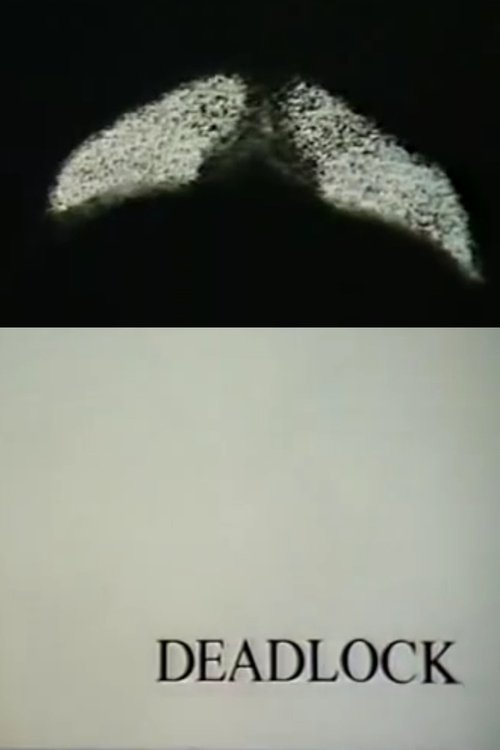
Deadlock is a non-narrative, experimental Hungarian animation that prioritizes metaphor and kinetic energy over conventional character arcs. Because the film relies on abstraction and texture rather than human physiognomy, it lacks the traditional demographic markers used to measure identity-based representation. While the film does not actively promote social hierarchies, its low score reflects a lack of diverse data points. It operates outside the realm of social realism, making it difficult to assess through the lens of gender, race, or orientation. Ultimately, the work functions as an exploration of form and existential tension. It disrupts cinematic norms through its structure rather than through the depiction of specific social or cultural identities.
Category Breakdown
The film does not include any characters with identifiable LGBTQ identities or interpersonal dynamics. As an abstract animation, there is no depiction of gender identity or sexual orientation.
The work does not feature human characters with defined gender roles. There is no presence of traditional masculine or feminine archetypes to analyze.
The visual vocabulary is rooted in abstraction rather than human physiognomy. Consequently, there is no depiction of race, ethnicity, or racialized power dynamics.
The film challenges classical storytelling by prioritizing subjective, non-linear experiences. It critiques structured reality through existential tension and the breakdown of systems.
There are no characters portrayed with physical, sensory, or neurodivergent disabilities. The focus remains on movement and form rather than lived experience.
Present on Screen
Limited or Absent
Official Synopsis
1983 Cannes Film Festival
1992
1984
1984

1984
1964
1958
1980
1982
No reviews yet. Be the first to share your thoughts on this movie!
Use the rating form above to leave a star rating and optional review.