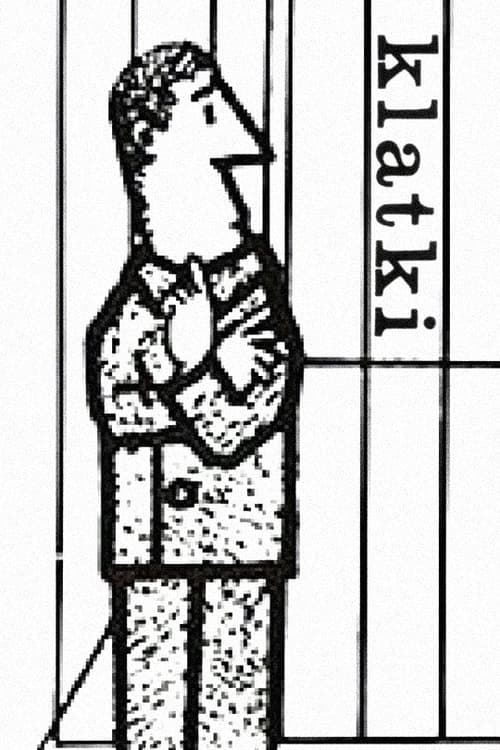
Cages
1967
No user ratings available yet
Representation score: 3.8 out of 10

Representation Score
Limited
1963
Director
Jan Lenica
Runtime
15 minutes
Average Rating
No ratings yetNew Showbiz Analysis
Jan Lenica’s *Labyrinth* prioritizes philosophical and systemic critique over demographic representation. Its highly stylized, non-humanoid aesthetic means traditional metrics of identity are replaced by symbolic explorations of power. The film succeeds as a profound critique of totalitarianism, using a Kafkaesque lens to portray the individual's struggle against a predatory, labyrinthine system. It effectively deconstructs the perceived stability of institutional authority. However, the abstract nature of the animation results in low scores for traditional diversity categories. The lack of explicit characterization means themes of race, gender, and disability remain subtextual rather than direct.
Category Breakdown
The film's use of abstract, non-humanoid figures prevents the depiction of gender identity or sexual orientation. There are no queer narratives or characters with diverse gender identities.
Stylized characters prevent direct engagement with traditional gender hierarchies. While the film avoids reinforcing patriarchal roles by removing biological markers, it does not actively challenge gendered power dynamics.
The surrealist framework uses silhouettes and abstract shapes to avoid racial categorization. This avoids stereotypes but does not intentionally address multi-layered casting or race as a narrative element.
The film excels in its critique of institutional power and totalitarian rule. It prioritizes existentialism and moral relativism over singular religious or moral frameworks, highlighting human disorientation.
No specific disabilities are depicted. However, the protagonist's loss of control and sensory overwhelm serve as a metaphor for psychological vulnerability and neurodivergent struggles.
Present on Screen
Limited or Absent
Official Synopsis
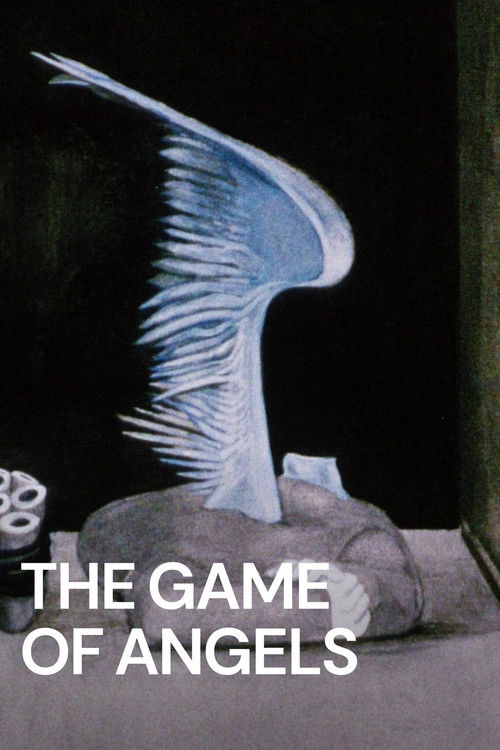
A self-consciously Kafkaesque tale of a winged lonely man literally devoured by totalitarian rule.
1967
1988
1965

1973
1958

1957
1983
1967
No reviews yet. Be the first to share your thoughts on this movie!
Use the rating form above to leave a star rating and optional review.