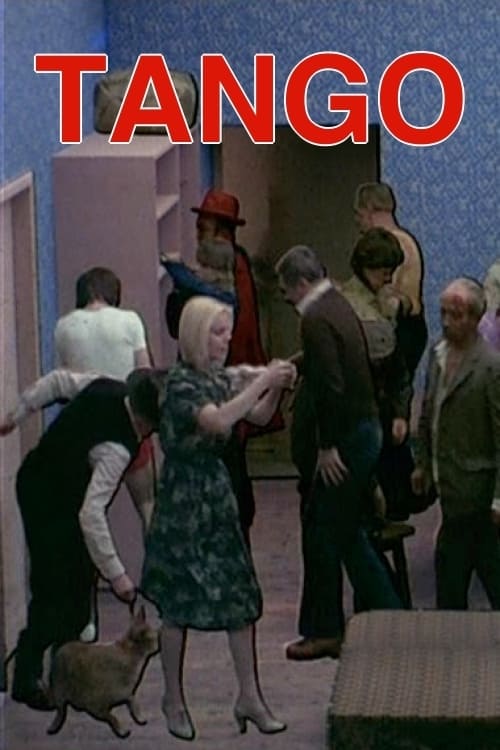
Tango
1985
No user ratings available yet
Representation score: 5.2 out of 10
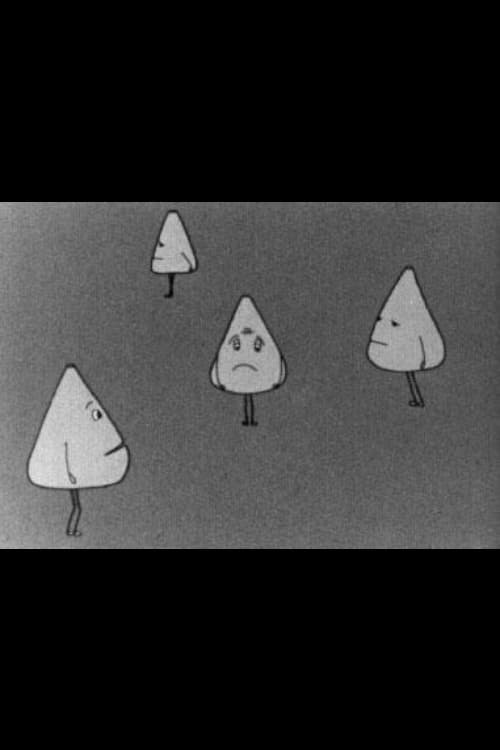
Representation Score
Fair
1974
Director
Anastasia Michailidis
Runtime
3 minutes
Average Rating
No ratings yetNew Showbiz Analysis
Anastasia Michailidis's 1974 animation is a social critique that prioritizes systemic analysis over character-driven drama. It uses visual symbols to examine how individuals become trapped in social and economic compartments. The film excels at cultural commentary, challenging the efficiency of modern institutions and the loss of genuine human connection. Its wordless format allows for a universalized view of the human condition. However, the lack of specific character details limits visibility for many demographic groups. While the themes are progressive, the film lacks explicit representation of LGBTQ+ identities or disability.
Category Breakdown
The film uses wordless sketches to explore the breakdown of human connections. There is no direct mention of LGBTQ+ identities or same-sex relationships.
The film critiques social conformity and the suspicion of individual differences. While it likely disrupts traditional gender roles through symbolic sketches, there are no specific character studies focusing on gender.
The non-verbal, sketch-based format helps to universalize the human condition. This approach avoids specific ethnic markers and focuses on systemic human behaviors.
The narrative offers a deep critique of capitalist structures and the commodification of interactions. It highlights the paradox of modern existence and the oppression of social standardization.
The film does not provide any specific details regarding characters with visible or invisible disabilities.
Present on Screen
Limited or Absent
Official Synopsis
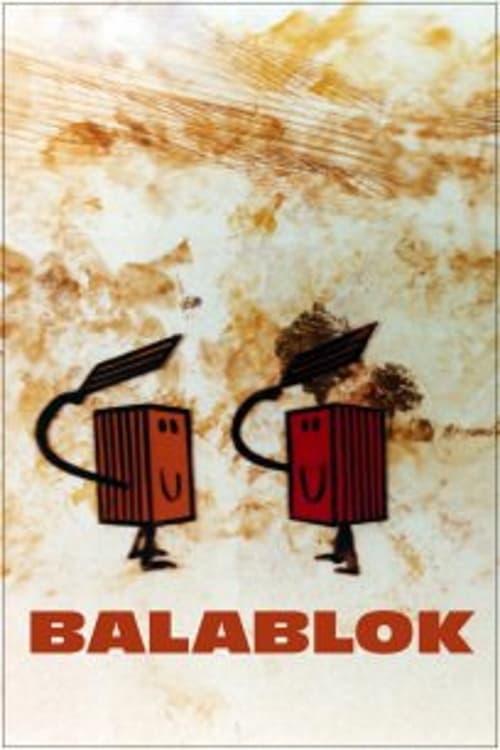
In a world where communication has grown into big business, the lack of it between individuals is almost a paradox. We live in tight little compartments that are not easily penetrated. Individual differences are regarded with suspicion or scorn. This animated film parodies the human condition in a few quick, colourful sketches, amusingly, without words, yet leaving food for thought.
1985

2016
1966
2013

1957
1983
1973
1970
No reviews yet. Be the first to share your thoughts on this movie!
Use the rating form above to leave a star rating and optional review.