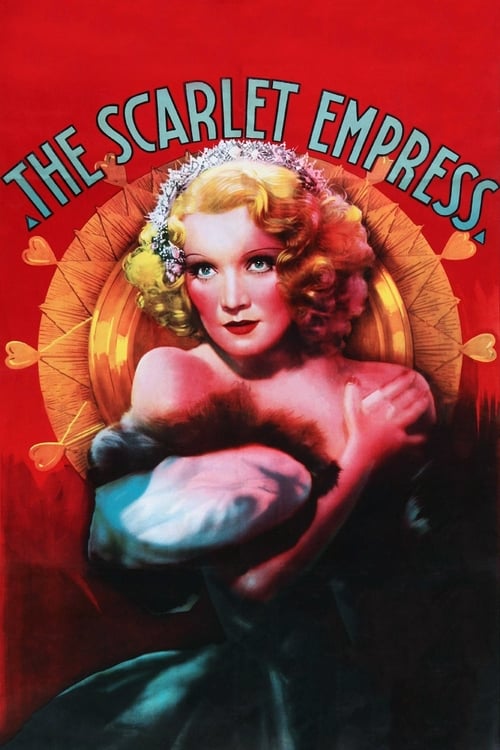
The Scarlet Empress
1934
No user ratings available yet
Representation score: 4.2 out of 10

Representation Score
Fair
1934
ApprovedDirector
Rouben Mamoulian
Runtime
99 minutes
Average Rating
No ratings yetNew Showbiz Analysis
Queen Christina is a progressive look at female leadership. By focusing on a woman's resistance to marriage and motherhood, the film challenges the submissive portrayals of women common in the era. However, the film is constrained by the social and racial uniformity of its time. The narrative stays within a European aristocratic context, lacking ethnic or racial diversity. Overall, the film explores the tension between personal ability to act and institutional pressures. It disrupts traditional gender roles while remaining confined by the demographic limitations of its period.
Category Breakdown
The film follows the heterosexual and cisgender norms of the 1930s. There is no explicit portrayal of same-sex relationships or non-binary gender identities.
Queen Christina is a powerful and influential character. The story challenges traditional gender roles by emphasizing her personal freedom over the typical expectations of being a wife and mother.
The cast is made up of mostly white actors representing European nobility. The film does not include characters from diverse racial or ethnic backgrounds within the 17th-century Swedish court setting.
The story examines the conflict between official duties and personal beliefs. It presents a nuanced perspective on power by respecting the protagonist's individual moral stance.
The film does not feature characters with disabilities as key plot points.
Present on Screen
Limited or Absent
Official Synopsis
Popular monarch Queen Christina of Sweden must choose between love and loyalty to her nation when she unexpectedly falls for a Spanish envoy.
1934

1923
1997

1935
1963
1969

1970

1951
No reviews yet. Be the first to share your thoughts on this movie!
Use the rating form above to leave a star rating and optional review.