The Loves of Pharaoh
1922
No user ratings available yet
Representation score: 1.1 out of 10
Representation Score
Minimal
1934
NRDirector
Cecil B. DeMille
Runtime
100 minutes
Average Rating
No ratings yetNew Showbiz Analysis
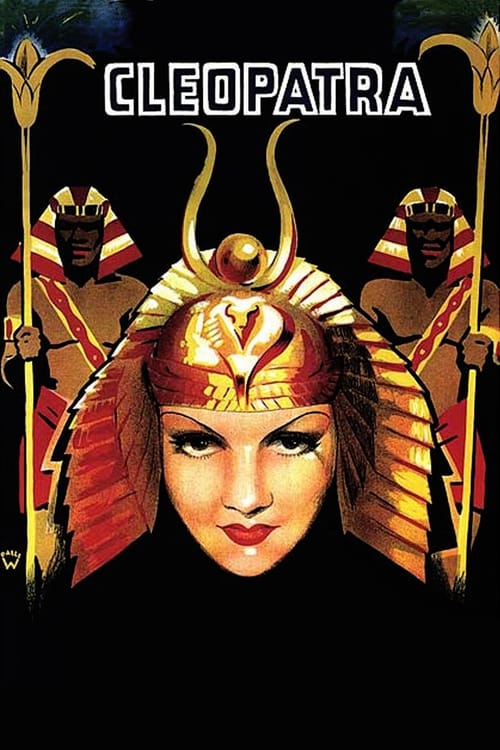
DeMille's epic highlights a powerful, politically active female lead who demonstrates significant influence and intellect. However, the film's strengths are undermined by its lack of racial authenticity. Using a predominantly white cast to portray Egyptians and Romans results in a Westernized, stylized interpretation of the setting. Ultimately, the film upholds traditional Western-centric power structures and lacks depth in representing diverse identities.
Category Breakdown
The film does not include any characters with LGBTQ+ identities or same-sex relationships. All romantic storylines center around heterosexual couples.
Cleopatra is shown as having significant influence and intelligence, challenging the typical portrayal of submissive women. She uses her autonomy to navigate the male-dominated political world.
A predominantly white cast portrays North African and Mediterranean figures, diverging from historical ethnic realities. The film presents a stylized, Westernized version of Egypt through an Orientalist lens.
The narrative emphasizes state authority and imperial stability without offering a critical view of power structures. Political actions are framed through the lens of greatness rather than systemic critique.
There are no characters with visible or invisible disabilities used as central plot devices or subjects of ridicule.
Present on Screen
Limited or Absent
Official Synopsis
The queen of Egypt barges the Nile and flirts with Mark Antony and Julius Caesar.
1922
1935
1912
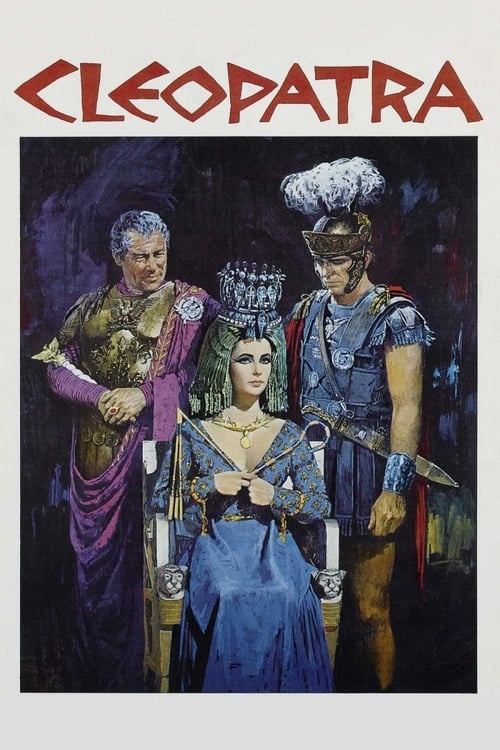
1963
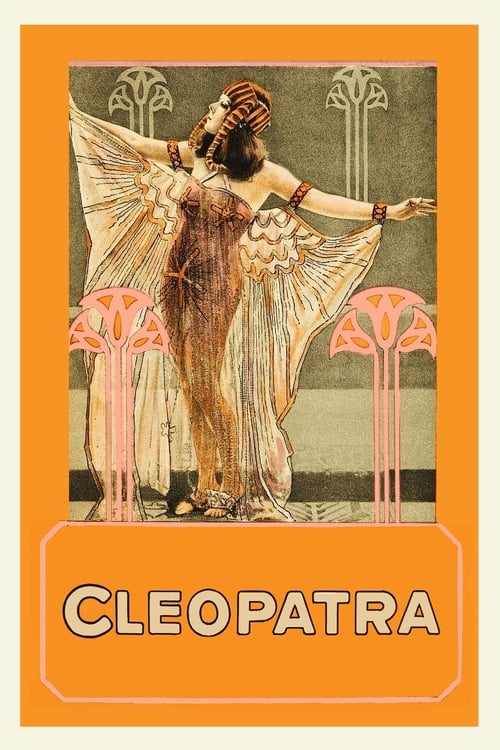
1917
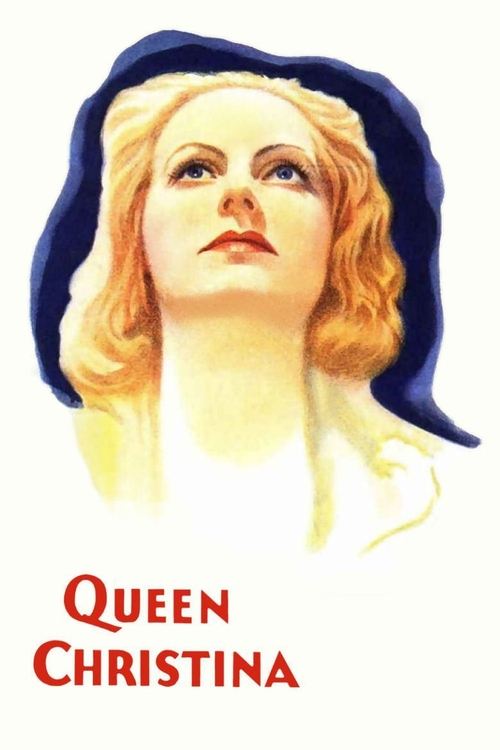
1934

1937
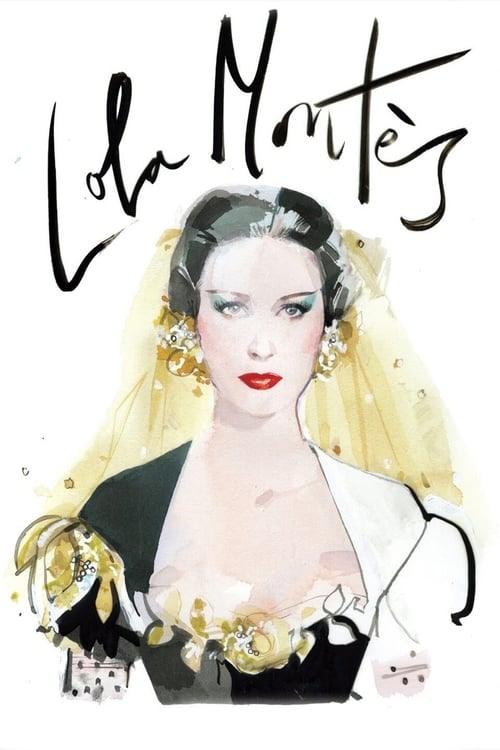
1955
No reviews yet. Be the first to share your thoughts on this movie!
Use the rating form above to leave a star rating and optional review.