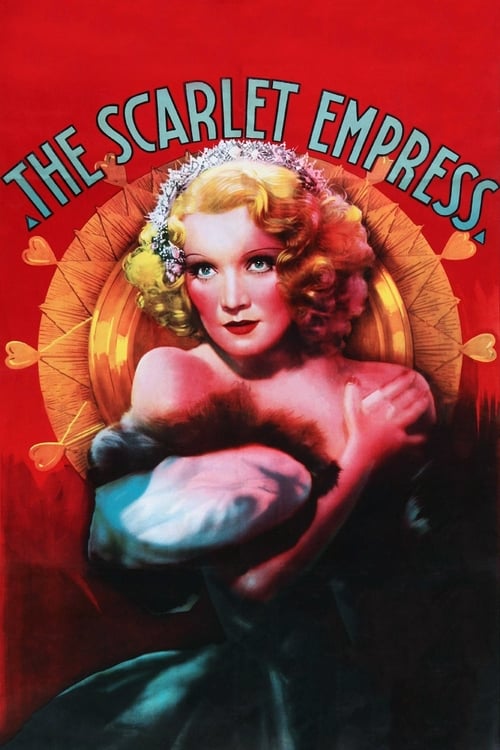
The Scarlet Empress
1934
No user ratings available yet
Representation score: 4.2 out of 10
Representation Score
Limited
1956
NRDirector
Anatole Litvak
Runtime
105 minutes
Average Rating
No ratings yetNew Showbiz Analysis
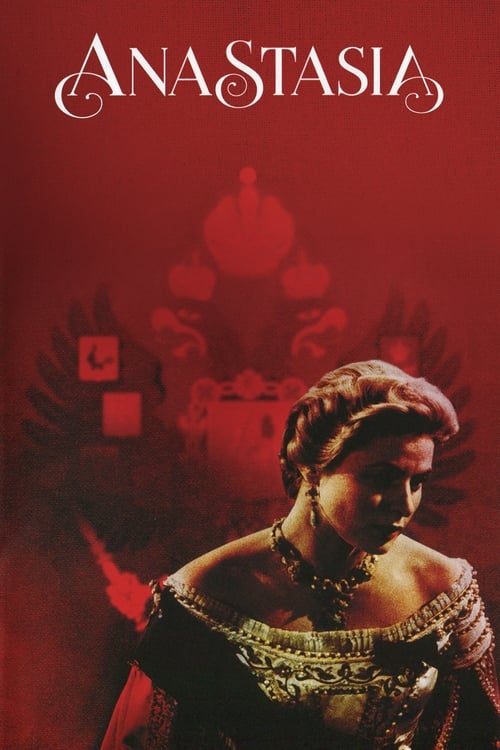
Anastasia is a classical historical drama that prioritizes traditional narrative arcs and European aristocratic themes. It succeeds in providing a complex, ability to act-driven role for its female lead, which elevates the gender representation score above the film's low average. However, the film lacks multi-layered breadth. The cast is overwhelmingly homogeneous, focusing on white European nobility, and the narrative architecture is strictly straight-centered. It functions as a study of personal loss rather than a deconstruction of systemic power. Ultimately, the film's focus on the psychological consequences of historical shifts for a specific class prevents it from achieving a higher progressive score.
Category Breakdown
The film follows a strictly straight-centered structure, focusing on traditional romantic tension between the protagonist and her male companion, with no representation of non-cisgender identities.
The protagonist plays a significant role in driving the story as she navigates her loss of status and memory. However, the story remains anchored to a conventional romantic relationship with a male lead.
The setting focuses on a homogeneous cast of displaced white European nobility. The narrative lacks diverse ethnic perspectives or race-bent casting within its aristocratic framework.
The story explores the collapse of the Tsarist autocracy and the trauma of displacement. It prioritizes personal psychological impact over systemic ideological critiques of political institutions.
Amnesia and psychological trauma drive the central plot. While providing a character study, the portrayal leans into the 'lost identity' cliché common in classical melodrama.
Present on Screen
Limited or Absent
Official Synopsis
Russian exiles in Paris plot to collect ten million pounds from the Bank of England by grooming a destitute, suicidal girl to pose as heir to the Russian throne. While Bounin is coaching her, he comes to believe that she is really Anastasia. In the end, the Empress must decide her claim.
1934

1934
1963
1969
2000

1958

2014
1922
No reviews yet. Be the first to share your thoughts on this movie!
Use the rating form above to leave a star rating and optional review.