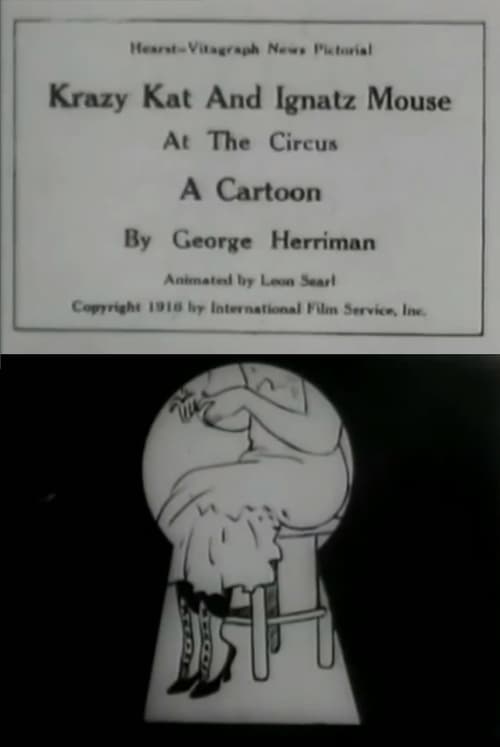
Krazy Kat and Ignatz Mouse at the Circus
1916
No user ratings available yet
Representation score: 3.3 out of 10
Representation Score
Limited
1926
Director
William Nolan
Runtime
6 minutes
Average Rating
No ratings yetNew Showbiz Analysis
Scents and Nonsense is a product of the 1920s silent animation era, focusing on physical comedy rather than identity-driven stories. The plot centers on a dance contest involving a bear, a skunk, and Krazy, suggesting reliance on animal-based humor rather than diverse human representation. The film adheres to the conventional social hierarchies and homogeneous character designs typical of its time. It lacks any focus on LGBTQ+ identities, racial diversity, or disability representation. Ultimately, the work serves as a standard comedic short that avoids complex social critiques or disruptions of established norms.
Category Breakdown
The film does not include non-straight relationships or identities. It follows traditional comedy structures common in 1920s animation.
The story revolves around a dance contest and animal interactions using standard slapstick humor. It does not challenge the strict gender roles of the 1920s.
The characters do not show a diverse range of backgrounds. The film likely reflects the era's homogeneous character design.
The presence of a pawnbroker introduces economic themes but likely upholds traditional social orders. There is no indication of secularism or anti-Western sentiment.
The synopsis does not mention any characters with visible or invisible disabilities.
Present on Screen
Limited or Absent
Official Synopsis
It's a fairly straightforward piece in which Krazy gets involved with a dance contest, a bear, a skunk and a pawnbroker.
1916
1926
1932
1921
1933
1931
1922
1924
No reviews yet. Be the first to share your thoughts on this movie!
Use the rating form above to leave a star rating and optional review.