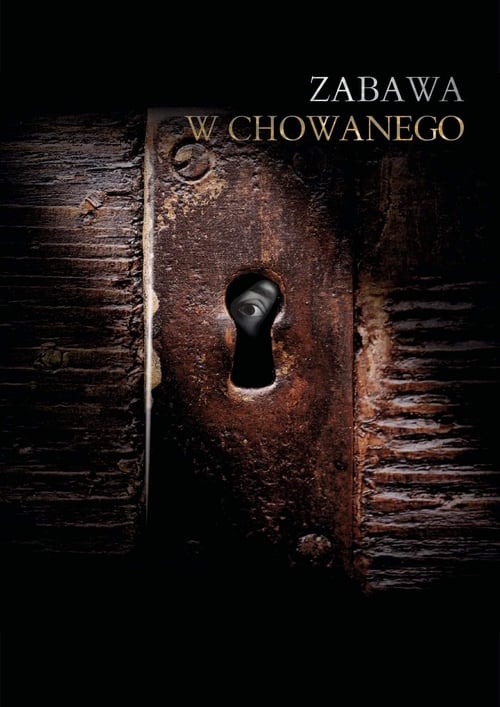
Playing Hide and Seek
2020
No user ratings available yet
Representation score: 7.0 out of 10
Representation Score
Excellent
2019
Director
Tomasz Sekielski
Runtime
121 minutes
Average Rating
No ratings yetNew Showbiz Analysis
Tomasz Sekielski’s documentary is a powerful tool for deconstructing institutional power structures. It challenges traditional religious authority and dismantles patriarchal power dynamics through a lens of systemic accountability. The film offers a deep, unvarnished exploration of psychological trauma and mental health, shifting the narrative from religious sanctity to individual ability to act. However, its focus on Polish history limits its engagement with racial and ethnic diversity and secondary attention to LGBTQ+ themes.
Category Breakdown
While the film doesn't focus on LGBTQ identities, it challenges the Church's moral authority, creating space for non-traditional identities.
The documentary exposes the failures of male-dominated clergy, subverting patriarchal hierarchies by centering survivor voices against a backdrop of failed masculine authority.
The cast is largely homogeneous, focusing on Polish institutional history without engaging with racial or ethnic diversity.
The film critiques the Catholic Church as an oppressive entity, challenging traditional Christian morality by exposing the clergy's situational ethics.
The narrative explores psychological trauma and mental health, treating survivors' emotional impacts with ability to act rather than using them for inspiration.
Present on Screen
Limited or Absent
Official Synopsis
Documentary film about sexual abuse in the Catholic Church in Poland.
2020

2006
2011

2019
2019
2012

2012
2012
No reviews yet. Be the first to share your thoughts on this movie!
Use the rating form above to leave a star rating and optional review.